
Last updated November 15, 2026
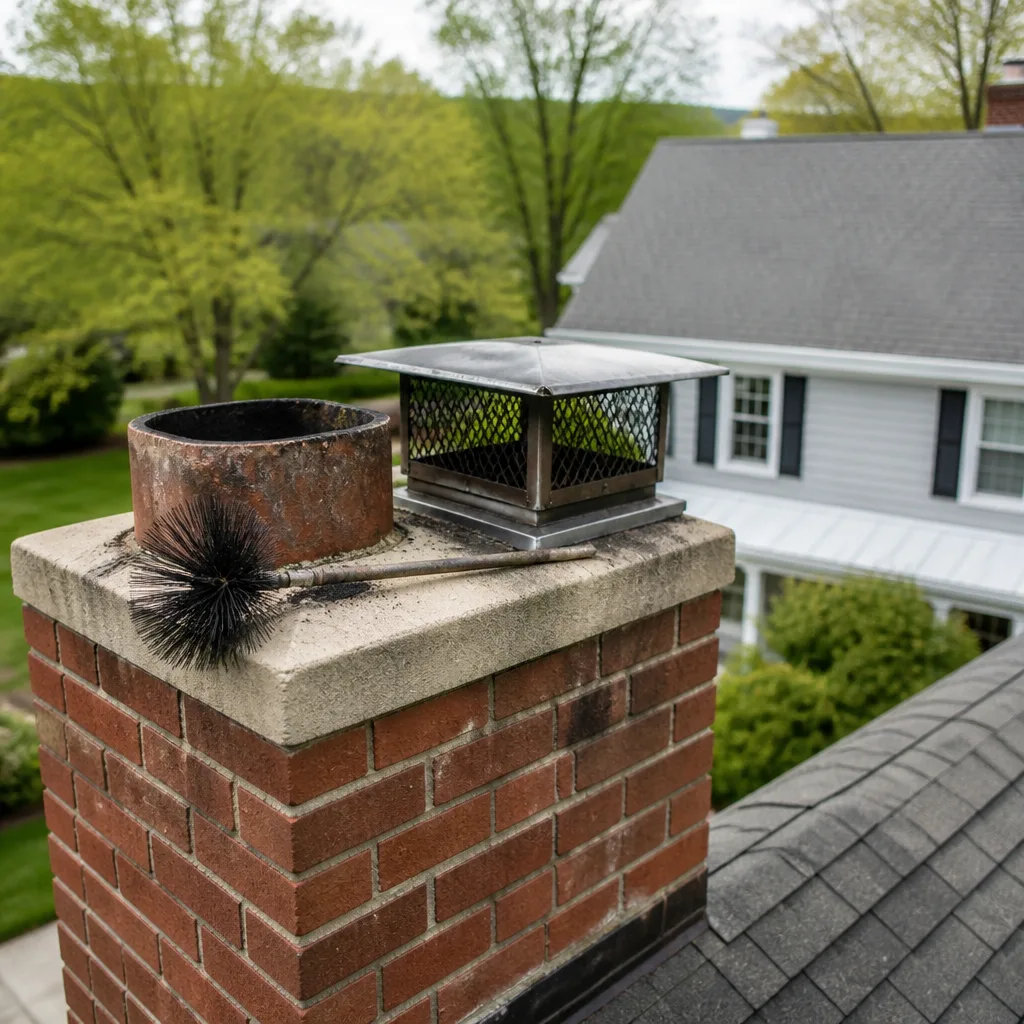 Sweep & inspection
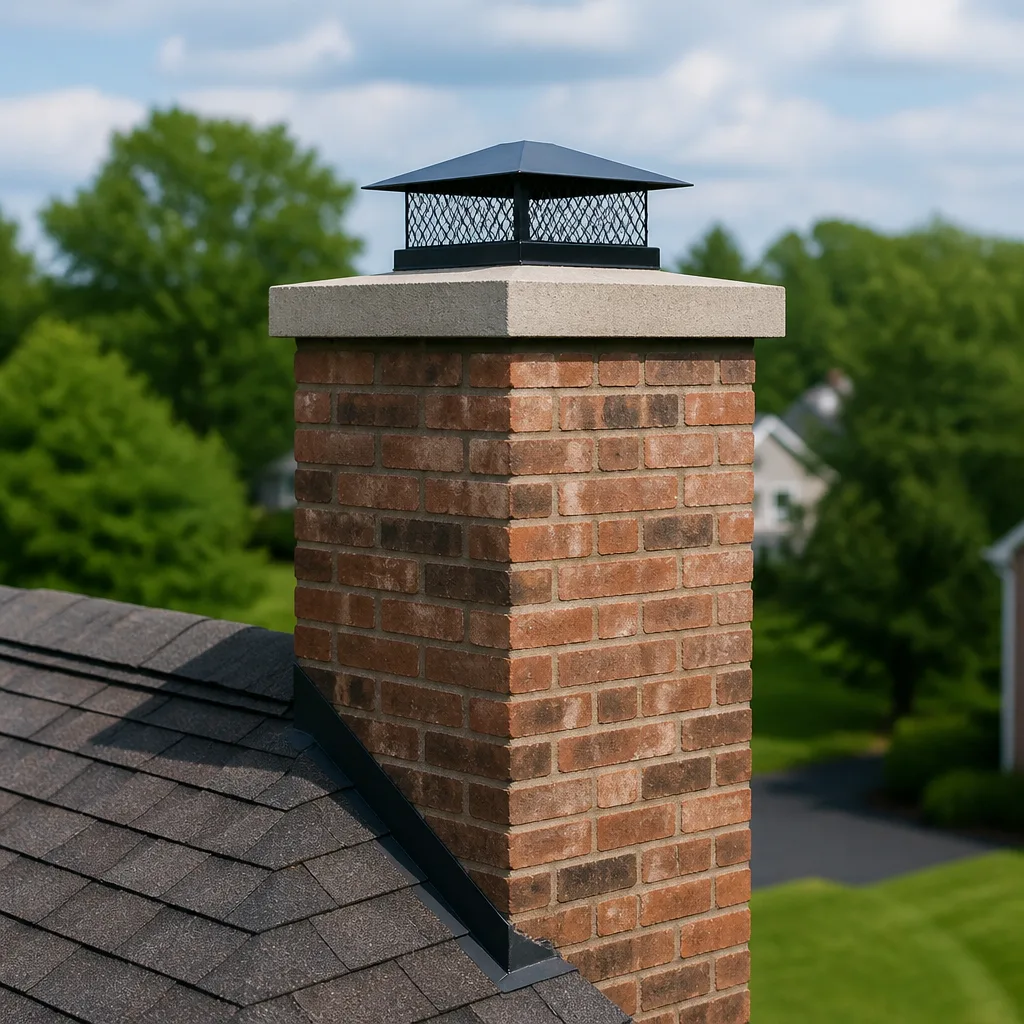 Caps & crowns
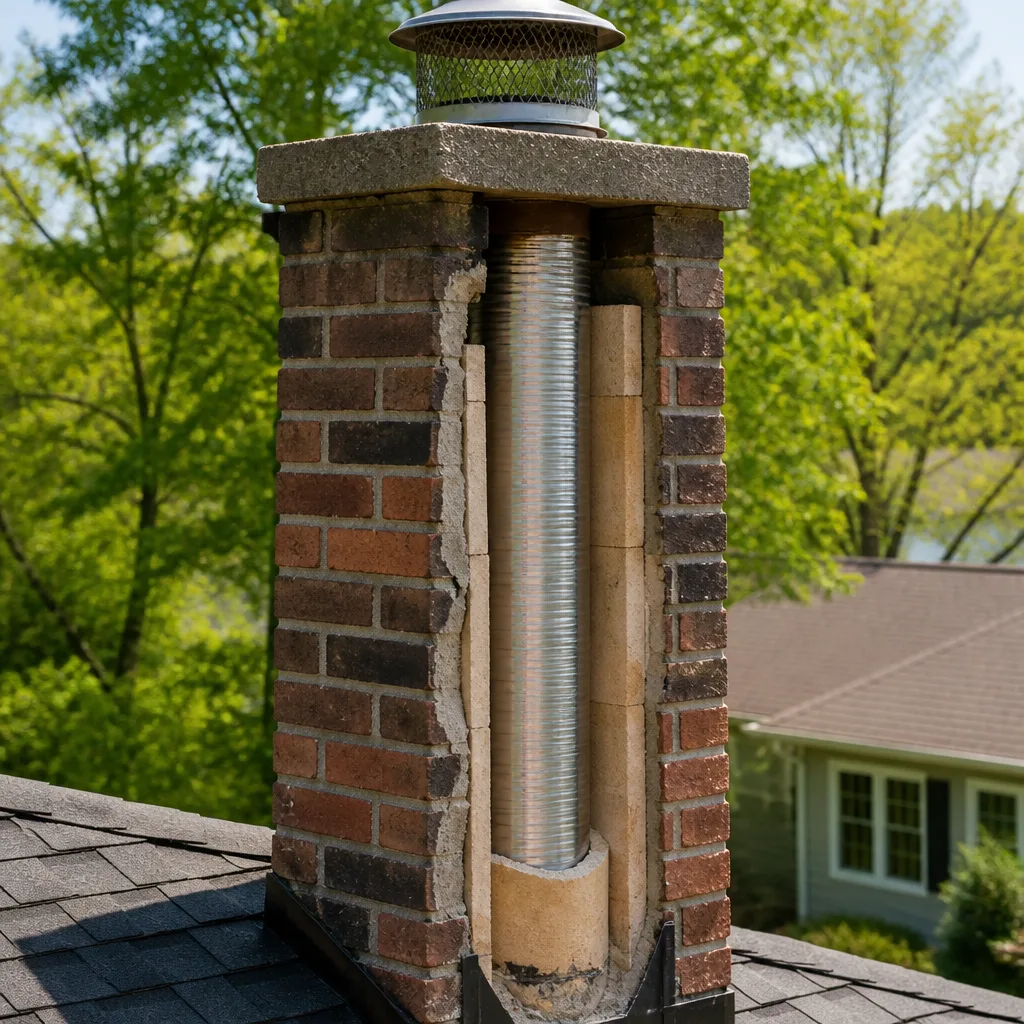 Flue relining
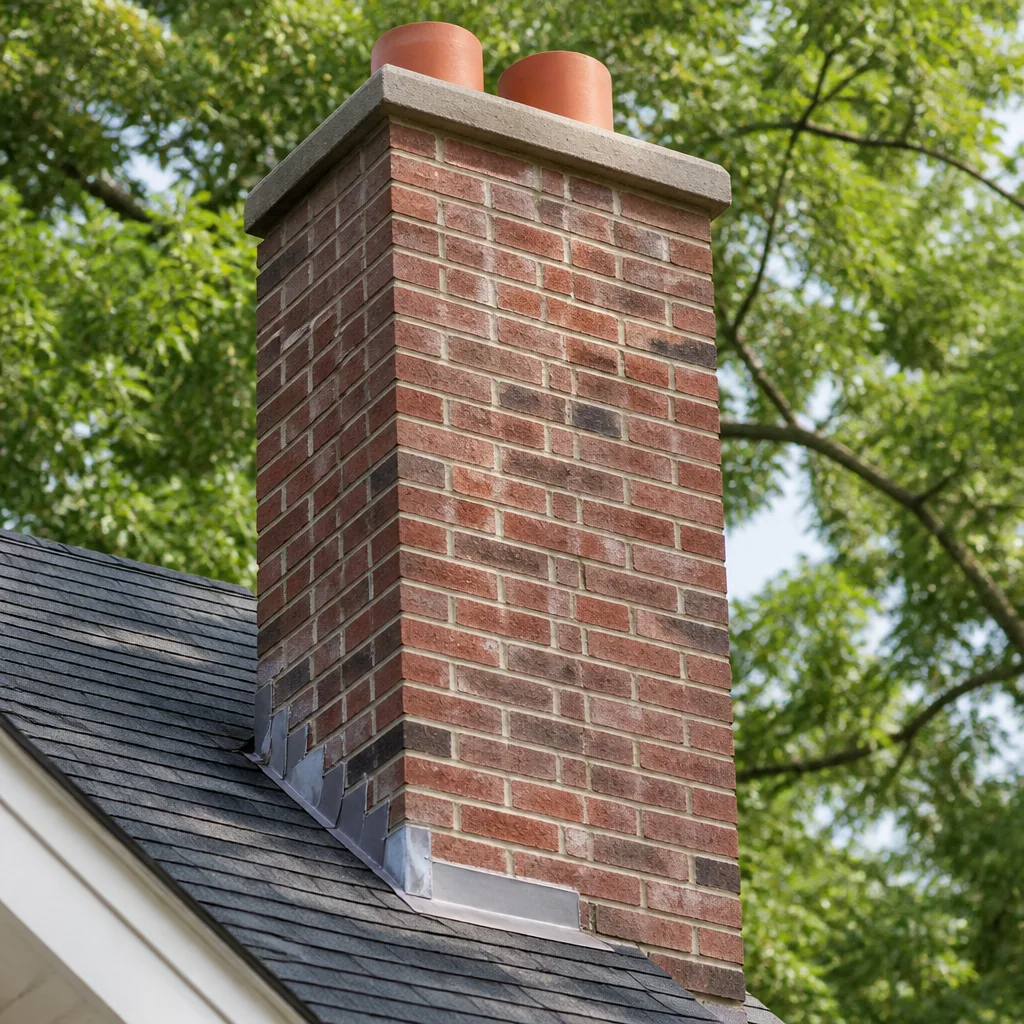 Masonry repair
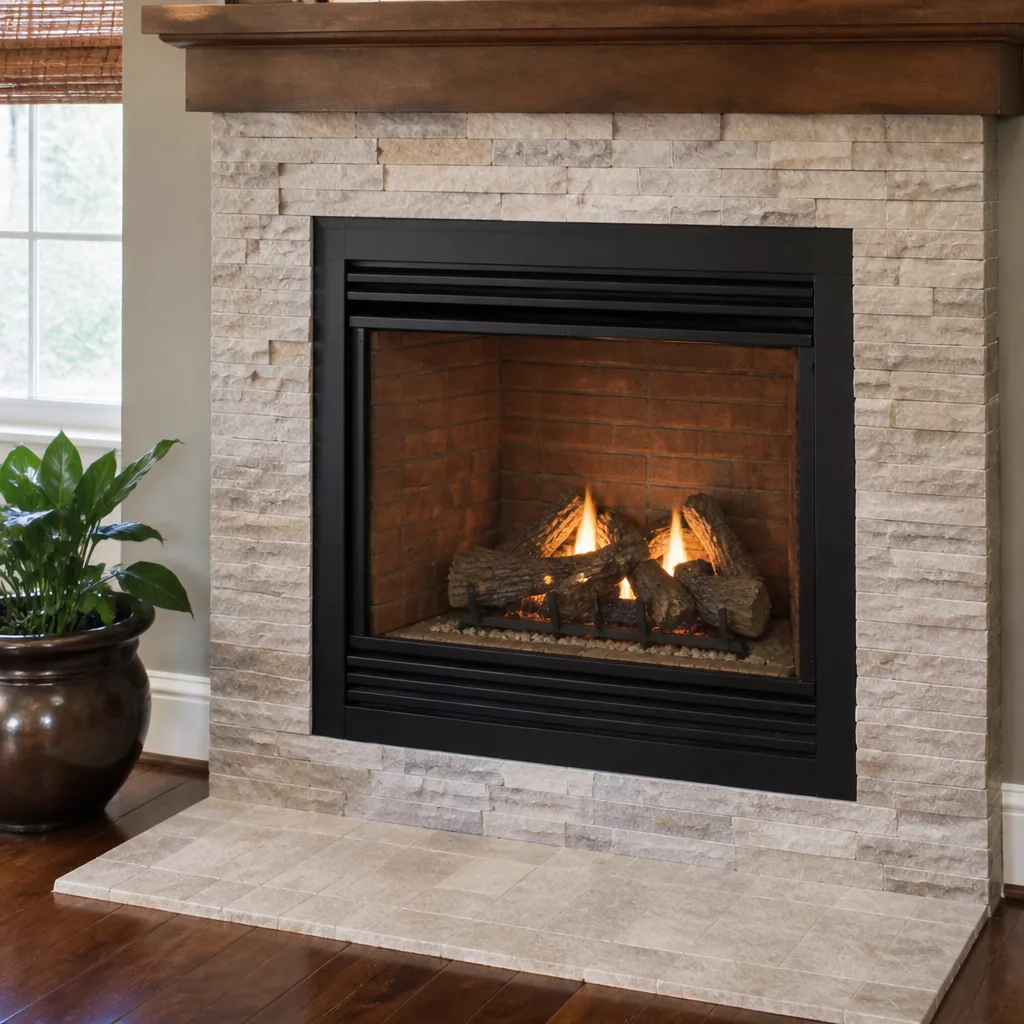 Gas fireplace service
Level 1 sweep and inspection to the NFPA 211 annual standard - flue, crown, cap, and flashing checked and photographed
Chimney sweep logs do not sweep chimneys. They loosen some creosote - which then falls where a brush and vacuum still have to collect it.
The Complete Guide to Chimney Cleaning in Kent
Most homeowners think a chimney problem announces itself. In Kent, it rarely does. The Pacific Northwest doesn’t punish a neglected flue with a dramatic, dry-climate chimney fire; it punishes it slowly, with moisture that works into soot and creosote for months before anyone notices a thing. Kent averages more than 150 days of measurable precipitation every year, and each one of those wet days pushes damp air into a flue that hasn’t been swept, hardening deposits in a way a dry climate never produces. This guide walks through what actually happens during a professional cleaning in Kent, how our rainfall changes the creosote timeline, how masonry and factory-built fireplaces get cleaned differently, and how to verify the work was really done.
Quick Answer
A professional chimney cleaning in Kent removes soot, creosote, and debris from the flue, firebox, and smoke chamber, then finishes with a Level 1 inspection to confirm the chimney is structurally sound and safe to use. Most homes burning wood regularly need a sweep once a year, and Kent’s wet climate makes that annual schedule more important than it is in drier parts of the country. The job usually takes 45 minutes to an hour and a half depending on the fireplace type and how much buildup has accumulated.
Styles & brands we work with
- Sweep & inspection
- Caps & crowns
- Flue relining
- Masonry repair
- Gas fireplace service
Table of Contents
- Why Kent’s Climate Makes Chimney Cleaning Different
- How Creosote Forms and Why Stage 2 Arrives Faster Here
- Masonry vs. Factory-Built Fireplaces: Two Different Cleaning Jobs
- Cleaning-Only vs. a Full Level 1 Inspection
- The Softwood Problem: Fir, Alder, and Faster Buildup
- What Actually Happens During a Professional Sweep
- How to Verify Your Sweep Was Done Right
- What Chimney Cleaning Costs in Kent
Why Kent’s Climate Makes Chimney Cleaning Different
Chimney maintenance advice written for the rest of the country doesn’t fully apply here. Kent sits in a marine climate with mild winters, wet springs, and shoulder seasons that stretch well into fall. Homes here run fireplaces from roughly October through March, sometimes longer if the weather turns cool in April or September. That long, low-intensity burn pattern produces a specific kind of creosote: not the hard, glassy glaze you get from a hot, dry-climate fire, but a softer, stickier deposit that hardens over time as moisture works it into the flue walls.
Add in the rain. Every wet day sends humid air into an unswept flue. Creosote absorbs that moisture, expands, and dries into a harder layer than it started as. Do that across a handful of wet seasons and a flue that would take five years to reach a dangerous creosote stage in Phoenix reaches it in two or three in Kent.
The practical takeaway is simple: don’t skip the annual sweep here just because you burned less wood than you planned. The moisture does the damage, not the volume of smoke.
- Longer burn season: October through March on average, with shoulder-season fires in fall and spring.
- More moisture exposure: 150+ days of rain pushing damp air into an unswept flue.
- Slower deposits, faster hardening: softer creosote that eventually hardens into hard-to-remove glaze.
- Shoulder-season startup: the first fire after summer thawing pushes stale, damp air up the flue along with fresh soot.
The neighborhoods that see the most chimney activity in Kent tend to be older single-family tracts on the East and West Hills, where wood-burning fireplaces were standard construction. If your home is in one of those areas and still burns wood, the annual schedule matters as much as your roof maintenance does. For a deeper dive into our full cleaning service, our chimney sweep page walks through the specifics.
How Creosote Forms and Why Stage 2 Arrives Faster Here
Creosote forms when wood smoke cools as it travels up a flue. The cooler the flue, the more smoke condenses on the walls instead of exiting. In Kent, the problem is compounded by how damp the flue typically is: wet flue walls cool smoke faster, condense more of it, and then trap the resulting creosote in a way a dry flue doesn’t.
There are three stages, and each one is handled differently:
- Stage 1: Soot and light, flaky creosote. Brushable with a standard flue brush. This is the normal end-of-season state for a properly maintained Kent chimney.
- Stage 2: Creosote that’s hardened into a crust or thin glaze. Still removable with rotating brushes and chemical treatments, but it takes longer, and it’s the stage at which most sweepers recommend more frequent cleaning going forward.
- Stage 3: Puffy or glazed, glass-like creosote that has fully bonded to the flue wall. Removable only with specialized tools, and often a signal that the flue needs repair or resurfacing afterward.
In dry climates, most well-maintained chimneys hover at Stage 1 through an entire season. In Kent, we see Stage 2 show up much earlier, often by the second or third wet season on a chimney that’s been swept on schedule. That’s not because of neglect. It’s because the wet air does the work of hardening deposits even when the homeowner does everything right.
This is exactly why we specify professional-grade materials and chemical treatments from suppliers like HeatShield when a flue needs more than a standard brushing. A surface that’s reached Stage 2 needs a different approach than a Stage 1 clean, and treating them the same way is how chimneys get missed. If your flue needs more than cleaning, our chimney repair service handles resurfacing and relining with the same grade of material.
Masonry vs. Factory-Built Fireplaces: Two Different Cleaning Jobs
Kent homes have a mix of both. Older neighborhoods tend to run masonry fireplaces with clay tile flues. Newer construction and many remodels use factory-built units with a metal flue and insulated chimney. The cleaning process is not the same, and best practices for one can damage the other.
Masonry fireplaces (clay tile flue, brick surround)
- Cleaning uses brush-and-rod tools sized to the flue interior, plus a HEPA vacuum to control dust at the firebox.
- The smoke chamber and smoke shelf above the damper need to be scraped and vacuumed separately; buildup here is where most hidden creosote lives.
- Clay tiles are checked for cracks and mortar gaps during cleaning. A cracked tile isn’t cosmetic; it’s a path for creosote to reach framing.
- If a tile has failed, resurfacing with HeatShield is often the right answer instead of a full reline. We assess that possibility before recommending a tear-out.
Factory-built fireplaces (metal flue, insulated chimney)
- Brushes must match the metal flue’s internal profile; generic masonry brushes can scratch or distort the liner.
- The firebox panels on many factory-built units are refractory brick or ceramic glass and are inspected at each cleaning.
- Chimney caps and dampers on these systems wear faster than masonry chimneys; we check cap screens and rain protection at every service, which is where Gelco and Olympia Chimney components come in.
- Metal flues have a manufacturer-set clearance to combustibles. That clearance is checked during the Level 1 inspection, not just the cleaning.
When booking a clean, tell the company what kind of fireplace you have, or better, let them identify it on arrival. Mixing the two methods wastes time and risks damage.
Cleaning-Only vs. a Full Level 1 Inspection
This is where many homeowners get confused. A cleaning-only appointment removes soot and creosote. A Level 1 inspection goes further: the technician examines the accessible portions of the chimney, firebox, damper, and visible flue for cracks, blockages, and safety problems. Both can happen in the same visit, and for most Kent homes they should. Confusing the two is how homeowners end up with a “clean” chimney that still has a cracked tile or a partially blocked flue.
A Level 1 inspection typically includes:
- Visual check of the firebox, damper, and smoke chamber
- Accessible flue inspection (from the firebox, and from the top when safe)
- Cap, crown, and flashing condition assessment
- Clearance-to-combustibles check
- Photo documentation of anything notable, shown to the homeowner
For real estate transactions, insurance requirements, or after a chimney fire, a higher-level inspection may be required. A Level 2 adds a video camera scan of the flue. We offer inspection as a standalone service, not just as an add-on to cleaning, because sometimes that’s exactly what a homeowner, buyer, or insurer needs.
If you’re buying a home in Kent and your inspector flags the chimney, book a Level 2 before you close. The seller’s “it was cleaned last year” is not the same as a documented inspection.
The Softwood Problem: Fir, Alder, and Faster Buildup
Wood type matters more than most homeowners realize. Douglas fir, alder, and other softwoods common in Western Washington burn hot and fast but leave more creosote per cord than seasoned hardwood. Alder in particular burns cool enough to condense heavily if the fire isn’t drawing well. Add Kent’s damp air and the moisture problem compounds.
If you burn softwood at all, count on a sweep every year without exception, and consider a mid-season cleaning if you burn heavily. If you’re burning hardwood (maple, oak, madrona), you can sometimes stretch to every other year, but only if the flue stays dry and your fire draws well.
Two habits make the biggest difference:
- Burn seasoned wood only. Wood above roughly 20% moisture content hisses, smolders, and lays down creosote fast. Split early, stack covered but open-sided, and buy a cheap moisture meter.
- Get the fire hot quickly. A slow-building fire in a cold flue is the worst combination for creosote. Pre-warm the flue with a lit newspaper torch before lighting the main load.
We see this pattern constantly in homes around Kent: homeowners who do everything else right, but burn half-seasoned alder all winter and wonder why their flue is glazed by February.
What Actually Happens During a Professional Sweep
A good sweep is methodical, not a quick brush job. Here’s what the process looks like from the moment we arrive to the moment we pack up.
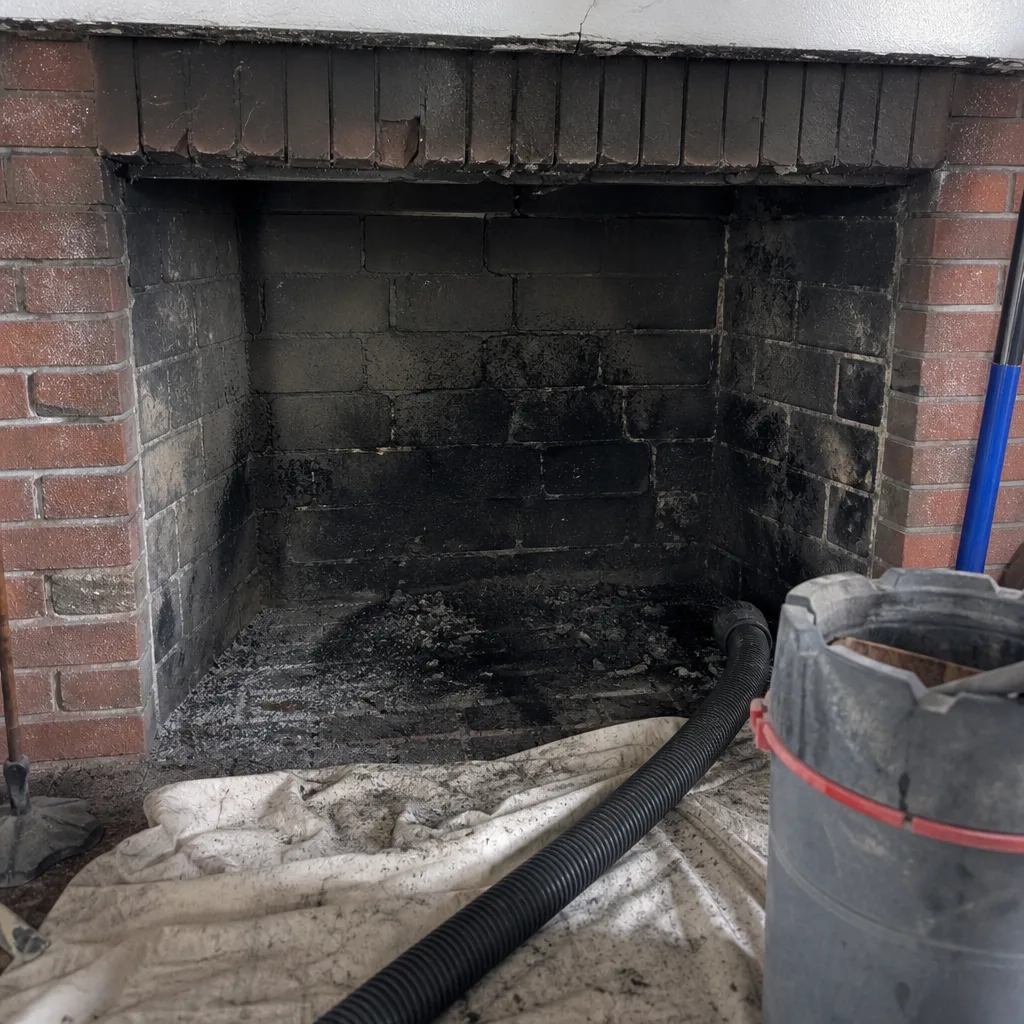
- Set up and protect the work area. Drop cloths on the floor, a HEPA vacuum at the firebox, and sealed dust barriers where needed. If your sweep doesn’t bring proper dust control, that’s a signal.
- Identify the fireplace type. Masonry or factory-built determines brush type, tooling, and how the smoke chamber is accessed.
- Sweep the firebox and smoke chamber. Hand brushes, scrapers, and vacuum work to clear soot and creosote from every surface above the damper.
- Sweep the flue from the top down (or bottom up depending on layout). Correctly sized brushes, weighted and rod-mounted, with a drop cloth at the damper to catch debris.
- Pull and inspect the damper. Check that it opens, closes, and seals properly.
- Perform the Level 1 inspection. Firebox, flue, cap, crown, flashing, clearances, and any signs of water intrusion.
- Document findings. Photos of anything unusual, plus a plain-language summary of what’s normal, what’s a watch item, and what needs repair.
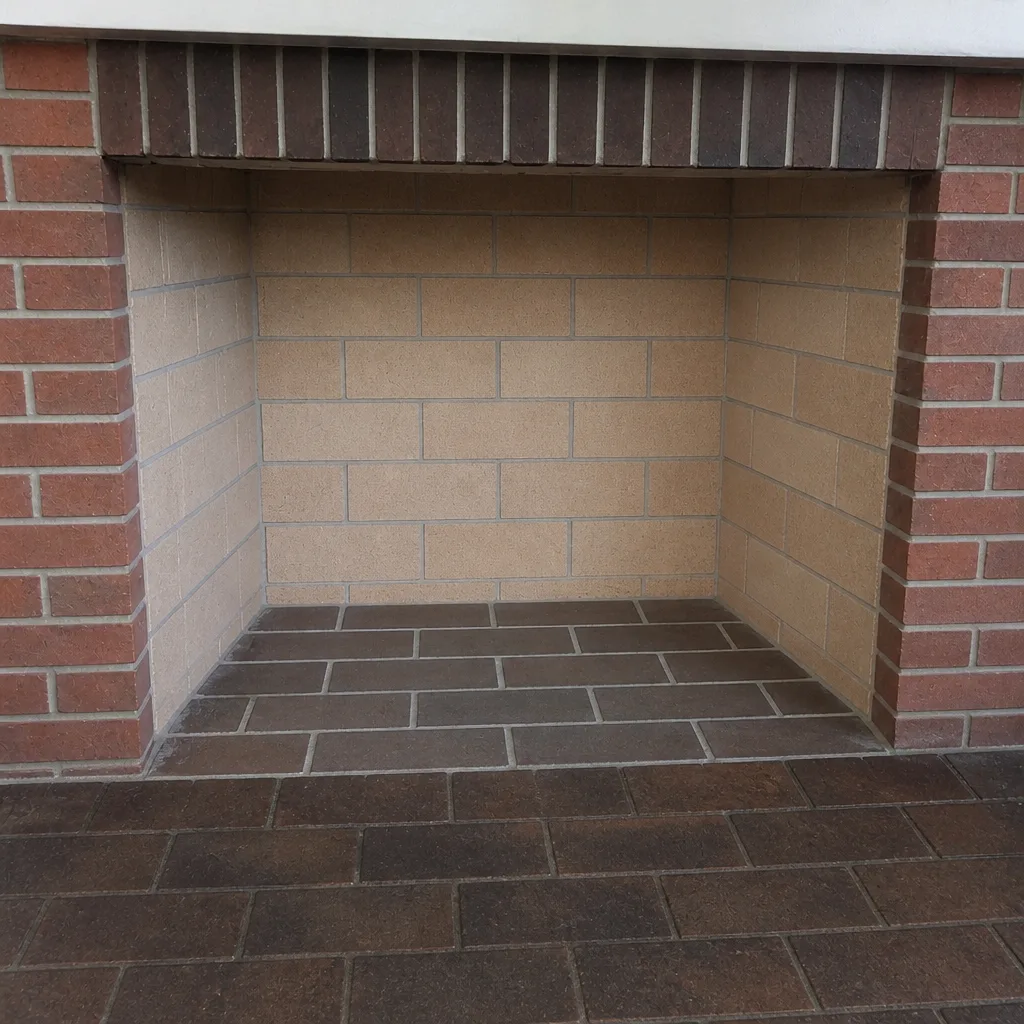
- Clean up completely. Vacuum the work area, remove drop cloths, and confirm the firebox is ready to use.
If your chimney cap is damaged or missing, we install replacements specified from Famco or Olympia Chimney systems, matched to your flue configuration. An open flue is an invitation for rain, birds, and debris, and here that means moisture getting where it doesn’t belong.
How to Verify Your Sweep Was Done Right
You shouldn’t have to take a sweep’s word for it. A few simple checks let you confirm the work was done, and any reputable company will welcome them.
- Look up the flue from the firebox with a flashlight. A clean flue shows bare flue tile or liner with no visible soot flakes or glazed patches.
- Check the firebox surfaces. The firebox walls and damper should be dust-free, not smeared with soot.
- Ask for the inspection report. A real Level 1 inspection produces documentation, including photos of anything flagged.
- Ask questions. “How much creosote was there?” and “What stage was it?” are fair questions. If the answers are vague, that’s informative too.
- Look for a follow-up plan. A good sweep tells you what to watch and when to come back. A cleaning-only company often just leaves.
We show photos. We explain in plain language. Then you decide. That’s the model we think every sweep should follow, and if another company won’t do the same, it’s worth asking why.
What Chimney Cleaning Costs in Kent
Cleaning costs in Kent fall into a fairly narrow range, driven mostly by fireplace type and how much buildup has accumulated. Factory-built units are usually faster and cost less; masonry fireplaces with heavy Stage 2 creosote take longer and cost more. Resurfacing and inspection, when needed, are separate.
- Standard cleaning (factory-built, routine): lower end of the range
- Standard cleaning (masonry, routine): mid-range
- Heavy buildup (Stage 2 creosote, extended labor): upper end of the range
- Level 1 inspection (standalone, without cleaning): separate line item
- Level 2 inspection (with video scan): separate line item, higher than Level 1
- HeatShield resurfacing (when cracks are found): quoted per linear foot after assessment
We don’t quote prices over the phone for a flue we haven’t seen. The written estimate after inspection is the price you’ll pay. That protects you from surprise upcharges and protects us from guessing wrong.
For a Kent-specific breakdown, our Kent page has the neighborhood-level pricing details and scheduling information.
Common Mistakes to Avoid
- Assuming a “clean” flue is a safe flue. A cleaning without an inspection catches nothing structural. Always confirm your sweep includes a Level 1 inspection, or book one separately.
- Skipping the sweep because the fire “still draws fine.” A partially blocked or creosote-lined flue often draws well right up until it doesn’t. By the time a draw problem shows up, the flue has usually been unsafe for a while.
- Burning wet or half-seasoned wood to save money. The savings disappear at the next sweep. Wet wood lays down creosote faster than anything else.
- Hiring a general handyman with a brush. Chimney work has its own tools, its own inspection protocol, and its own failure modes. A generalist won’t see the difference between Stage 1 and Stage 2 creosote, and won’t have the tools to remove the second one.
- Ignoring the cap. A missing or damaged cap lets rain, birds, and debris into the flue. In Kent’s climate, that’s the most common reason a flue goes downhill between cleanings.
- Deferring the inspection when buying or selling a home in Kent. A cleaning receipt is not an inspection report. If the sale depends on the chimney, get the report.
- Treating the cleaning as the end of the job. What you do with the flue the other 364 days matters as much as the sweep. Dry wood, good draw, and a covered flue are what keep the deposits from forming in the first place.
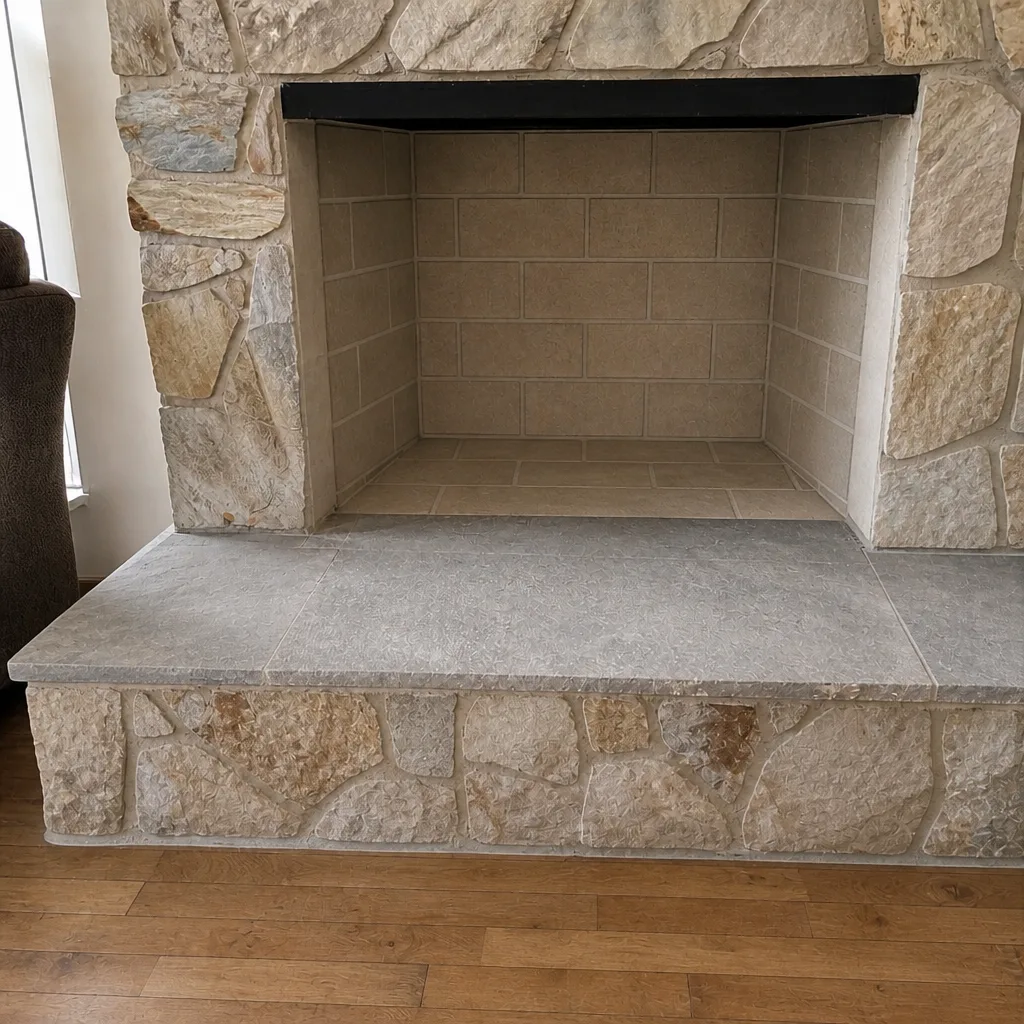
See the difference
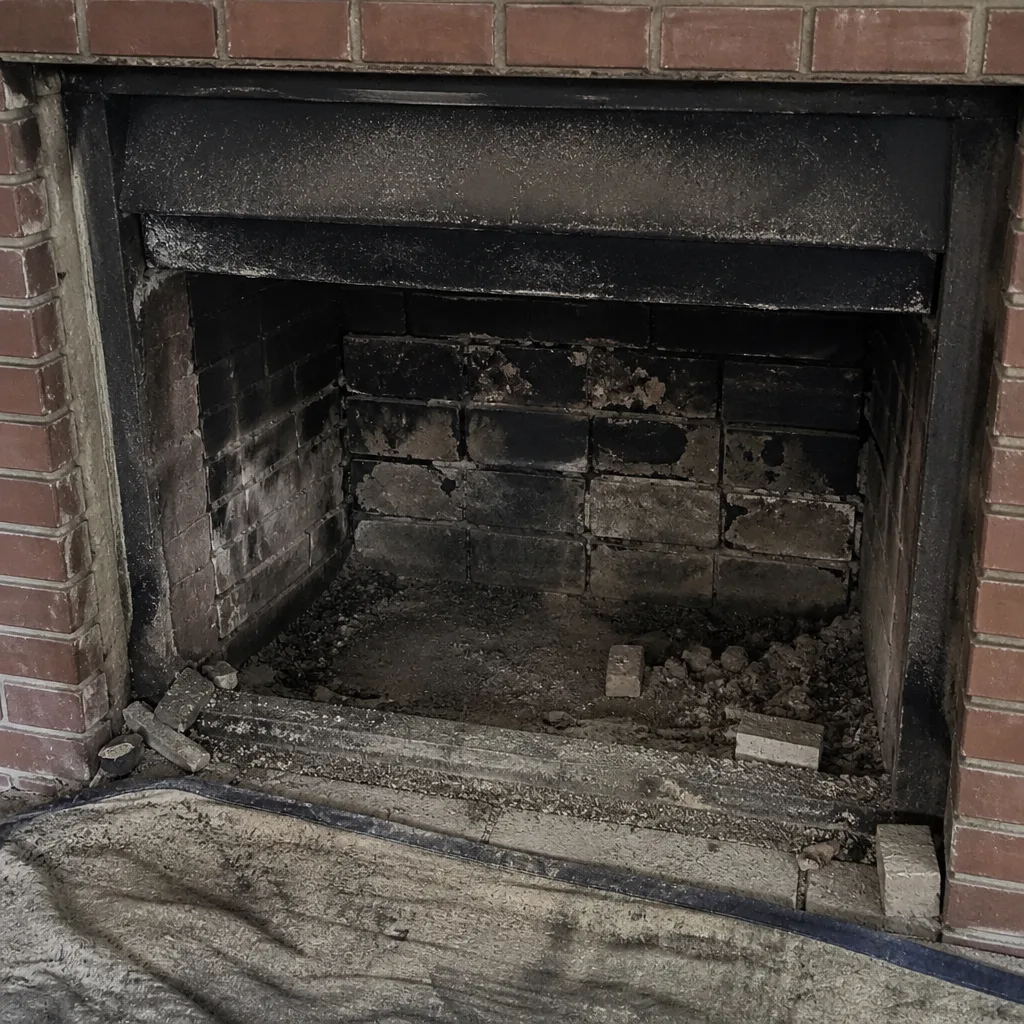 Before
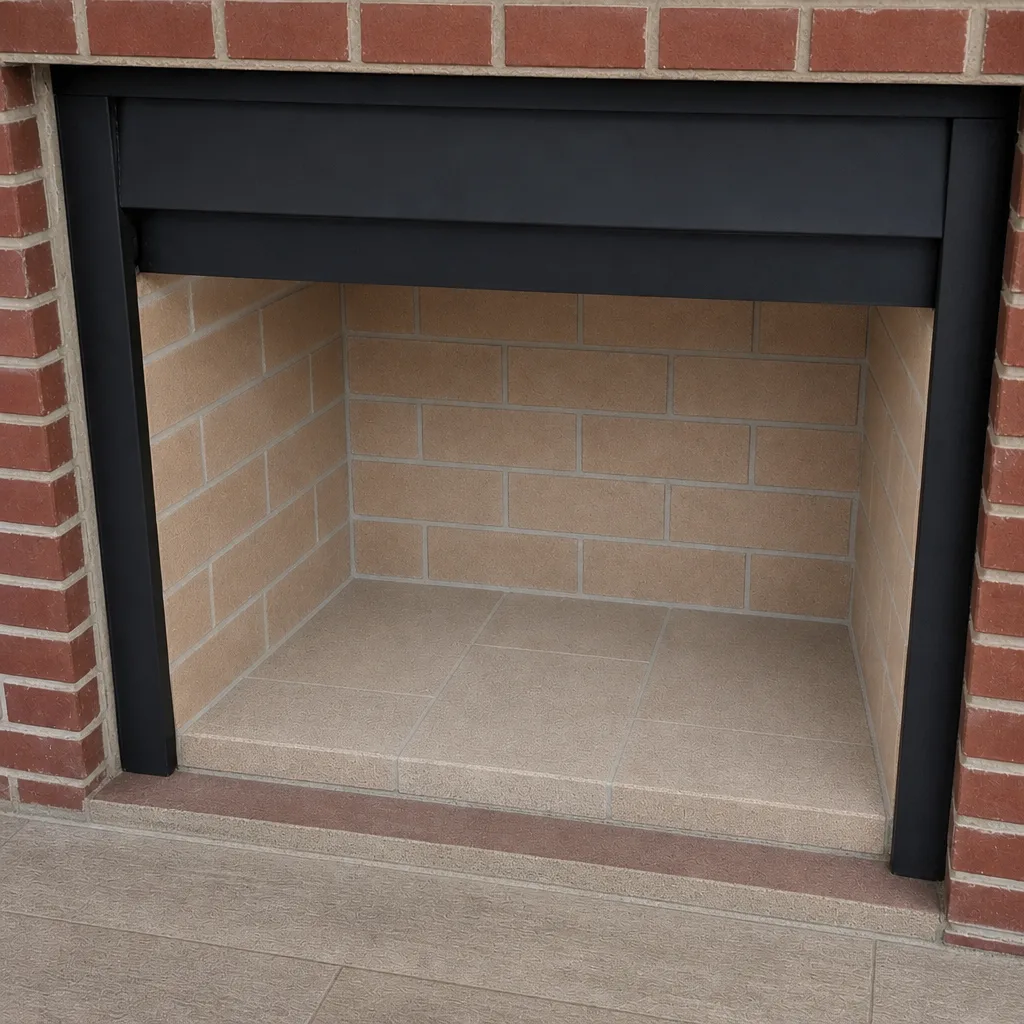 After
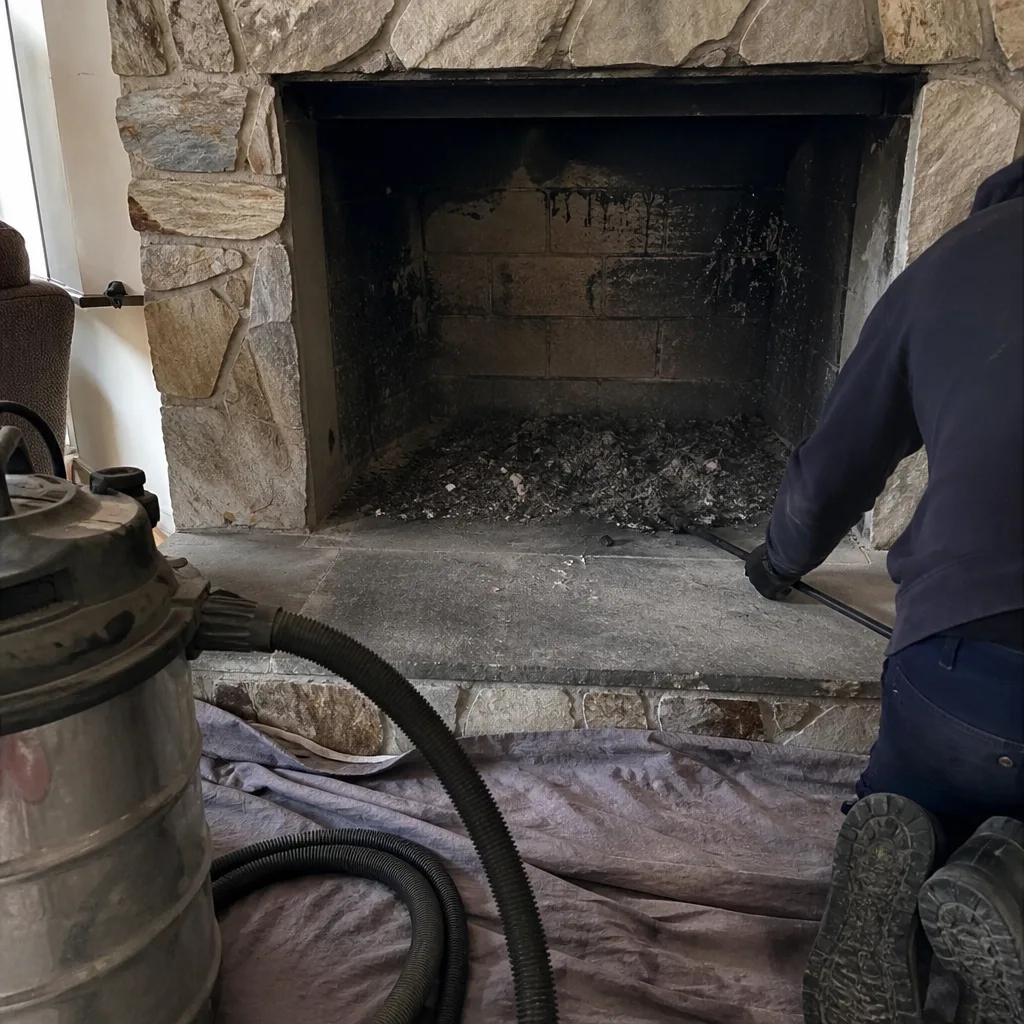 Before
 After
 Before
 After
When to Call a Professional
Call a professional before the next burn season in any of these situations: the chimney hasn’t been swept in a year or more, you smell smoke in the house when the fire is lit, there’s visible soot on the firebox face, the damper sticks, you notice stains on the chimney exterior, or a home inspection flagged the chimney. Also call if you’ve changed what you burn (say, from hardwood to alder, or from wood to a gas insert) and haven’t had the flue re-inspected.
If a chimney fire has happened, even a small one, stop using the fireplace and book an inspection before the next fire. Small chimney fires often go unnoticed but leave cracked tiles or warped liners that aren’t visible from the firebox. Chimney Sweep Kent offers free estimates in Kent. Call (866) 942-7714. We answer 24/7. Fast dispatch from 7am to 7pm, Sunday through Friday.
Frequently Asked Questions
A standard chimney sweep in Kent typically falls in a modest range depending on the fireplace type and buildup, and the written estimate after inspection sets the final price. Factory-built units usually cost less than masonry because they take less time, and heavy Stage 2 creosote costs more because it takes longer to remove. Call (866) 942-7714 for an exact quote. Estimates are free.
Most of the time, no. A cracked clay flue tile often looks like it needs a full reline, but HeatShield resurfacing can restore the flue interior for far less in many cases. We only recommend relining when the flue has damage that resurfacing can’t safely address, and we show you the photos and explain the options before you decide. Call (866) 942-7714 to book an assessment.
Once a year for any home burning wood regularly, and twice a year if you burn softwood heavily or notice draw problems. Kent’s wet climate makes the annual schedule more important than it is in drier parts of the country, because moisture hardens creosote faster here. A mid-season check is a reasonable idea if you’re burning several cords a season.
Deposits build up faster than most homeowners realize. Stage 1 creosote becomes Stage 2 in two or three seasons in Kent’s climate, and Stage 2 can ignite, causing a chimney fire that may crack tiles or warp a liner. Blockages from birds, debris, or a collapsed tile can push combustion gases back into the home instead of up the flue. Neither failure announces itself. Both are visible on inspection long before they become a problem. Call (866) 942-7714 to book a sweep.
Yes, and for most Kent homes they should happen together. The cleaning removes the debris and creosote, and the Level 1 inspection confirms the flue, firebox, damper, and cap are safe. We also offer inspection as a standalone service for home sales, insurance, and annual checks that don’t need a sweep. Call (866) 942-7714 to book either.
The tools and techniques differ. Masonry fireplaces with clay tile flues use rod-and-brush tooling sized to the tiles plus a separate smoke chamber scrape; factory-built units use brushes matched to the metal flue’s profile to avoid scratching. The inspection points differ too, and treating one like the other is how damage gets done. Tell the company what you have, or let them identify it on arrival.
The Bottom Line
Chimney cleaning in Kent isn’t complicated, but it’s climate-specific. The rainfall that makes Western Washington green also pushes moisture into unswept flues and accelerates creosote hardening in a way dry-climate advice never accounts for. Burn seasoned wood, get an annual sweep that includes a Level 1 inspection, and don’t confuse a clean flue with a safe one. If your flue has reached Stage 2, or if an inspection finds tile cracks, resurfacing with HeatShield often saves you a full reline. We work with professional-grade materials from DuraFlex, HeatShield, Gelco, Olympia Chimney, Famco, and Copperfield, and we handle sweep, repair, and inspection under one roof so nothing gets handed off mid-project. Our technicians have up to experience, and we show you what we find before recommending anything. For a chimney sweep you can verify, visit Chimney Sweep Kent.
Contact
Ready to book a sweep, inspection, or repair estimate in Kent? Call (866) 942-7714 for a free estimate. We answer 24/7. Fast dispatch from 7am to 7pm, Sunday through Friday. Tell us what kind of fireplace you have and roughly when you last had it cleaned. We’ll take it from there.
Written by the team at Chimney Sweep Kent.