
Last updated November 15, 2026
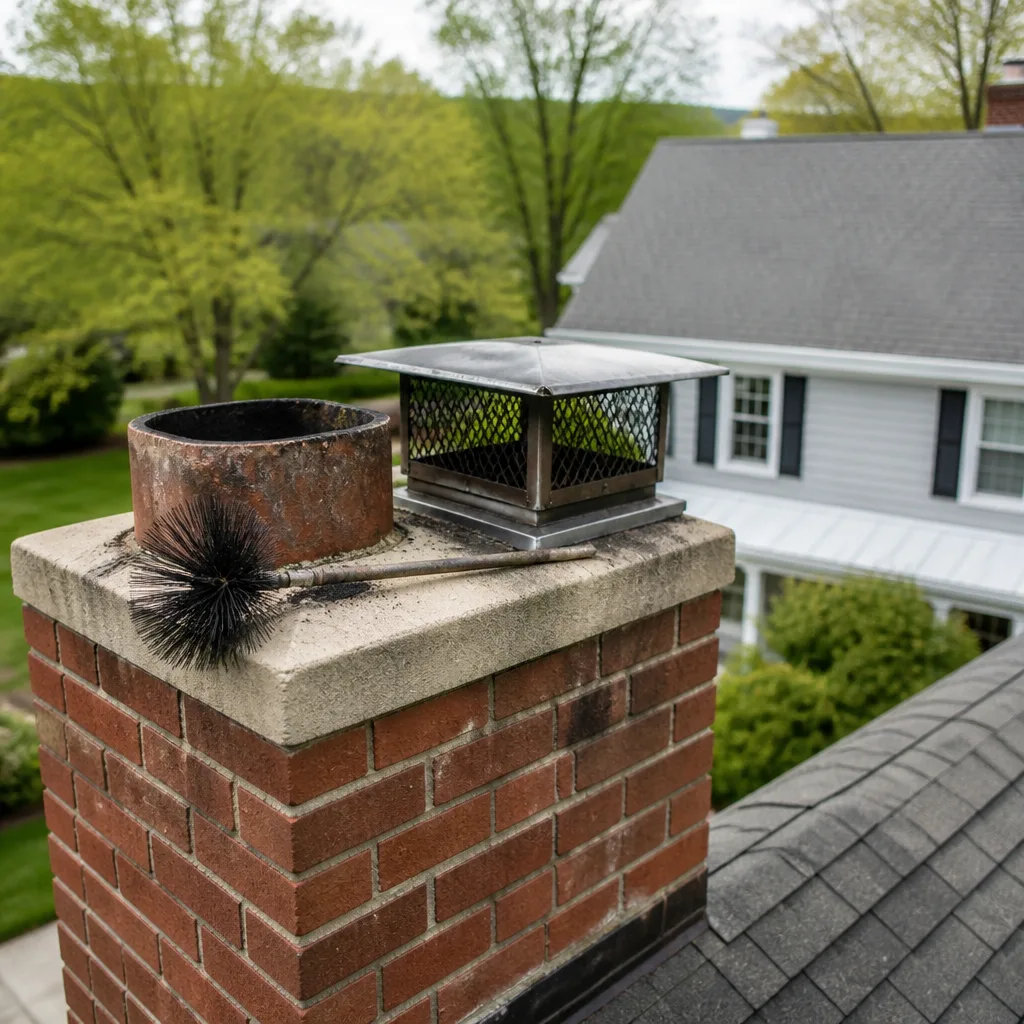 Sweep & inspection
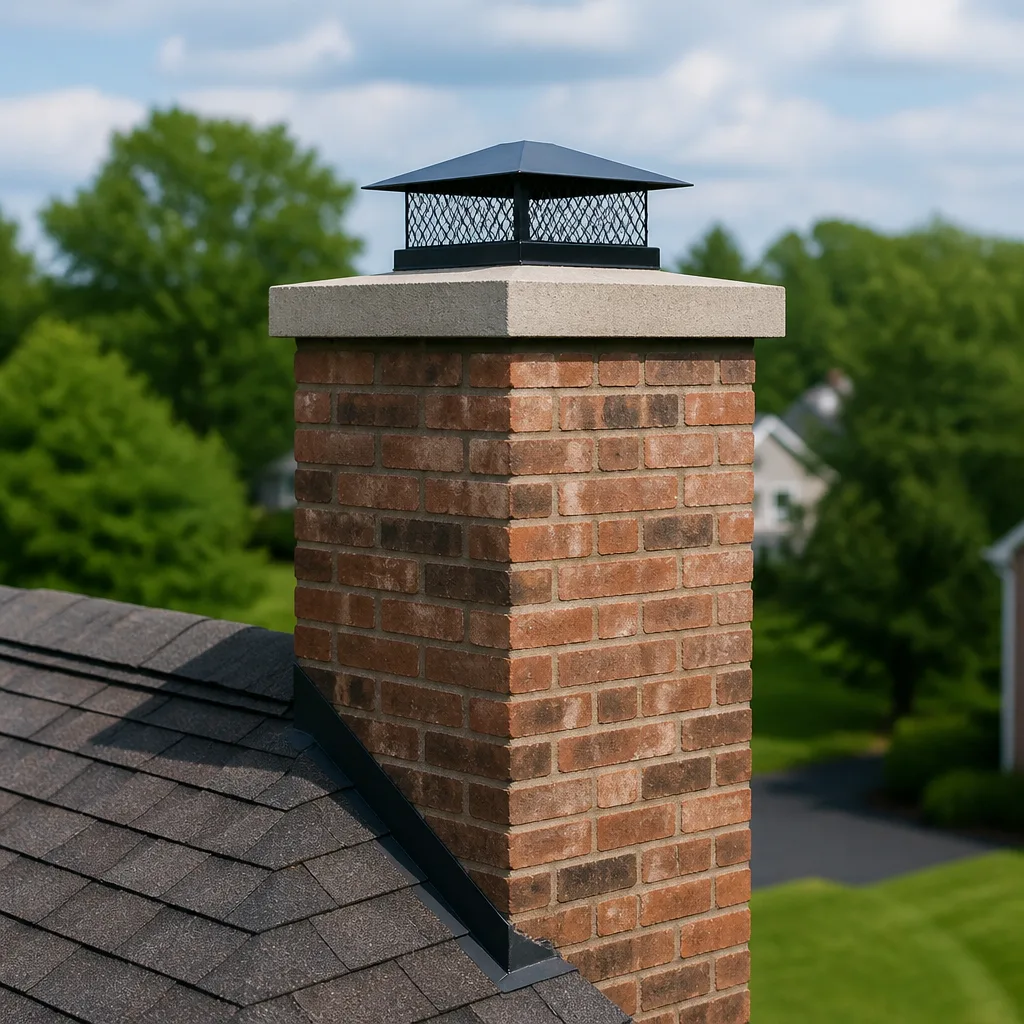 Caps & crowns
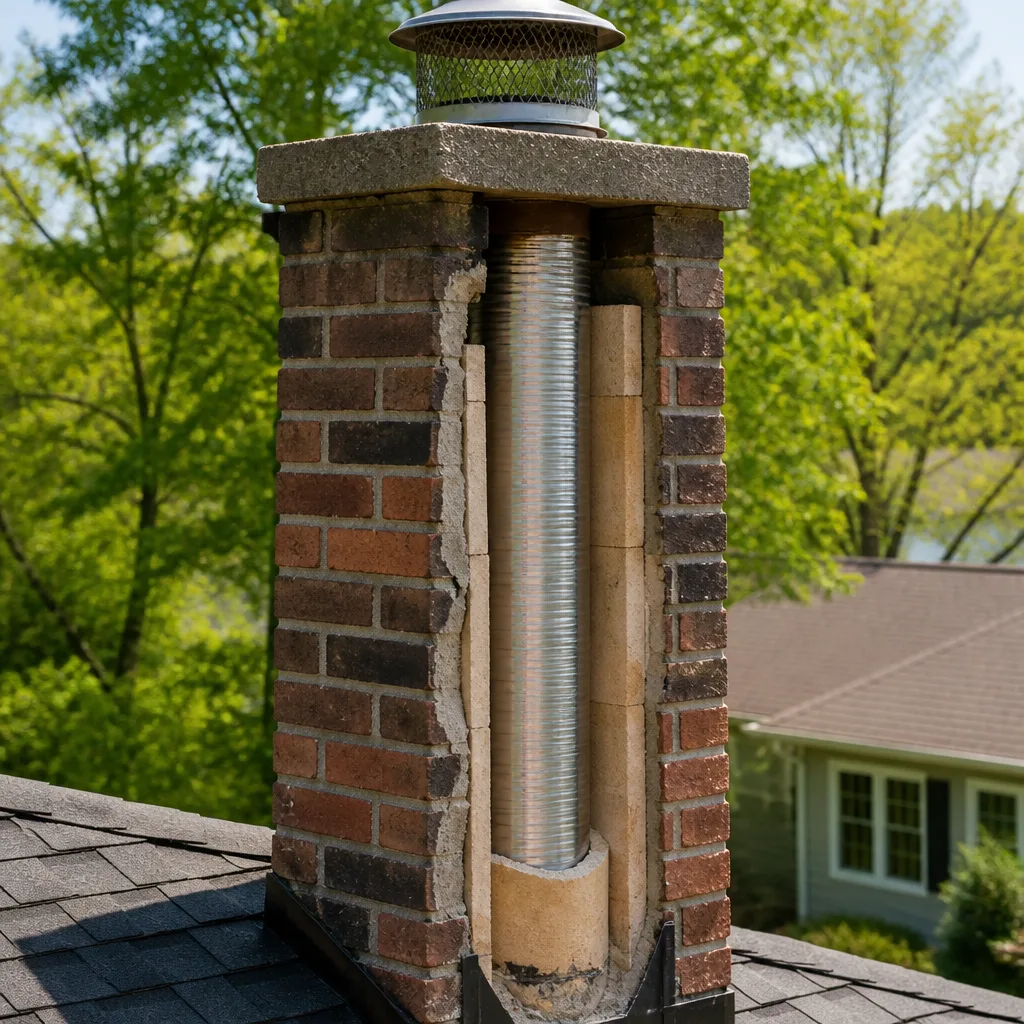 Flue relining
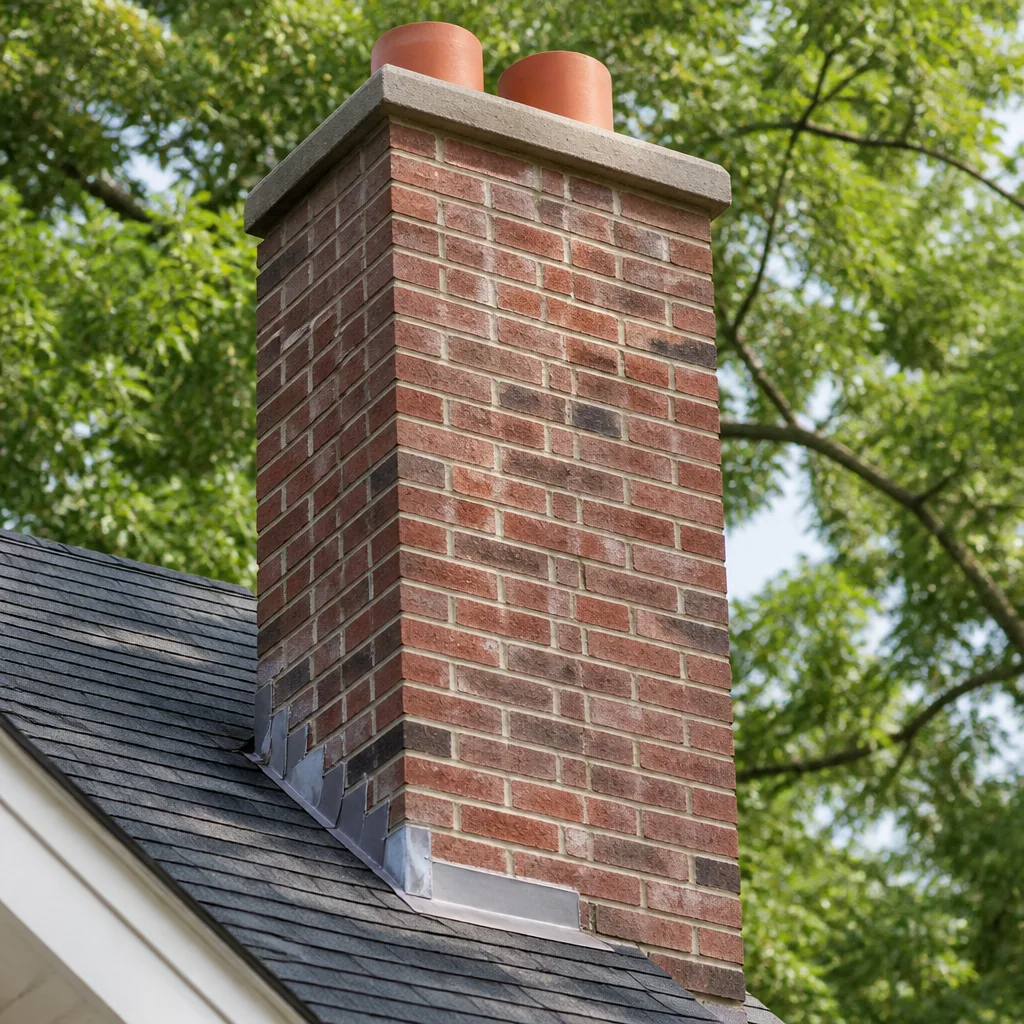 Masonry repair
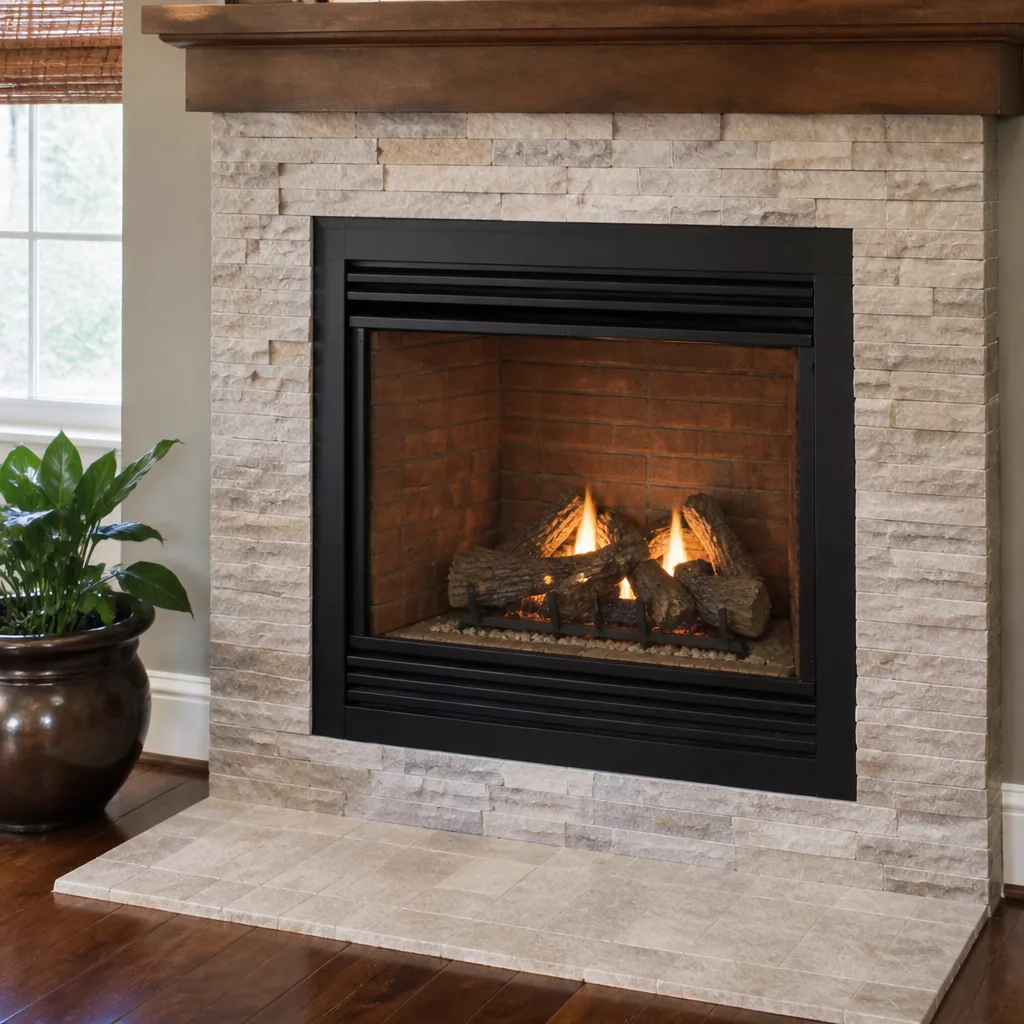 Gas fireplace service
Level 1 sweep and inspection to the NFPA 211 annual standard - flue, crown, cap, and flashing checked and photographed
Chimney sweep logs do not sweep chimneys. They loosen some creosote - which then falls where a brush and vacuum still have to collect it.
Seasonal Chimney Cleaning Care for Kent: Year-Round Homeowner’s Guide
Most homeowners in Kent think about their chimney twice: once when they light the first fire in October, and once when they smell something odd in January. The trouble is that the problems they discover in October were set in motion back in April. Kent’s long wet spring and humid summer do more quiet damage to an idle chimney than six months of active burning, because moisture, nesting birds, and settling mortar all get to work while the flue sits silent. This guide walks through what a chimney actually needs in each season here, why a late-September cleaning beats an August one, and how many cords of wood should trigger a mid-winter look.
Quick Answer
In Kent, a chimney needs three touchpoints a year rather than one: a post-season check and clean in April, an exterior and cap inspection in mid-summer, and a full sweep in late September before the burn season starts. Add a mid-winter inspection once you’ve burned through roughly two cords of wood in a typical Kent household. The seasonal rhythm matters more than the calendar date, because moisture damage and nesting activity happen on their own schedule, not yours.
Styles & brands we work with
- Sweep & inspection
- Caps & crowns
- Flue relining
- Masonry repair
- Gas fireplace service
Table of Contents
- Why Kent’s Climate Makes Chimney Care a Year-Round Job
- Spring Shutdown: The April Care Most Homeowners Skip
- Summer Humidity, Mortar, and the Nest You Legally Can’t Touch
- Fall Prep: Why Late September Beats August
- Mid-Winter Benchmarks: When Two Cords Mean an Inspection
- The Four-Season Chimney Care Checklist
- What You Can Safely Check Yourself
- Common Mistakes to Avoid
Why Kent’s Climate Makes Chimney Care a Year-Round Job
Kent sits in a stretch of western Washington where the wet season runs long and the dry season runs short. That means your chimney spends roughly half the year doing its job and the other half absorbing moisture. Neither half is neutral. A flue that pulls hard in January and then sits damp from April to September is a flue with two different kinds of stress on it, and each one needs its own response.
During burn season, creosote builds on the flue walls. Creosote is the residue of incomplete combustion, and it comes in forms ranging from a light soot to a hardened, glazed layer that’s genuinely difficult to remove. The longer it sits, the harder it gets. During idle season, moisture moves in and out of masonry, mortar joints expand and contract, and the whole assembly slowly works itself loose.
Here’s what that means in practice for a household in Kent:
- Burn season stress: creosote accumulation, soot on the smoke chamber, and a damper that gets worked hard for months.
- Idle season stress: moisture infiltration, mortar erosion, rust on dampers and caps, and nesting activity in the flue.
- The overlap: the shoulder months of March and October, when the chimney is neither fully active nor fully at rest.
Most chimney guidance assumes a single annual cleaning. In a wet-climate market like Kent, that single cleaning leaves the idle-season half of the cycle completely unaddressed. We’ve seen plenty of chimneys that were swept faithfully every fall and still developed cracked crowns and failing mortar joints, simply because nobody looked at them between May and September.
Our technicians have up to experience, and the pattern they describe most often is a homeowner who’s doing everything right by the once-a-year standard and still ending up with repair work that a seasonal rhythm would have prevented.
Spring Shutdown: The April Care Most Homeowners Skip
When you stop using the fireplace for the season, the chimney doesn’t stop being a chimney. It stops being a chimney you’re paying attention to. April is the moment to close out the burn season properly, and it’s the step most Kent homeowners skip entirely.
What a proper spring shutdown involves:
- Sweep out the burn-season residue. Creosote left sitting through a humid summer cures harder than it would in a dry climate. Cleaning now means an easier clean next fall.
- Check the damper. A damper that’s been worked daily for six months can warp, stick, or fail to seal. In the closed position, it should sit flush and block airflow. A damper stuck partly open lets warm, moist air rise through the flue all summer, which is exactly the wrong direction.
- Inspect the draft cap and spark arrestor. Winter storms and debris loading from the previous season can bend or clog the cap. If airflow through the cap is restricted, the whole flue stays damper through the idle season.
- Look at the firebox and smoke shelf. Any cracks visible now are easier and cheaper to address than after another wet summer works on them.
- Confirm the cap is seated properly. A cap that’s shifted off-center during winter weather is an open invitation for birds and rain.
The damper and cap points are the ones homeowners most often overlook, and they’re the two components that determine how much moisture enters the flue during idle season. A cap that fits correctly is a genuine piece of moisture control, not just a cosmetic detail. That’s part of why we specify professional-grade components like Famco and Olympia Chimney caps, matched to the actual flue configuration rather than a generic size.
If a spring shutdown is the only seasonal service you ever add, it’s the one with the highest return. It’s also the point where we catch developing problems at the stage when resurfacing can still solve them.
Summer Humidity, Mortar, and the Nest You Legally Can’t Touch
Kent’s summers are humid enough that an idle chimney never fully dries. Masonry is porous by nature, and moisture that migrates into a brick or mortar joint has to go somewhere. It usually leaves by expanding when it warms and contracting when it cools, which is the slow mechanical process that erodes mortar joints from the outside in.
What mortar deterioration looks like from the outside
You don’t need to climb anything to spot the early signs. Stand back from the chimney and look at the exterior mortar joints. What you’re watching for:
- Mortar that crumbles or brushes away when you touch a joint with a fingertip.
- Visible gaps or recessed joints where mortar has washed out.
- White, crusty staining on the brick face, which points to moisture moving through the masonry.
- Efflorescence: the powdery white deposit that forms when moisture migrates through and evaporates off the surface.
- A crown at the top of the chimney that’s cracked, pulled away from the flue, or holding water.
None of that is a DIY fix, but spotting it early is genuinely useful because it tells you when to bring someone out. Left alone through several humid summers, small joint erosion becomes a repointing job and a failing crown becomes a rebuild.
The nesting season reality
Summer is nesting season, and chimneys are prime real estate. This is where a lot of homeowners get themselves into legal trouble without realizing it. Several bird species that nest in chimneys are protected under federal law, and under the Migratory Bird Treaty Act you cannot legally remove an active nest, disturb eggs, or relocate young birds, even though the chimney is on your own property and you own every brick of it.
What that means practically: if a bird is actively nesting in your flue, you wait for the nest to be abandoned and the season to end. The cap that should have been on the chimney before nesting started is the actual solution. Getting a properly fitted cap installed earlier in the year prevents the whole situation. We regularly fit caps from Gelco and Copperfield specifically because correct sizing and a secure fit is what stops birds from getting in at all.
If you’re not sure whether a nest is active, that’s a reasonable thing to ask someone to look at rather than guess about.
Fall Prep: Why Late September Beats August
Conventional advice says to sweep in late summer. In Kent, that’s slightly too early. August is still dust season, and the fireplace has weeks of settling to do before it sees real use. A sweep done in late September, right before the first sustained burn, gives you a flue that’s clean at the moment it matters.
The reasoning comes down to a few practical points:
- Dust season passes. Late summer is dry, dusty, and windy here. A flue swept in August can pick up a fresh layer of airborne debris before you ever light a fire.
- Nesting season is fully closed out. By late September, any summer nest is abandoned and removable, so the sweep clears it along with everything else.
- You catch problems with time to fix them. A cracked flue lining found in late September can often be resurfaced before the cold sets in. The same finding in November forces a harder decision.
- The first-burn test is cleaner. A freshly swept flue draws properly from the first fire, which makes it obvious if something’s wrong with draft.
A pre-season sweep is also the right time for the annual inspection. We treat inspection as a standalone service rather than an upsell attached to a cleaning, which means a pre-season check in Kent can support an insurance requirement or a real estate transaction on its own, and a cleaning is a separate decision.
Before we recommend a full relining, we assess whether HeatShield resurfacing can restore the flue for less. That assessment belongs in the fall, when there’s still time to act on it. A cracked liner found during a late September sweep is a problem with options; the same liner found in December is a problem with fewer.
Mid-Winter Benchmarks: When Two Cords Mean an Inspection
Most guidance assumes one cleaning a year is enough. In a household that actually heats with wood, it isn’t always. A useful benchmark for a typical Kent home is around two cords of wood burned: once you’ve gone through roughly that much in a season, a mid-winter inspection is worth scheduling rather than waiting for spring.
The word here is inspection, not necessarily cleaning. What a mid-winter look tells you:
- How fast creosote is actually building. Burn rate varies enormously with wood moisture, burning habits, and appliance type. A mid-season check tells you your household’s real rate rather than a generic assumption.
- Whether the flue is drawing as well as it did in October. A drop in draft mid-season often points to a partial blockage or a damper issue.
- Whether the cap is still clear. Winter storms load caps with debris, and a partly blocked cap changes how the whole system behaves.
- Whether a glazed creosote layer is forming. Glazed creosote is the form that’s hardest to remove and most associated with chimney fire risk, and catching it early makes it far more manageable.
A gas insert or stove changes the picture slightly. A gas appliance doesn’t produce creosote the way wood does, but it still needs annual inspection for venting integrity, and the seasonal exterior checks apply just the same. If your fireplace is decorative and rarely used, the same seasonal rhythm still applies at lower intensity: look in spring, look in fall, and don’t skip the cap check.
If you’ve burned through two cords and haven’t had anyone look at the flue since fall, that’s the trigger. Call (866) 942-7714. We answer 24/7. Fast dispatch from 7am to 7pm, Sunday through Friday.
The Four-Season Chimney Care Checklist
Here’s the whole year reduced to a single sequence you can actually follow.
- April – post-season sweep and shutdown. Clean out burn-season residue before humidity cures it. Check the damper for a proper seal and the draft cap for damage. Look at the firebox and smoke shelf for cracks.
- May to June – exterior observation. From ground level, watch the mortar joints for crumbling, the brick face for white staining, and the crown for cracks. Note anything that changes.
- July to August – cap and nesting check. Confirm the cap is seated and the spark arrestor is clear. If a bird is actively nesting, leave it alone and plan for removal once the season ends.
- Late September – pre-season sweep and annual inspection. Clear the flue, confirm the liner is sound, and get any resurfacing or relining decision made while there’s still time to act on it.
- Mid-winter – inspection if you’ve burned about two cords. Check creosote rate, draft, and cap clearance. Address glazed creosote early rather than late.
That’s the full cycle. If you want the mechanics of each step in more depth, our chimney sweep page covers what a sweep actually involves, and the chimney repair page covers resurfacing, relining, and masonry work in detail.
What You Can Safely Check Yourself
There’s a real line between what a homeowner can reasonably observe and what requires a trained professional with the right tools. Crossing that line is how people get hurt.
Safe to observe from ground level or from inside the room:
- Exterior mortar joints, brick face, and the crown at the top of the chimney.
- The damper’s open and closed positions from inside the firebox.
- Whether the cap appears seated and unobstructed.
- Whether smoke draws up the flue or spills into the room when you first light a fire.
- Any new staining on the ceiling or walls near the chimney.
Not a DIY job, and we’d genuinely rather you didn’t try: anything on the roof, anything inside the flue, and anything involving the liner itself. A chimney flue is a confined space with sharp edges and unpredictable footing, and roof work on a wet-climate home is a fall hazard even for people who do it regularly. Cleaning a flue without the right brushes and rods can also damage a liner that was otherwise fine. If something looks wrong up there, that’s the moment to call rather than climb.
We show you what we find, with photos and a plain-language explanation of your options, then you decide. That’s the standard we hold to on every visit.
Common Mistakes to Avoid
- Sweeping in August and calling it done. Dust season in Kent runs through late summer, so an August sweep can pick up fresh debris before the fireplace ever sees real use. Late September gives you a flue that’s clean when it counts.
- Skipping the spring shutdown entirely. Creosote left to sit through a humid Kent summer cures harder and cleans harder in the fall. The damper and cap checks that belong in spring are the ones that prevent idle-season moisture from getting in.
- Assuming a cap is optional. Without a properly fitted cap, summer nesting season and winter weather both have an open door into your flue. A correctly sized cap solves both problems at once.
- Trying to remove an active bird nest yourself. Several chimney-nesting species are protected under federal law, and removing an active nest or disturbing eggs is illegal even on your own property. Wait for the season to end, then have the flue cleared properly.
- Ignoring white staining on the brick. Efflorescence is moisture telling you it’s moving through the masonry. It’s an early indicator, not a cosmetic issue, and it’s much cheaper to investigate than to repair later.
- Waiting for a problem to announce itself. Chimney problems rarely start with a dramatic symptom. They start with a small crack, a slightly sticky damper, or a crown that’s holding a little water, and they announce themselves in January when the fix is urgent.
- Treating a once-a-year clean as full coverage. The idle season in Kent does its own kind of damage, and no annual cleaning addresses it. A seasonal rhythm covers both halves of the year.
See the difference
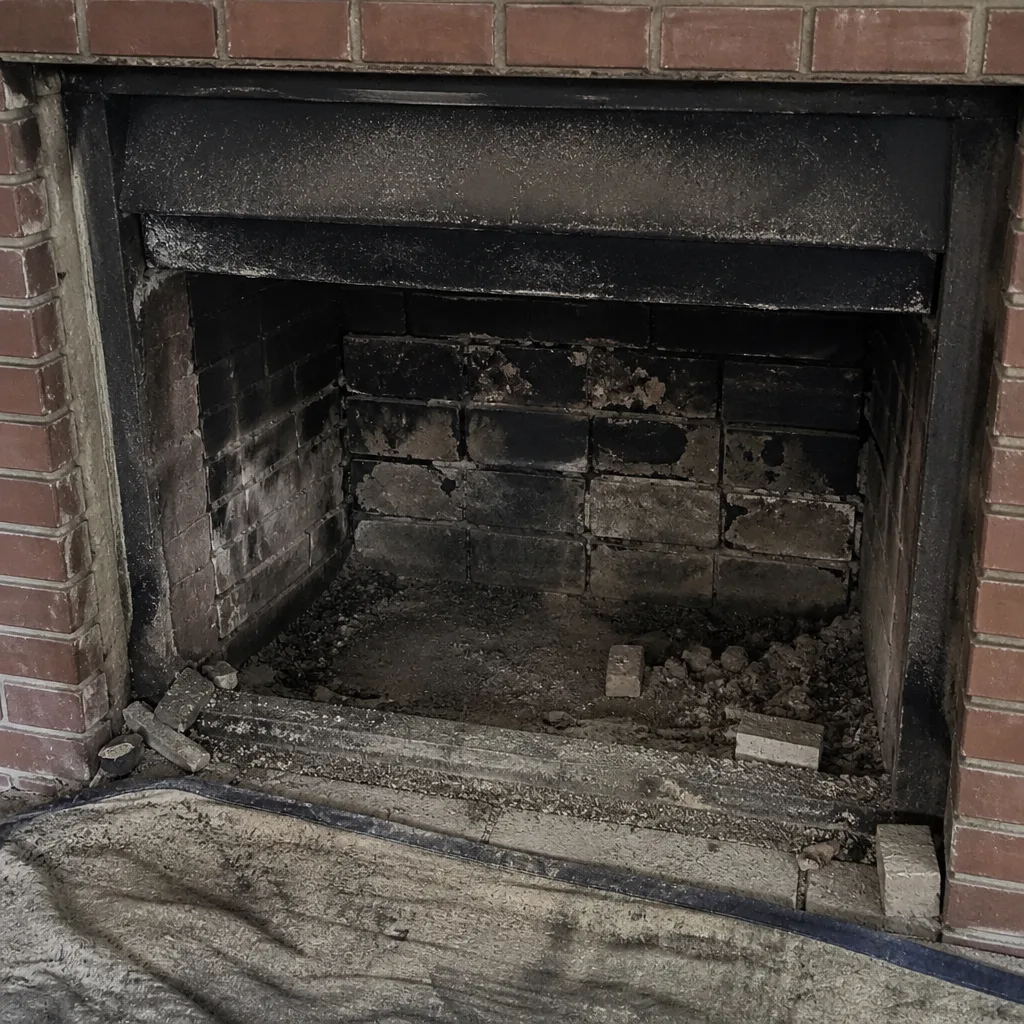 Before
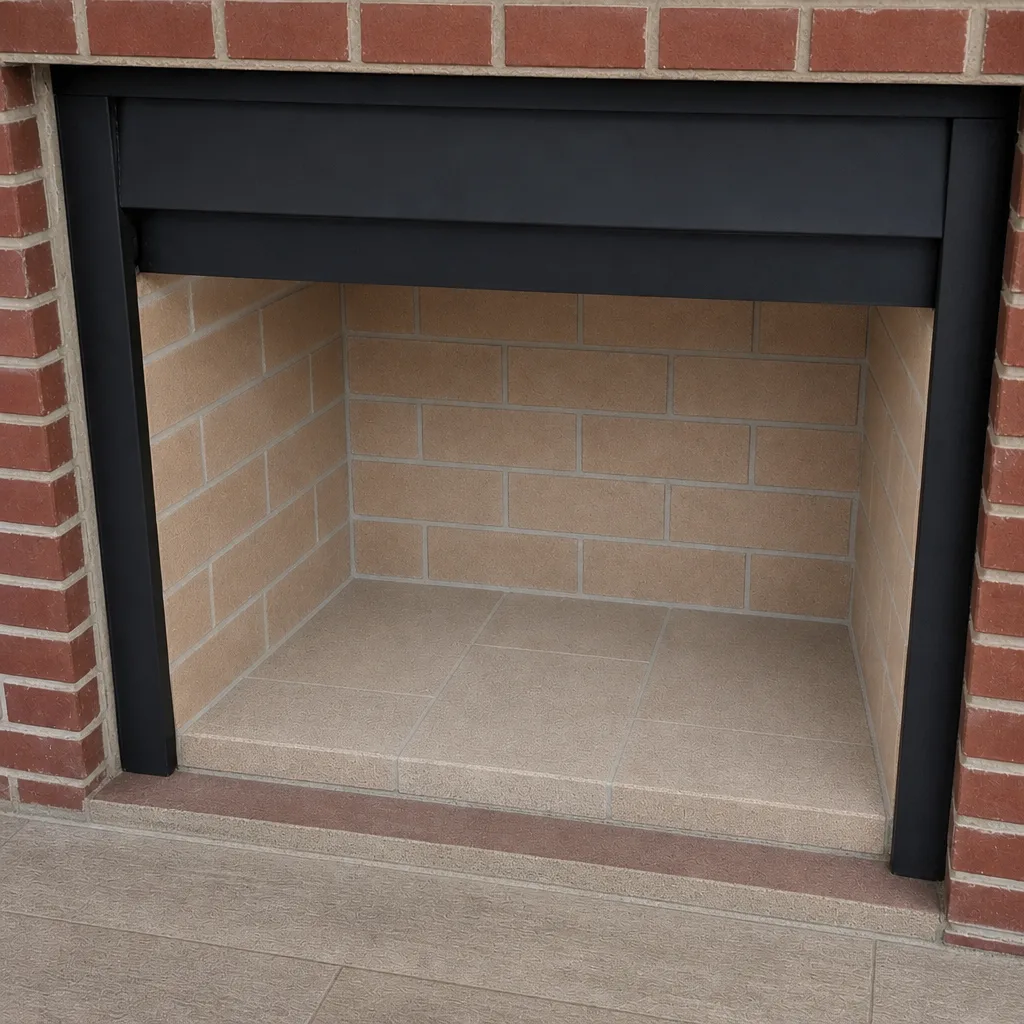 After
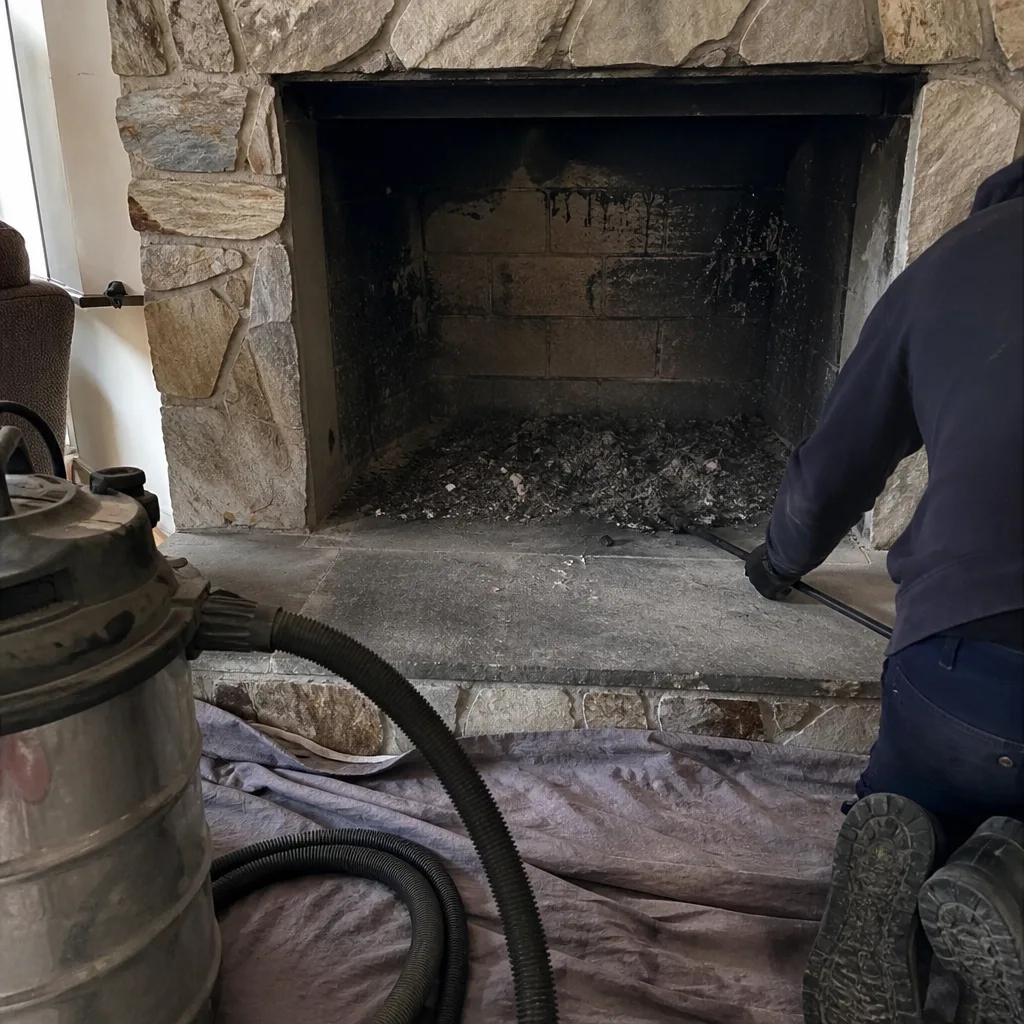 Before
 After
 Before
 After
When to Call a Professional
Call a professional if you can see crumbling mortar joints, white staining on the brick, or a cracked crown; if the damper no longer seals or sticks when you move it; if smoke spills into the room when you light a fire; if you notice a strong, sharp smell from the fireplace even when it’s not in use; or if a bird is nesting and you need to know when it’s safe to clear the flue. Call before your first fall fire if it’s been more than a year since the last sweep, or if you’ve burned around two cords since the last inspection.
Chimney Sweep Kent offers free estimates in Kent – call (866) 942-7714. We answer 24/7. Fast dispatch from 7am to 7pm, Sunday through Friday.
Frequently Asked Questions
Once a year is the baseline, but in Kent a late-September sweep before burn season is the timing that works best, with a post-season check in April and a cap and exterior look in mid-summer. If you burn around two cords of wood in a season, add a mid-winter inspection. Call (866) 942-7714 for an exact quote on a sweep – estimates are free.
Late September lets Kent’s dry, dusty late summer pass before the flue is cleaned, so the sweep lasts into the burn season rather than collecting a fresh layer of debris. It also means nesting season is fully over and any abandoned nest can be removed, and it leaves time to act on anything the inspection turns up. Call (866) 942-7714 to book a pre-season sweep – estimates are free.
No, not while it’s active. Several bird species that nest in chimneys are protected under the Migratory Bird Treaty Act, and removing an active nest, eggs, or young birds is illegal even on your own property. Wait for the birds to leave and the season to end, then have the flue cleared and a correctly fitted cap installed. Call (866) 942-7714 if you’re not sure whether a nest is active – estimates are free.
Yes. Masonry is porous, and moisture that gets into mortar joints expands and contracts with temperature changes through the idle season, which erodes the joints over time. You can often spot the early stage from the ground as white crusty staining on the brick or mortar that crumbles to the touch. Call (866) 942-7714 if you see either – estimates are free.
Around two cords in a typical Kent household is a good benchmark. Once you’ve burned roughly that much, a mid-winter look tells you your household’s actual creosote build rate, whether the draft has changed, and whether a glazed layer is starting to form. Call (866) 942-7714 to schedule one – estimates are free.
A sweep removes creosote and debris from the flue, while an inspection assesses the structural and safety condition of the whole system, including the liner, crown, cap, and damper. We offer inspection as a standalone service, so it can support an insurance requirement or a real estate transaction without being tied to a cleaning. Call (866) 942-7714 for either – estimates are free.
The Bottom Line
Kent’s burn pattern, heavy from October through March and idle through a humid spring and summer, creates two separate kinds of chimney wear that a single annual cleaning doesn’t cover. April shutdown care handles the moisture side, a late-September sweep handles the creosote side, and a mid-winter inspection once you’ve burned about two cords catches whatever falls between them. Keep the cap fitted and seated, watch your exterior mortar for early signs, and leave the flue and the roof to a professional. If you’d rather have one company handle the sweep, the inspection, and any resurfacing or relining that comes out of it, that’s exactly what we do. Call (866) 942-7714 for a free estimate. We answer 24/7. Fast dispatch from 7am to 7pm, Sunday through Friday.
Written by the team at Chimney Sweep Kent.