
Last updated November 15, 2026
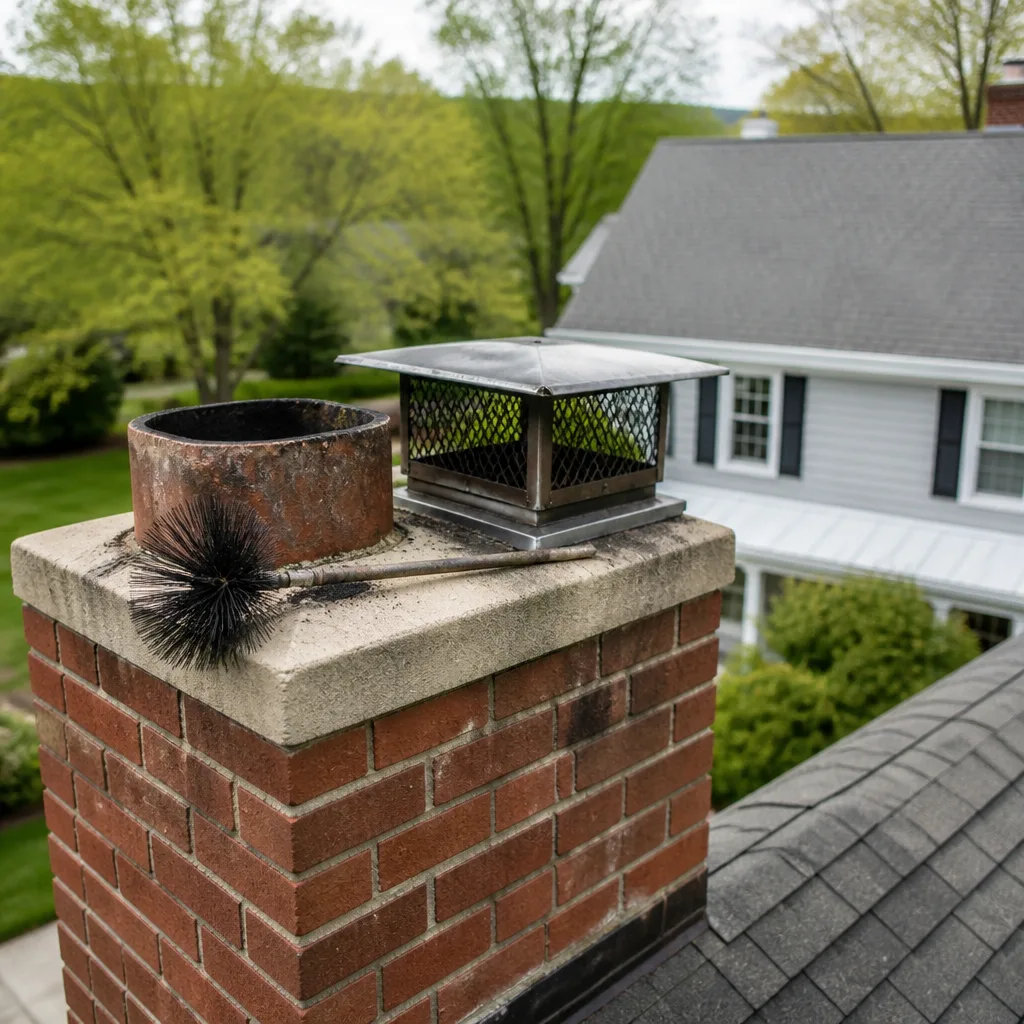 Sweep & inspection
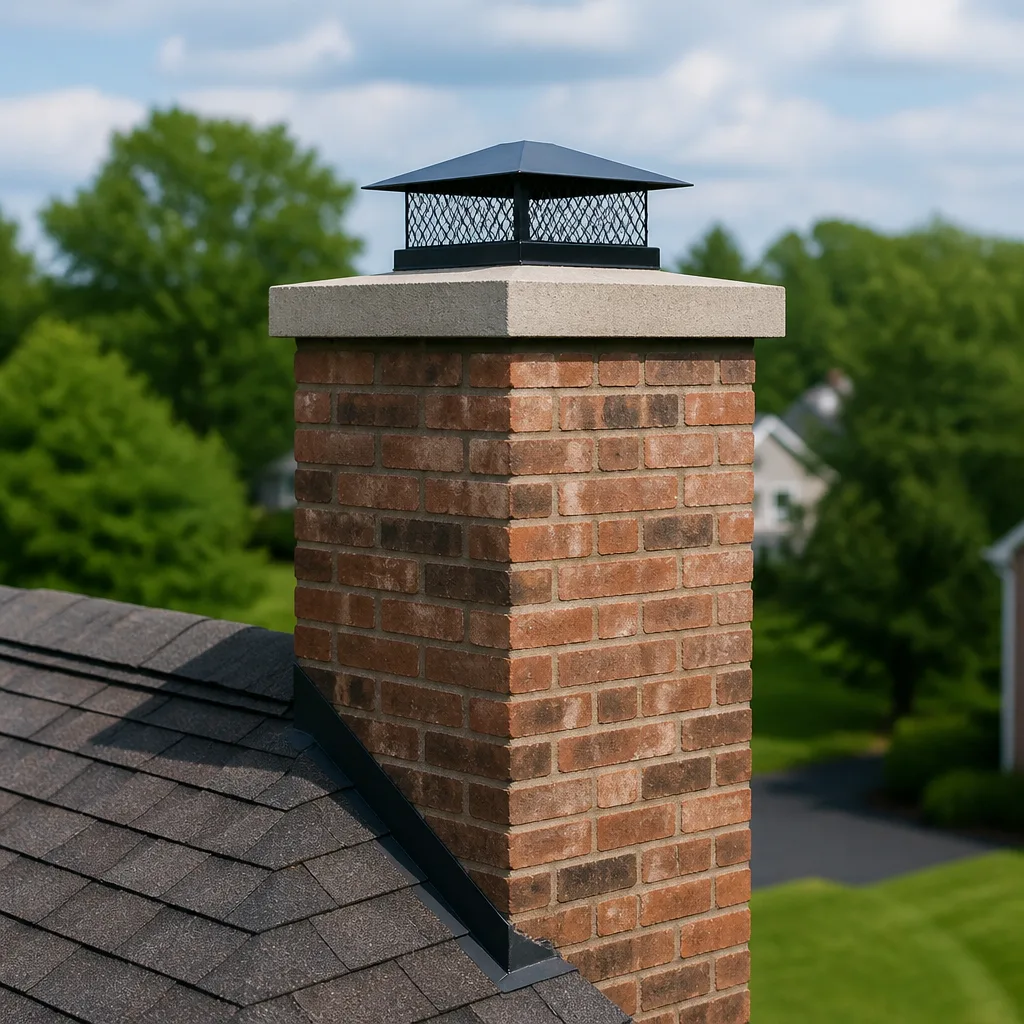 Caps & crowns
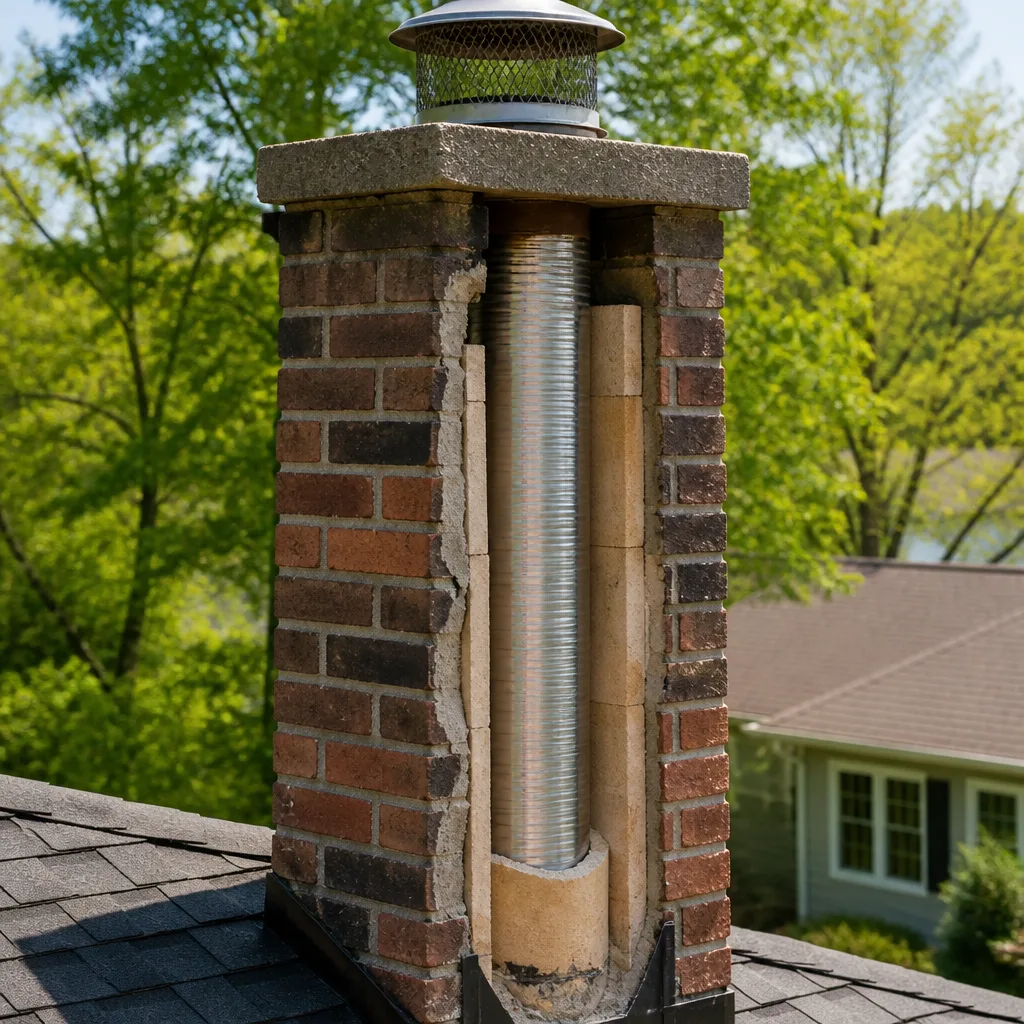 Flue relining
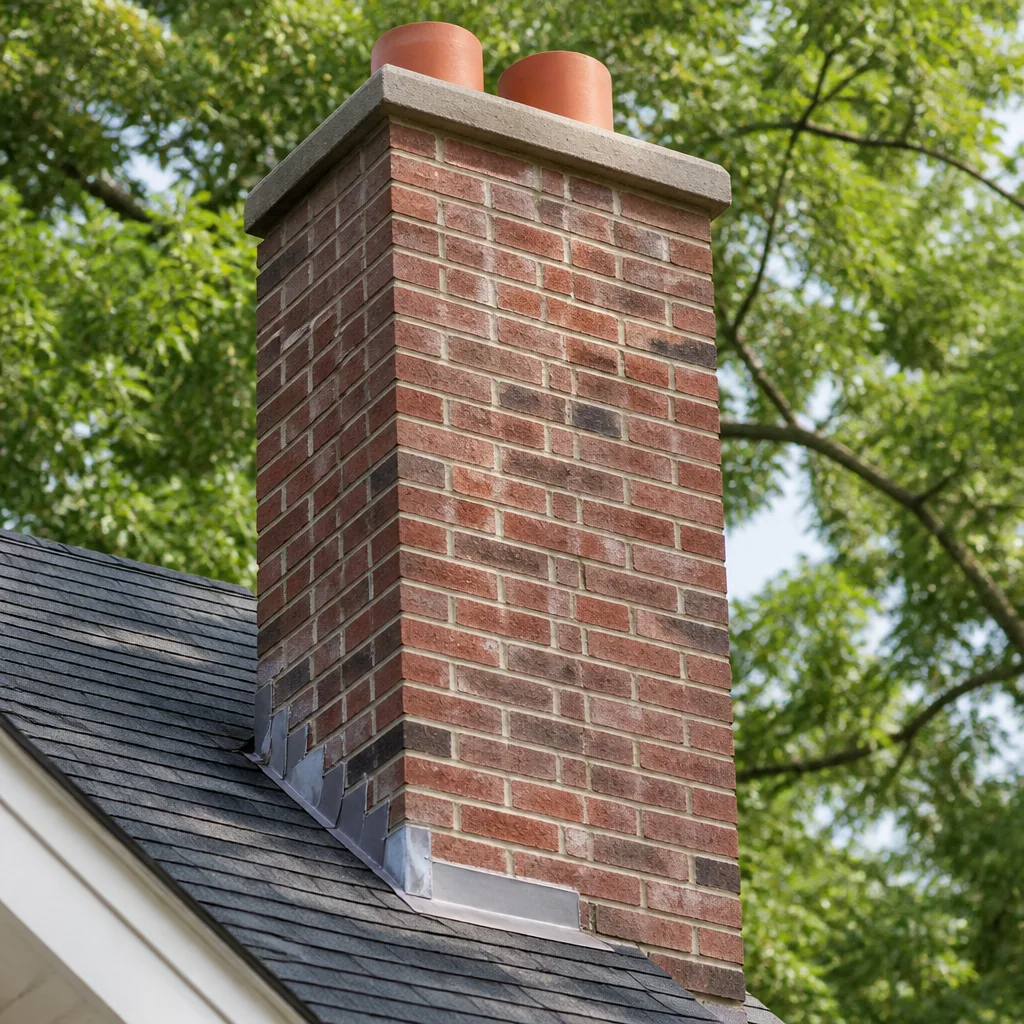 Masonry repair
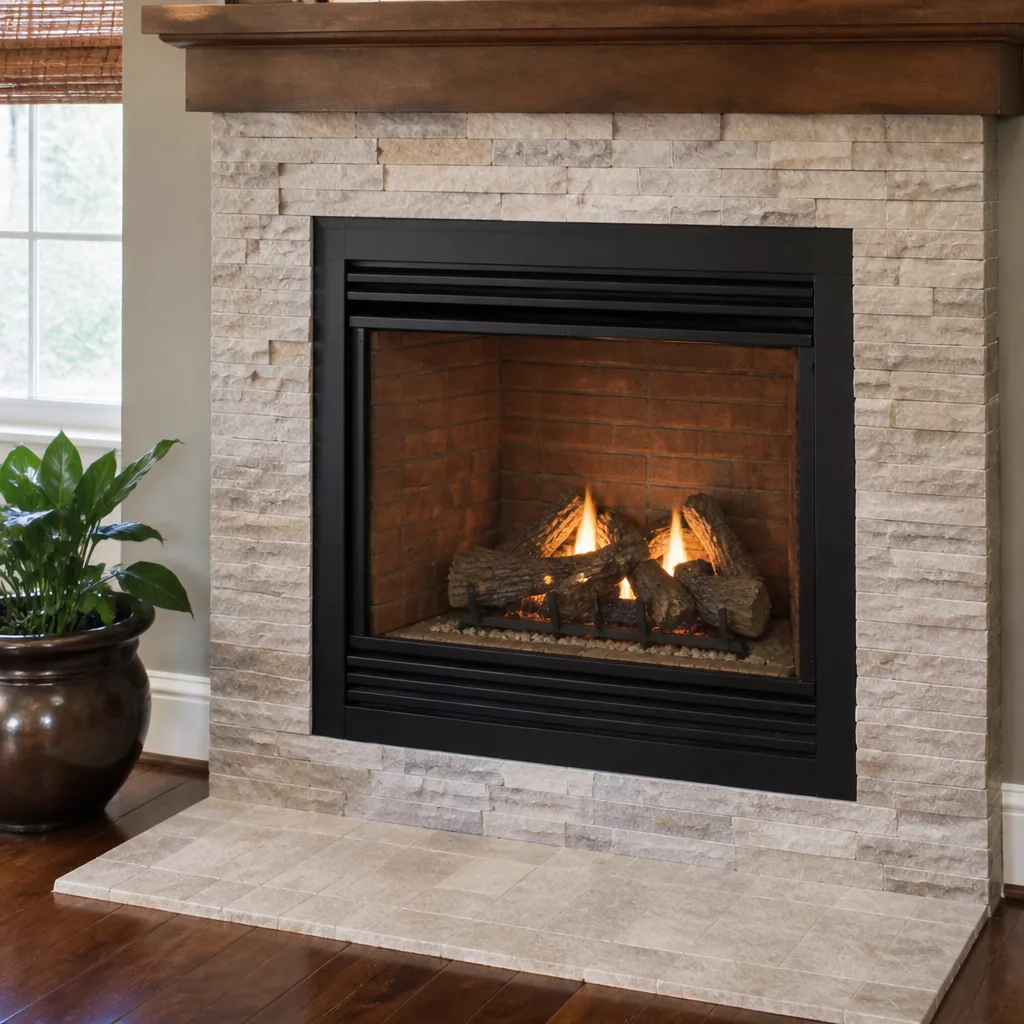 Gas fireplace service
Level 1 sweep and inspection to the NFPA 211 annual standard - flue, crown, cap, and flashing checked and photographed
Chimney sweep logs do not sweep chimneys. They loosen some creosote - which then falls where a brush and vacuum still have to collect it.
Chimney Cleaning Permits, Codes & Inspections in Kent, WA: What You Need to Know
Most homeowners in Kent assume every chimney project needs a permit, and others assume none do. Both are wrong, and the gap between those beliefs is where trouble starts. A cleaning is routine maintenance and doesn’t require a permit. Replacing a flue liner, rebuilding a firebox, or altering the venting system does, and skipping that step can follow you all the way to a buyer’s inspection years later. This guide explains exactly where the line sits under Washington State code, how the City of Kent handles permits for chimney work, when a Level 2 inspection is required by rule rather than common sense, and why the order of cleaning, inspection, and permit application matters more than most people realize.
Quick Answer
A chimney cleaning in Kent, WA does not require a permit. A liner replacement, firebox repair, or any structural change to the chimney does, and that work must be permitted through the City of Kent before it starts. A Level 2 inspection is required by NFPA 211 standards whenever a property changes hands, so if you’re selling in Kent, an inspection report needs to exist before closing day.
Styles & brands we work with
- Sweep & inspection
- Caps & crowns
- Flue relining
- Masonry repair
- Gas fireplace service
Table of Contents
- Cleaning vs. Repair: Where the Permit Line Sits in Washington
- How City of Kent Permits Differ From King County Rules
- What a Level 2 Inspection Actually Is and When Kent Owners Need One
- Why Unpermitted Chimney Work Can Void an Insurance Claim
- The Correct Sequence: Clean, Inspect, Then Permit
- What to Ask a Sweep Before Booking in Kent
- What Chimney Work Costs in the Kent Market
Cleaning vs. Repair: Where the Permit Line Sits in Washington
The distinction comes down to maintenance versus construction. Cleaning and debris removal are maintenance: you’re removing creosote, soot, and blockages without altering the structure. Liner replacement, firebox reconstruction, chimney cap installation on a modified crown, and flue resurfacing that changes the system’s integrity are all considered construction or alteration work under the Washington State Building Code, which adopts the mechanical and residential codes that govern chimney systems. That work requires a permit from the local authority having jurisdiction.
Where homeowners get confused is when a repair is small enough to feel like maintenance. A cracked flue liner section being resurfaced with HeatShield, for example, restores a barrier that protects your framing from heat and creosote from direct contact. That’s a repair, not a cleaning, and it belongs on a permit. A chimney cap replacement is closer to the line; a simple like-for-like cap swap usually doesn’t trigger a permit, but replacing an entire crown does.
The practical test we use when talking through a scope with a homeowner is simple:
- Does the work remove material without changing the structure? That’s cleaning, no permit.
- Does the work restore or replace part of the flue, firebox, or venting system? That’s repair, permit required.
- Does the work change venting configuration, height, or the appliance it serves? That’s alteration, permit required.
Here’s the part that catches people: cleaning often reveals repair work that was invisible beforehand. A sweep arrives to remove creosote and finds a failed liner joint or a firebox crack that wasn’t apparent from the living room. You didn’t call about a permit; you called about a cleaning. But the repair that follows absolutely needs one, and the sweep who performed the cleaning should be the person who tells you so.
Our technicians have up to experience, and the majority of that experience involves explaining to homeowners why the job they expected, and the job that often results from it, are two different things permit-wise.
How City of Kent Permits Differ From King County Rules
Kent is a full-service city with its own building department, which means permit applications for chimney and fireplace work go to the City of Kent, not to King County. This matters because homeowners who research permitting online often find county-level guidance and assume it applies. It doesn’t. Kent issues its own permits and performs its own inspections.
What’s the same as the broader county? The underlying code. The Washington State Building Code applies throughout Washington, including all of King County, so the definition of what requires a permit doesn’t change when you cross a city line. What changes is who reviews the application, what documentation the local office wants, and how inspection scheduling works once the job is complete.
What the Kent permit process usually looks like
- Determine the scope: liner replacement, firebox repair, or venting alteration, with a written description of what’s being installed or restored.
- Submit the application to the City of Kent’s building department along with project details and, in many cases, product documentation for the liner or component being installed.
- Obtain the permit before any work begins. Retroactive permits exist but are harder, slower, and more expensive.
- Complete the work and schedule the inspection, which typically occurs after the install but before the chimney is closed up or hidden by finishing.
- Keep the signed-off permit and inspection record with your home’s documentation.
That fifth step is the one people skip, and it’s the one that matters most at resale. A permit that was pulled but never finalized often shows up as an open permit on a title search, and open permits block closings until they’re resolved.
When we specify a liner system in Kent, we use professional-grade materials like DuraFlex because the installation documentation for those products is what a plan reviewer wants to see. Knowing the product, the manufacturer’s instructions, and the local submission process before the application goes in is what keeps a permitted job from stalling.
For a closer look at how the City of Kent handles building and permit submissions, check the city’s building department pages directly before assuming a timeline; the office publishes its own current requirements, and they’re updated more often than most third-party sites reflect.
What a Level 2 Inspection Actually Is and When Kent Owners Need One
A Level 2 inspection is a more thorough evaluation of the chimney than the basic visual check performed during routine service. It includes the accessible portions of the flue, the attic and crawlspace spaces where the chimney passes through, and it uses video scanning to look inside the flue itself. It’s the inspection type designed to find hidden defects: cracked liner tiles, gaps between sections, deteriorated mortar joints, and separation from combustible framing.
NFPA 211, the national standard for chimneys and vents, specifies certain conditions that call for a Level 2 inspection rather than a Level 1. Those conditions include:
- A property is being sold or transferred.
- An appliance change, such as converting from wood to gas or installing a new insert.
- A chimney fire has occurred, even a small one.
- An earthquake, severe storm, or other event that could have damaged the structure.
- Any change in how the chimney performs, such as draft problems or smoke backflow.
For Kent homeowners, the property sale condition is the one that matters most in practice. The Puget Sound region’s housing market moves quickly, and inspections happen on tight timelines. A chimney that passed casual observation for years can reveal a failed liner in a Level 2 scan, and that finding has to be disclosed and addressed before a buyer’s lender will fund the sale.
If a sale is on your horizon, book the inspection early. Kent real estate transactions typically allow limited time for inspection contingencies, and a rushed chimney evaluation either gets skipped or gets done without the video scan that would have caught the problem. Neither outcome helps you.
The good news is that a Level 2 inspection also serves as the natural foundation for everything else this guide covers. It tells you what the chimney actually needs, which in turn tells you whether a permit is required. Without that report, you’re guessing.
Contents of a Level 2 report should include photos or video captures of the flue interior, a description of what was and wasn’t accessible, and a plain-language statement of any defects found. If a company hands you a one-page summary with no images and a recommendation to reline, ask questions before agreeing to anything. We provide photo documentation as a standard part of inspection so homeowners can see what the sweep saw.
Why Unpermitted Chimney Work Can Void an Insurance Claim
If a chimney fire occurs and the cause traces to unpermitted repair work, an insurer can deny the claim on the grounds that the work was never inspected or approved. This isn’t hypothetical. Most homeowner policies contain clauses requiring that improvements to the home meet code and be properly permitted. Work done outside that framework gives the adjuster grounds to reduce or refuse a payout on the very structure you paid to have repaired.
The chain usually looks like this:
- A homeowner has a cleaning scheduled and the sweep finds a liner defect.
- The liner gets replaced without a permit, sometimes quickly and informally.
- Years pass with no issue, and the homeowner forgets the repair was never documented.
- A chimney fire or carbon monoxide incident occurs and the insurer investigates.
- The absence of a permit record and inspection sign-off becomes the basis for a coverage dispute.
Carbon monoxide risk deserves its own mention here. A liner that fails or is improperly installed can allow combustion gases to escape into the home’s living space rather than up and out the flue. That’s why venting work is code-regulated in the first place. This isn’t about paperwork for its own sake; it’s about the vent system doing the one job it exists to do.
If you’re unsure whether past chimney work at your Kent home was permitted, you can check permit history through the City of Kent’s building department records. A missing record doesn’t automatically mean the work was bad, but it does mean you have no third-party confirmation that it was done to code. For a home you plan to sell, that verification is worth having in hand before a buyer starts asking.
Insurers also ask for documentation at claim time, not after. Keep your permit, inspection report, and product documentation together with your home records. If a future owner asks whether the liner in your chimney was properly installed, that paper trail is the answer.
The Correct Sequence: Clean, Inspect, Then Permit
Order matters. Doing the steps out of sequence costs time, money, and sometimes a second visit to redo something that can’t be permitted after the fact. Here’s the sequence that keeps a project on track:
- Clean first. Creosote, soot, and debris obscure defects. A sweep performed before the inspection means the technician can actually see the flue interior rather than looking at a coating of deposit that hides cracks and gaps.
- Inspect second. With the flue clean, a Level 1 or Level 2 inspection can accurately assess condition. This produces the report that tells you what work is required.
- Determine permit scope third. Compare the inspection findings to the maintenance-versus-repair line described earlier. Cleaning-related items need no permit. Structural repair or liner replacement does.
- Apply for the permit fourth. Submit the application to the City of Kent with the inspection report and product documentation attached. Reviewers move faster when the scope and materials are clearly described.
- Perform the permitted work fifth. The repair or relining occurs under the permit, with materials specified for the application.
- Inspect and close the permit last. Schedule the city inspection once the work is complete and before anything conceals it.
Why does cleaning before inspection matter so much? Because a Level 2 inspection on a heavily fouled flue can produce an incomplete picture. The camera sees the deposit wall, not the liner surface beneath it. We’ve also seen the reverse problem: a cleaning scheduled as routine maintenance that reveals a defect the homeowner then wants addressed immediately, with no report in hand to submit to the city. That second scenario isn’t a disaster, but it means an extra step.
One more sequencing point worth knowing: if a sale is moving quickly, don’t wait to be asked for a Level 2 report. Get it done alongside your normal pre-sale preparation, because chimney sweep appointments book up around the busiest transaction months, and a sweep is usually the first thing to schedule, not the last.
Level 2 Inspections at Property Sale in Kent deserve their own calendar slot, separate from the standard seasonal cleaning. Combining them into one visit is often possible, but only if you plan for it and let the company know in advance which inspection type the transaction requires.
What to Ask a Sweep Before Booking in Kent
Not every chimney professional is set up to handle the full scope this guide describes. Some companies clean well and refer repairs elsewhere. Others perform repairs but don’t provide the documentation a permit application needs. Since a cleaning can uncover work that requires a permit, the company you hire for the cleaning matters even when you only booked a cleaning.
Questions worth asking before you schedule:
- Can you perform a Level 1 and a Level 2 inspection, or only routine cleaning?
- Do you provide photo or video documentation of what you find?
- When a repair is needed, can you handle the permit application and the work itself, or will I need a second company?
- What materials do you specify for liner and flue work?
- Will the report I receive be suitable to submit with a permit application or provide to a buyer?
On the materials question, the answer tells you a lot. Liner and venting components sourced from professional-tier suppliers behave predictably and come with the documentation plan reviewers want to see. We work with DuraFlex liner systems, HeatShield flue resurfacing, and Copperfield venting components for exactly that reason. Big-box substitutes are a real problem in chimney work because the failure mode – an improperly fitted liner or vent component – often doesn’t show up until years later.
Also ask whether the company will tell you when work can wait. Not every defect found in an inspection needs to be repaired immediately, and an honest assessment should say so plainly. A sweep who recommends relining after every cleaning is a sweep worth questioning.
What Chimney Work Costs in the Kent Market
Pricing for chimney work varies by the scope of the job, the materials involved, and the permit requirements for the work described. Standard pricing is set per job by a written estimate, and a free estimate is part of the process. For a cleaning, the visit is routine. If cleaning uncovers a repair that needs a permit, the estimate should separate the cleaning cost, the repair cost, and any permit fees that the city charges, so you can see what you’re paying for.
Here’s what we’d tell a homeowner to expect on the timeline side. A standard cleaning and Level 1 inspection usually happens in a single visit. A Level 2 inspection takes longer because of the video scanning and the attic and crawlspace access. Permitted repair work involves the city review period, which varies, plus the inspection after the work is done. If you’re coordinating around a sale or an insurance requirement, start the process earlier than you think you need to.
One cost-related point that surprises people: a permit obtained before work begins is generally less expensive and simpler than a retroactive permit obtained afterward. Cities charge fees for late permits and sometimes require additional documentation or inspection to verify the work meets code when it wasn’t inspected at the time it was done. Getting the permit up front is both compliant and cheaper.
Common Mistakes to Avoid
- Assuming a cleaning covers everything. A sweep removes creosote; it doesn’t assess the liner, firebox, or venting configuration in the depth an inspection does. Book both when there’s any question about the chimney’s condition.
- Treating liner replacement as maintenance. Replacing a liner is construction work under Washington code and requires a permit through the City of Kent. A repair performed without one can complicate resale and insurance claims later.
- Skipping the Level 2 inspection before sale. NFPA 211 specifies a Level 2 inspection at property transfer. If you’re selling in Kent, order it early rather than waiting for the buyer’s inspector to ask.
- Repairing before inspecting. Cleaning first, then inspecting, then permitting, keeps the report accurate and the repair scope correct. Doing the repair first is working off an incomplete picture.
- Not keeping the permit records. A signed-off permit and inspection record belong with your home’s documentation. It’s the difference between a documented repair and an open question at claim time.
- Letting a sweep talk you into work without evidence. A recommendation to reline should come with photo or video documentation you can see for yourself. If you can’t be shown the problem, don’t agree to fix it.
- Waiting until the sale is under contract to address the chimney. Kent transactions move quickly, and a chimney issue discovered during an inspection contingency creates pressure that leads to rushed or unpermitted fixes.
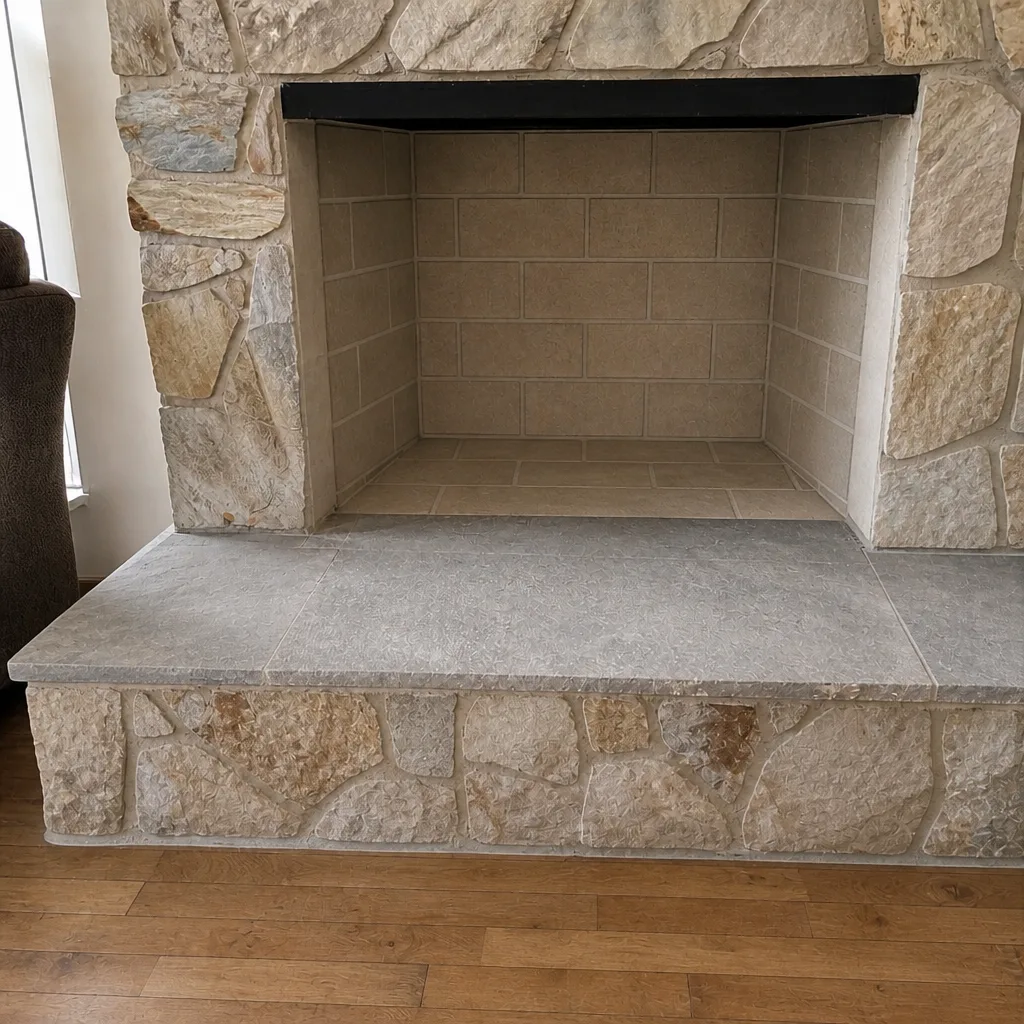
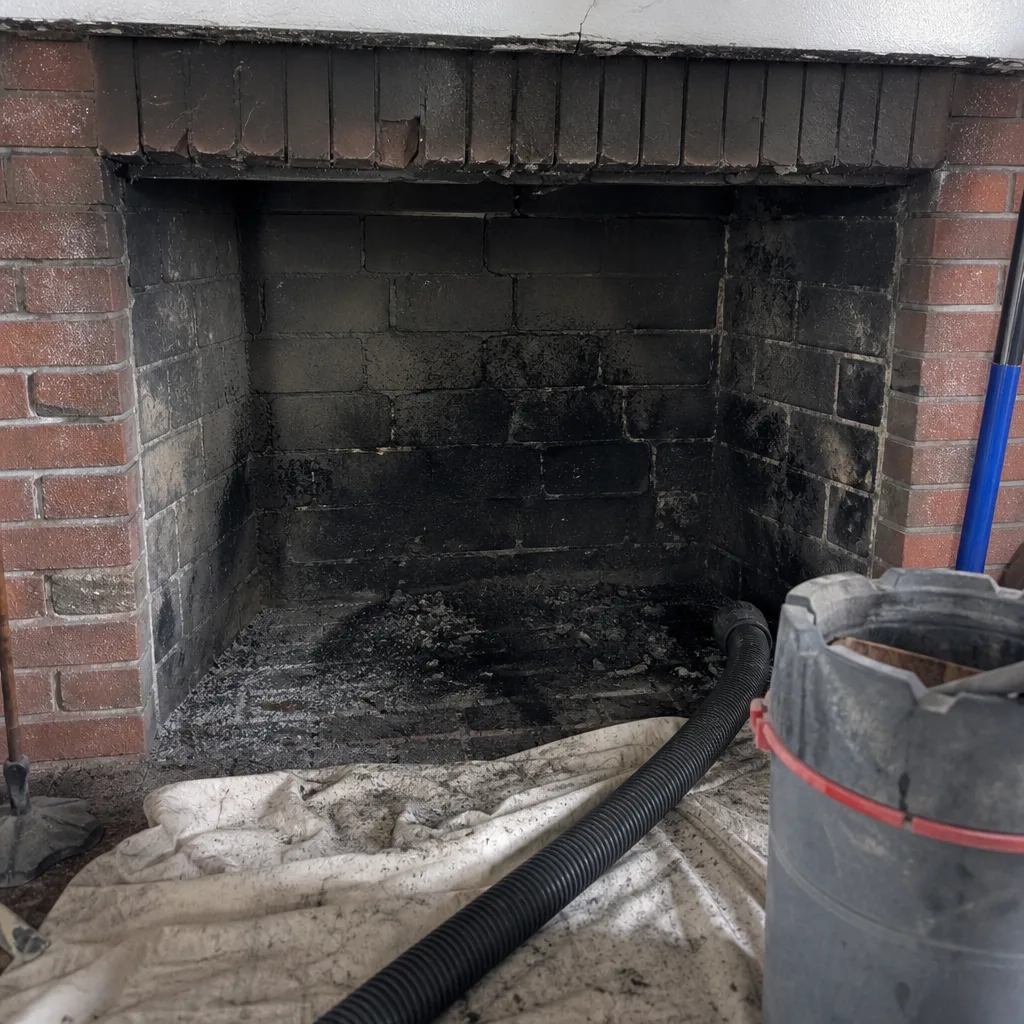
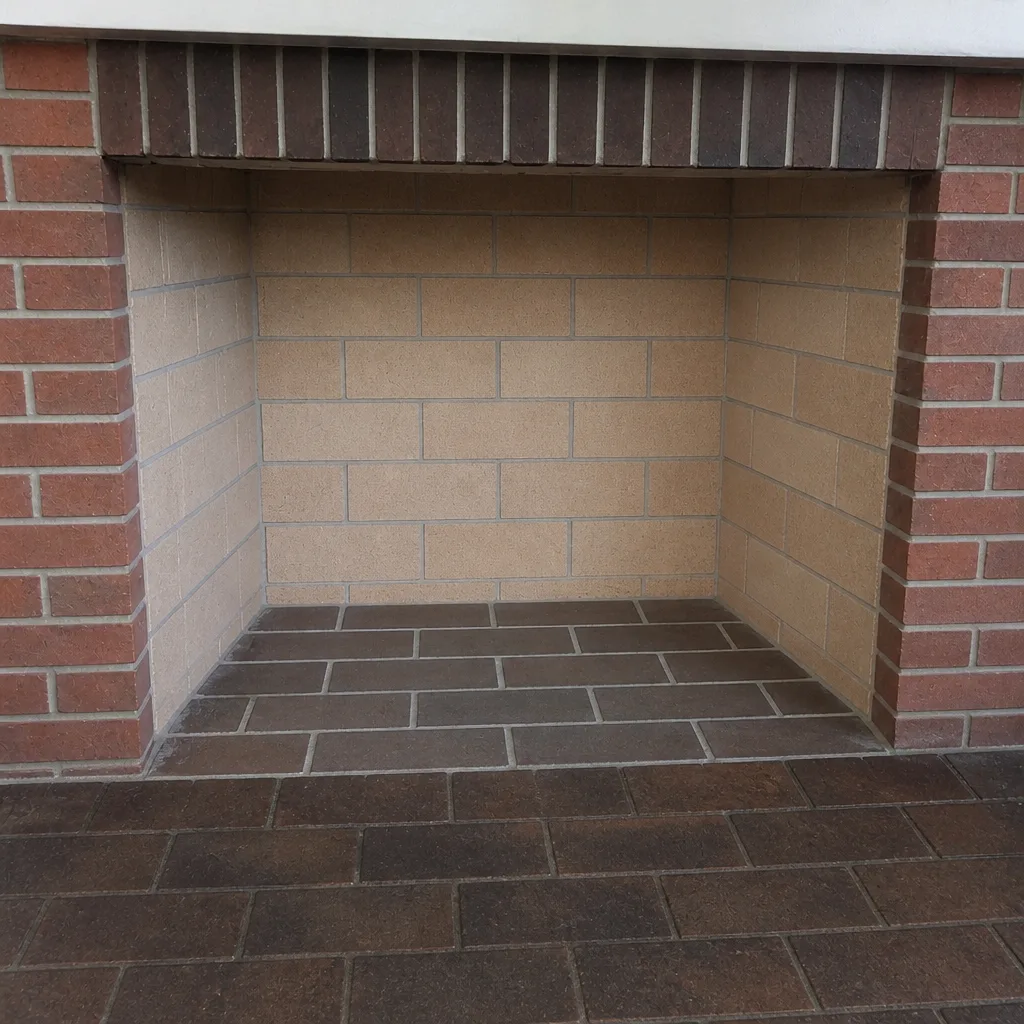
See the difference
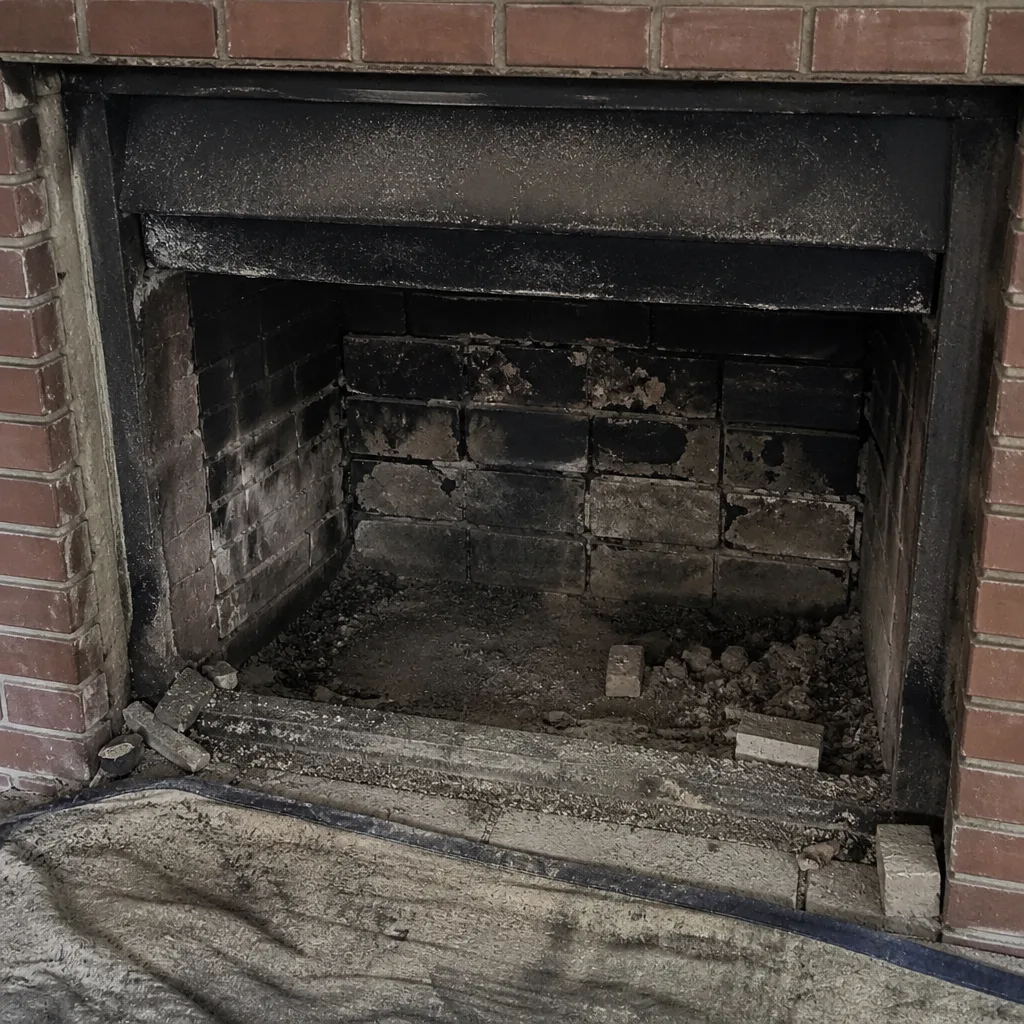 Before
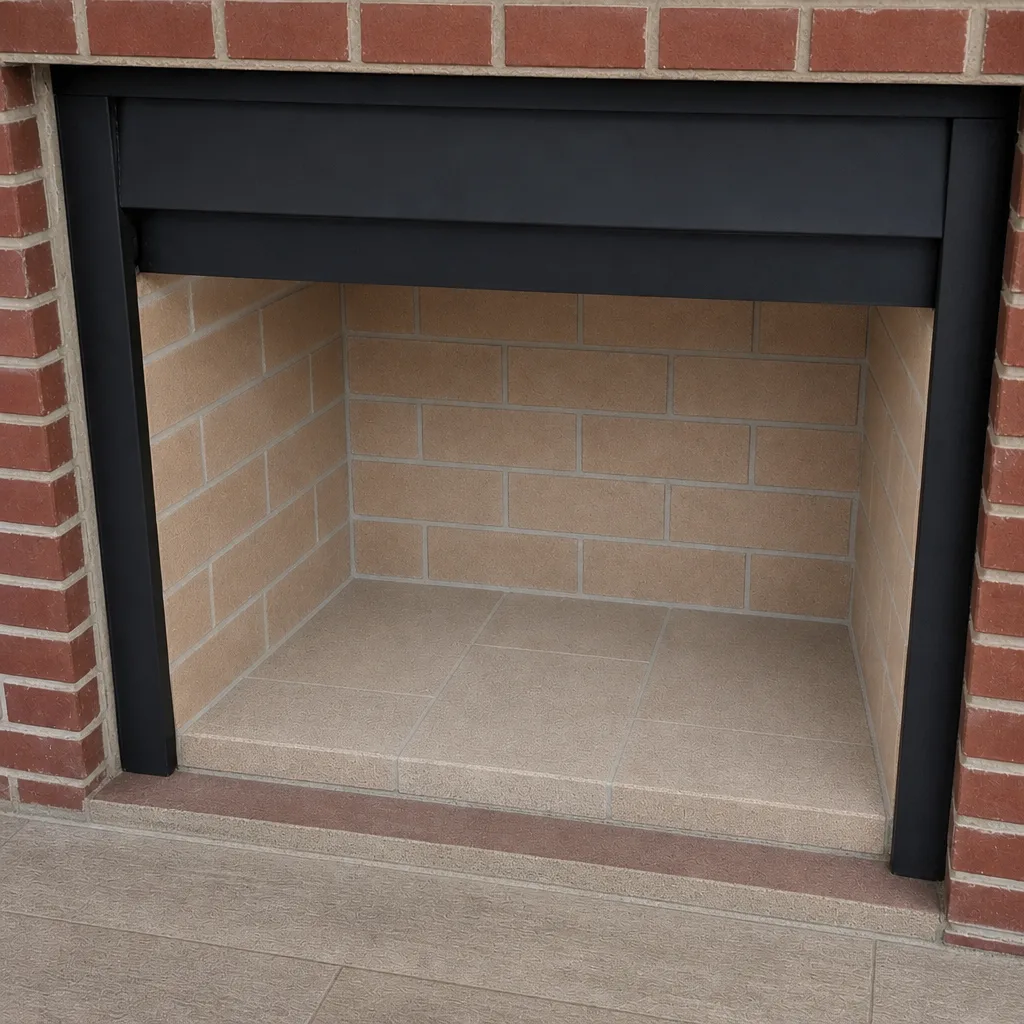 After
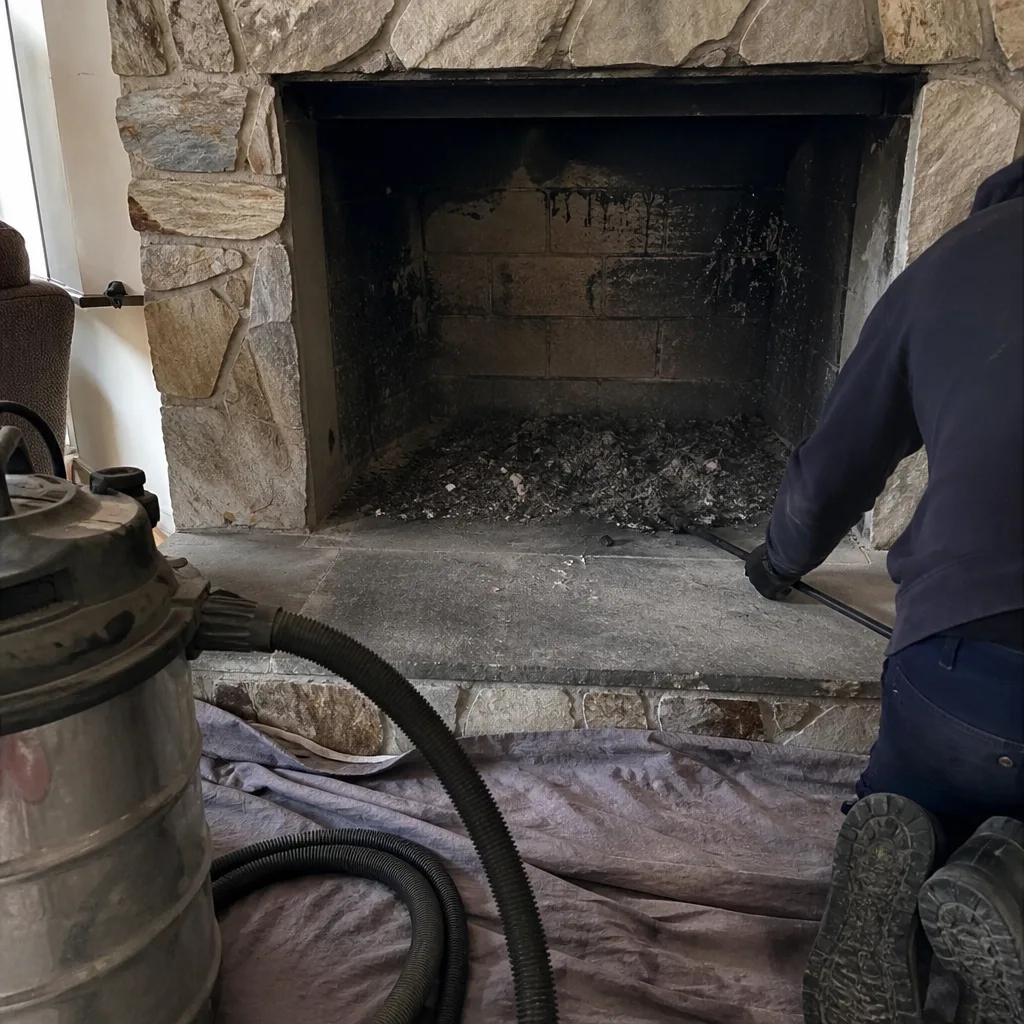 Before
 After
 Before
 After
When to Call a Professional
Call a professional when you’re due for a cleaning and haven’t had one, when you’re preparing to sell and need a Level 2 inspection report, when you’re converting from wood to gas or installing an insert, or when you’ve noticed draft problems, smoke backflow, or a smell that wasn’t there before. Carbon monoxide alarms sounding near a fireplace or stove warrant immediate attention; combustion gases escaping into a living space is a safety issue, not a maintenance one. And if you’re unsure whether a past repair was permitted, that’s worth a call too, because it’s far easier to sort out before it becomes a transaction problem.
Chimney Sweep Kent offers free estimates in Kent: call (866) 942-7714. We answer 24/7. Fast dispatch from 7am to 7pm, Sunday through Friday. One company handles the sweep, the inspection, and any permitted repair work, so there’s no hand-off to a second contractor mid-project. Our technicians have up to experience, and we show you what we find before recommending anything.
Frequently Asked Questions
No. Chimney cleaning is routine maintenance and does not require a permit from the City of Kent. A permit becomes necessary when the work turns into repair or alteration: liner replacement, firebox repair, flue resurfacing, or any change to the venting system. If the cleaning reveals one of those issues, that’s the point to discuss permitting. Call (866) 942-7714 for an exact quote – estimates are free.
A cleaning is priced per job by a written estimate, and the estimate is free. The cost depends on the scope of the work and what the visit uncovers, so an accurate figure requires looking at the chimney rather than quoting a number over the phone. Call (866) 942-7714 for an exact quote – estimates are free.
A Level 2 inspection is required under NFPA 211 when a property is sold or transferred, when the appliance changes, after a chimney fire, or when the chimney’s performance has changed. The sale condition is the one most Kent homeowners encounter. It’s a more thorough evaluation that includes video scanning of the flue and inspection of accessible attic and crawlspace areas. Call (866) 942-7714 for an exact quote – estimates are free.
Unpermitted repair can complicate a future sale and can give an insurer grounds to dispute a claim if a chimney fire occurs afterward. It can also surface as an open permit on a title search, which blocks closing until resolved. Obtaining the permit before work begins avoids all of that, and it’s generally less expensive than a retroactive permit. Call (866) 942-7714 for an exact quote – estimates are free.
No. We don’t recommend repair work until we have photo or video evidence of the problem, and we show that evidence before quoting anything. If the work can safely wait, we say so. You see what’s wrong, you see the options, and you decide. Call (866) 942-7714 for an exact quote – estimates are free.
NFPA 211 recommends annual inspection and cleaning as needed based on use. A fireplace used regularly through the heating season needs a sweep more often than one used occasionally. Annual inspection keeps the assessment current without assuming cleaning is needed every year. Call (866) 942-7714 for an exact quote – estimates are free.
A full-service chimney company can handle the cleaning, the inspection, the permit application, and the repair work without handing you off. When you’re vetting a company, ask whether they do all of it or refer the repair elsewhere. Chimney Sweep Kent handles the sweep, the inspection, and the repair in one project: call (866) 942-7714.
The Bottom Line
Chimney cleaning in Kent doesn’t require a permit, but the repairs a cleaning often uncovers do. Liner replacement, firebox repair, and venting changes fall under Washington State Building Code and need a permit through the City of Kent before work begins. A Level 2 inspection is required at property transfer, so sellers should schedule it early rather than waiting for a buyer’s inspection contingency. Unpermitted chimney work can complicate both resale and insurance claims, and retroactive permits cost more than doing it right the first time. Clean first, inspect second, permit the repairs, and keep the records. That sequence protects your home and your transaction.
Call (866) 942-7714 for a free estimate. We answer 24/7, and fast dispatch runs from 7am to 7pm, Sunday through Friday.
Written by the team at Chimney Sweep Kent.