
Last updated November 15, 2026
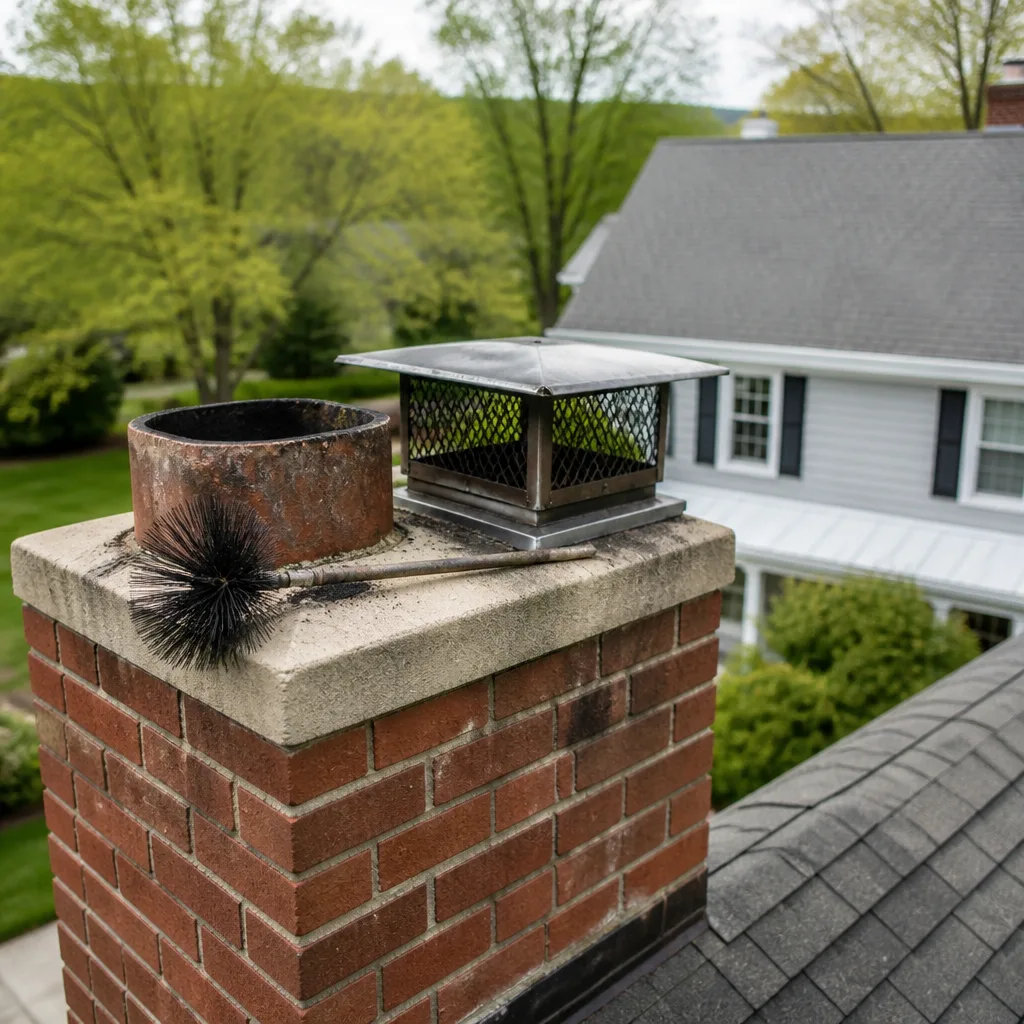 Sweep & inspection
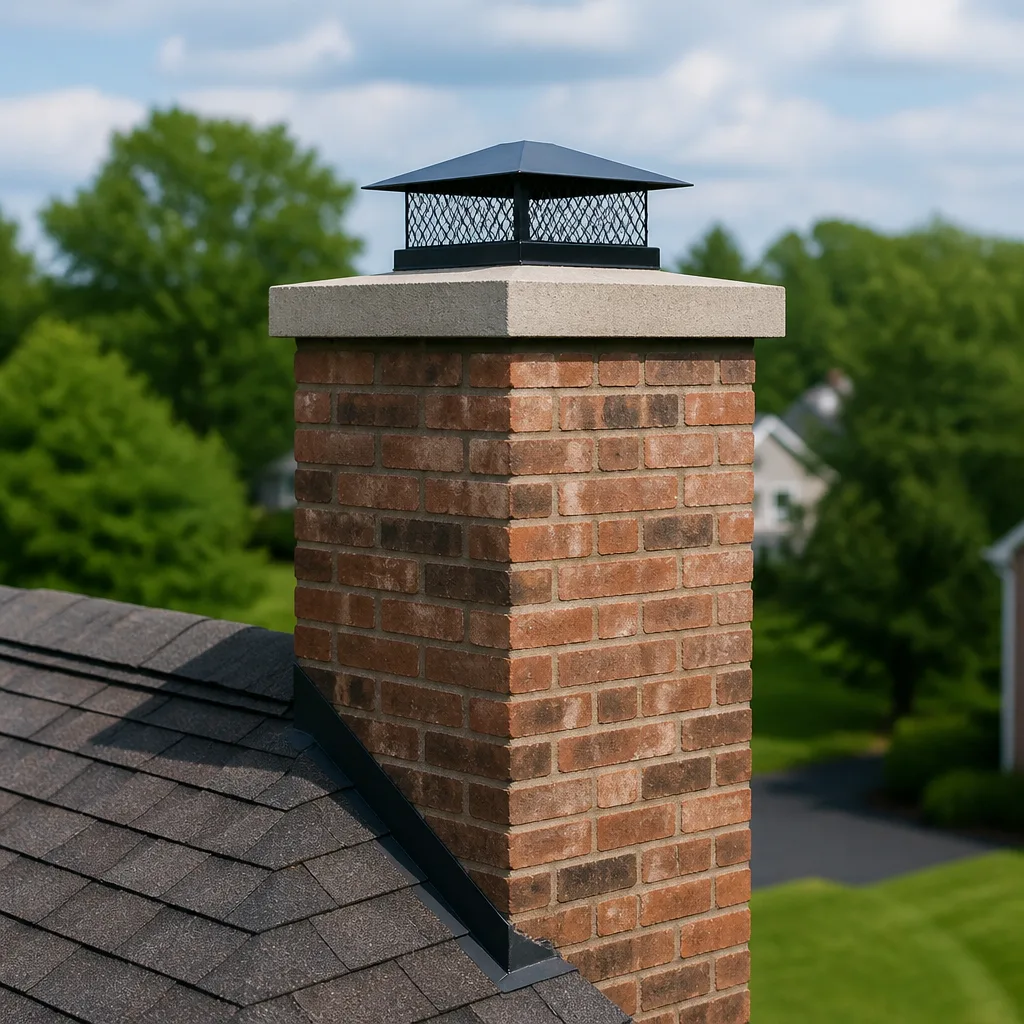 Caps & crowns
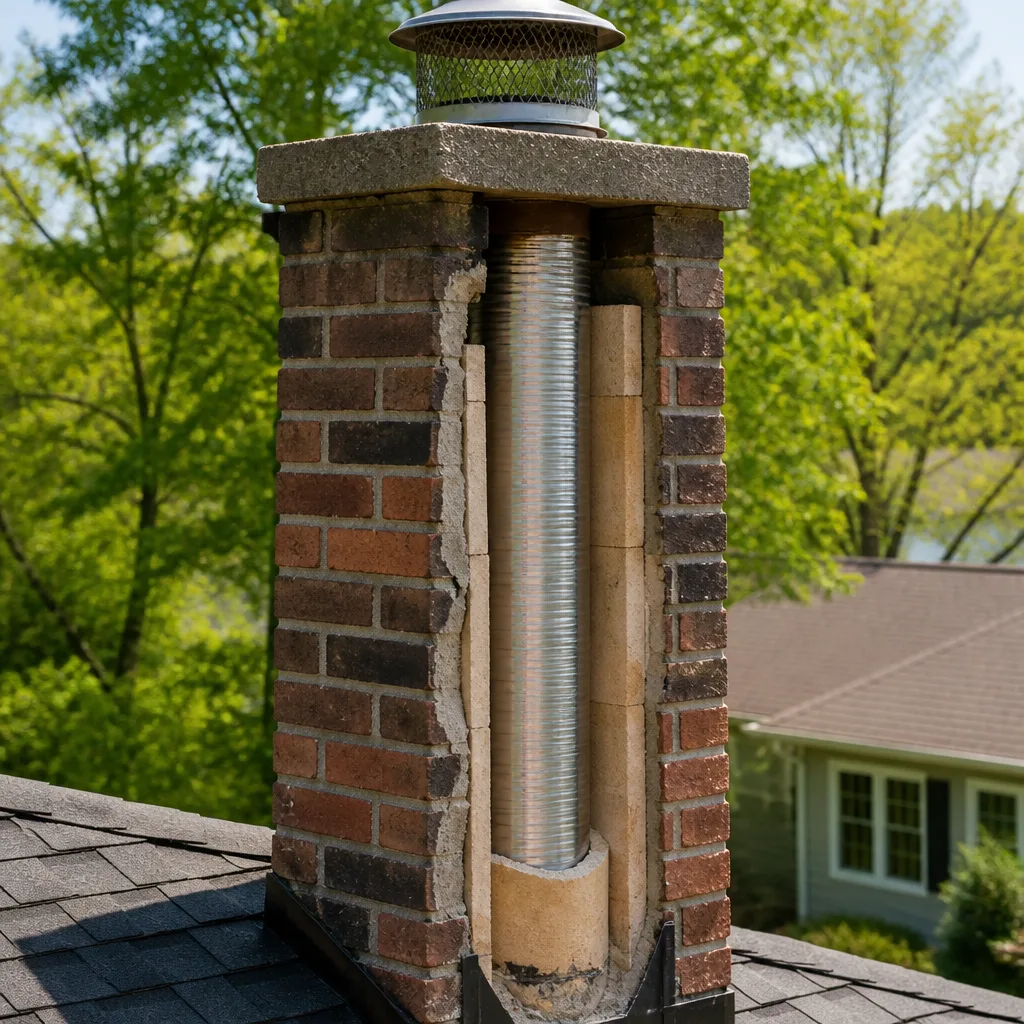 Flue relining
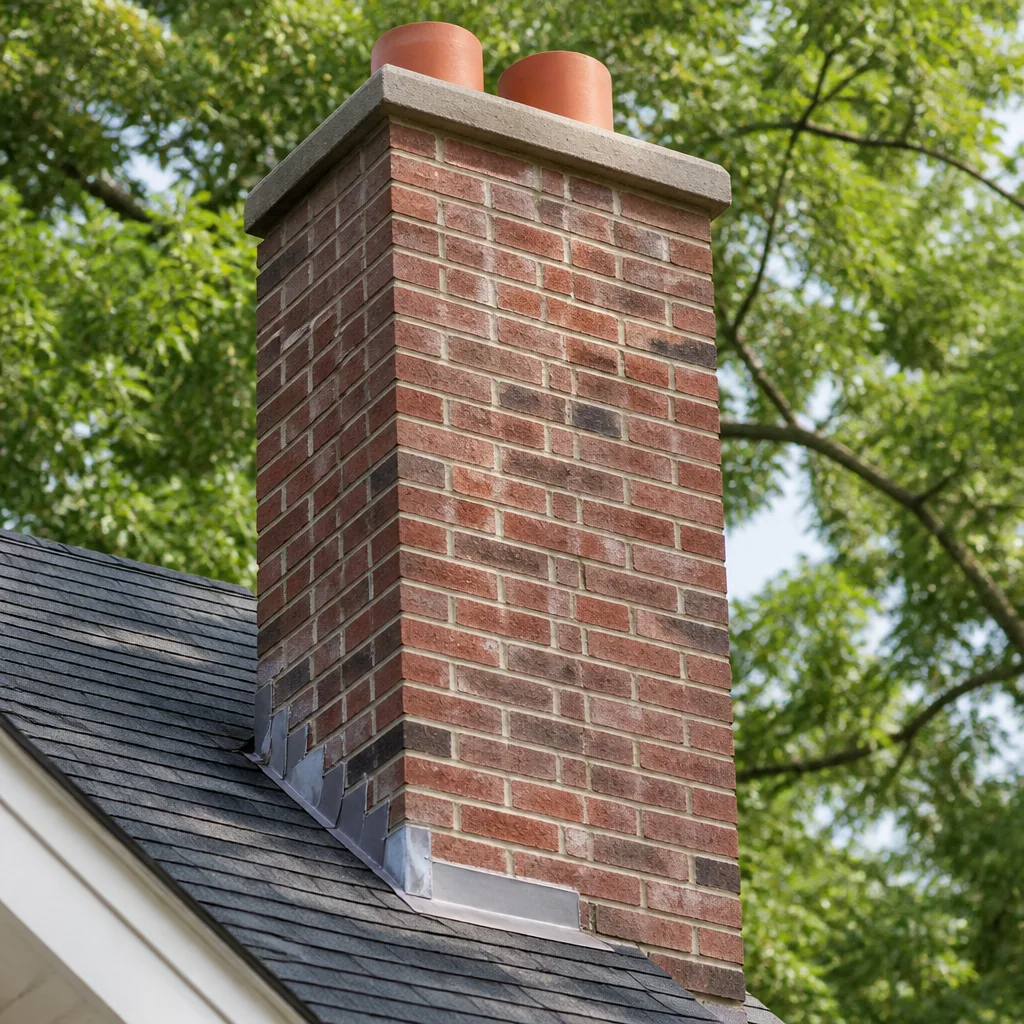 Masonry repair
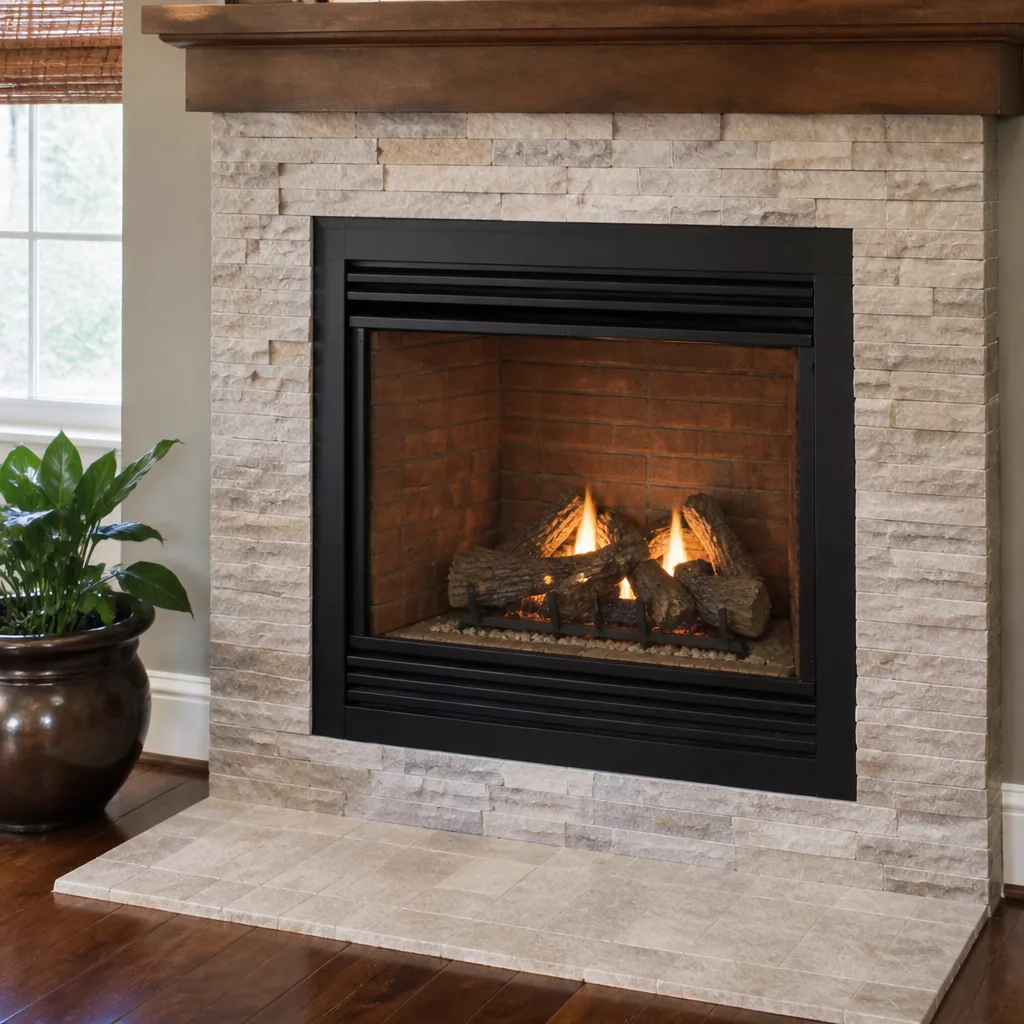 Gas fireplace service
Level 1 sweep and inspection to the NFPA 211 annual standard - flue, crown, cap, and flashing checked and photographed
Chimney sweep logs do not sweep chimneys. They loosen some creosote - which then falls where a brush and vacuum still have to collect it.
Chimney Sweep Troubleshooting in Kent: Common Problems and How to Fix Them
Smoke rolling into a living room usually sends people straight to the phone, convinced the flue is packed with creosote. Sometimes it is. But in our experience, a good share of backdraft complaints trace back to something simpler: a damper left closed, a damper that no longer seals, or a house that has become too tight for the chimney to pull properly. Treating every symptom as “needs a sweep” wastes money and skips the real cause. This guide is built as a troubleshooting tool rather than a warning. You’ll learn to read the symptoms your chimney gives you, match each one to the likely cause, separate the fixes you can handle yourself from the ones that need a trained sweep, and understand why Kent’s wet climate pushes certain problems faster than dry ones. By the end, you’ll know what’s worth a phone call and what isn’t.
Quick Answer
Most chimney problems in Kent fall into four groups: draft and smoke issues (damper, blockage, or house pressure), smell issues (creosote, moisture, or a blocked flue), moisture damage (spalling brick, efflorescence, rusted components), and structural wear (cracked liner, failed mortar, damaged cap). Match the symptom to the group first, then check the specific causes within it. A closed or warped damper, a clogged cap screen, and negative pressure from a tightly sealed house cause more smoke complaints than heavy creosote does, and each has a different fix. Anything touching the flue liner, the firebox, or the structure of the chimney needs a professional, and we’ll show you where that line is.
Styles & brands we work with
- Sweep & inspection
- Caps & crowns
- Flue relining
- Masonry repair
- Gas fireplace service
Table of Contents
- Symptom-to-Cause Map: What Is Your Chimney Actually Telling You?
- Smoke Backing Into the Room: The Damper, Blockage, and Pressure Checklist
- Weak Draft and Poor Burn: Why Fires Struggle to Catch
- Chimney Smells: Creosote Odor vs. Moisture vs. Dead Air
- Why Kent’s Wet Climate Accelerates Spalling and Liner Damage
- Damper Problems: Stuck, Warped, and Missing
- Caps, Crowns, and Water Entry: What Fails First
- Creosote Stages and When Sweeping Is Overdue
- The Decision Tree: Diagnose Before You Call
Symptom-to-Cause Map: What Is Your Chimney Actually Telling You?
Chimneys rarely fail silently. They announce a problem through a small set of symptoms: smoke, smell, draft loss, water stains, or visible deterioration. Each symptom narrows the list of likely causes before anyone climbs a ladder. Think of it the way a technician reads a furnace or an engine – the symptom points to a subsystem, and the subsystem points to the part. The same logic works for a chimney in Kent.
Here’s the map we use, and you can apply it before you book anything:
- Smoke rolling back into the room usually points to a closed or warped damper, a blocked flue (cap screen, bird nest, fallen mortar), or a pressure imbalance inside the house. Creosote is possible but far from the only suspect.
- Weak draft and smoky startups point to a flue that’s too cold, too short, too narrow for the appliance, or obstructed at the top.
- Smell in summer or on humid days points to creosote odor, moisture reacting with soot, or a flue that has become sealed and stagnant.
- White chalky stains on exterior brick (efflorescence) point to moisture moving through the masonry.
- Flaking or crumbling brick faces (spalling) point to repeated freeze-thaw cycles driving moisture into the brick.
- Rust on the firebox, damper, or cap points to water entry, usually from a failed crown or missing cap.
None of those symptoms tells you the age of the chimney or the exact part that failed. What they do is cut the list of causes down to a handful, so the conversation with a sweep starts in the right place. When you look up chimney problems in Kent WA, most of what you’ll read jumps straight to “have it swept,” which skips this step entirely.
Smoke Backing Into the Room: The Damper, Blockage, and Pressure Checklist
Smoke backing into the room is a draft problem, not automatically a cleaning problem. Before anyone climbs on the roof, check three things in order: the damper, then the flue opening at the firebox, then the pressure balance in the house. Roughly 40% of backdraft complaints we hear about turn out to be the damper – closed when it shouldn’t be, warped so it doesn’t open fully, or jammed with soot so it can’t serve as much air as the fire needs. The damper is the first thing to rule out because it’s the cheapest to fix and the easiest to check.
Step 1: Check the Damper
Open the damper fully and hold a flashlight up. If the flue looks blocked by soot or a fallen object, stop there. If the flue looks clear but the damper plate won’t swing freely, or if the plate has warped so it can’t fully clear the throat, that’s your problem. A warped damper is common on older fireplaces where the cast iron has had a lot of hot cycles, and modern replacement dampers from Famco and Copperfield are a routine fix.
Step 2: Check for a Flue Obstruction
Look up the flue with the damper open. If you can see daylight from the top, the flue is likely clear. If you can’t, or if you see debris on the smoke shelf behind the damper, there’s a blockage. Cap screens are the usual suspects – a screen that’s fine in July can clog with leaves, twigs, and creosote flakes by winter. Nests are common too. Blocked caps are a chimney sweep job, and the repair is usually quick.
Step 3: Check House Pressure
This is the step almost every troubleshooting guide skips. A modern home in Kent with recently upgraded insulation, new windows, and tight weatherstripping behaves like a sealed box. When a bath fan, kitchen hood, or dryer runs, it pulls air out of the house – and the fireplace has to compete for air with everything else. If your chimney only backdrafts when a fan is running, or only during cold snaps, the issue is negative pressure, not a failed chimney. Crack a window near the fireplace and see if the smoke reverses. If it does, the chimney is fine; the house needs more makeup air, and we can talk through options that include a top-sealing damper or an outside air kit.
Weak Draft and Poor Burn: Why Fires Struggle to Catch
A fire that smolders instead of climbing, or one that takes twenty minutes to catch, has a draft problem. Draft is the difference in pressure between the firebox and the top of the flue – a chimney is essentially a machine that uses warm air rising through a column of flue to pull smoke out. If any part of that equation breaks down, the fire suffers long before any visible smoke appears.
The most common causes of weak draft we see in Kent:
- A cold flue. Chimneys in unheated parts of the house start cold. Warm air rises; cold air doesn’t. A quick preheat with rolled newspaper gets the flue moving before the wood goes in.
- Flue too short for the appliance. A wood stove or insert with a high firebox needs a longer flue to pull properly. If the stove was added without checking the venting, the flue may simply be undersized.
- Flue too wide for the firebox. Oversized flues are lazy. Air gets up the sides without passing over the fire, and the smoke doesn’t get lifted.
- Partial obstruction. A cap screen that’s half-clogged, or creosote built up along one wall of the flue, cuts the effective diameter of the flue and hurts draft before it’s fully blocked.
- Rough pipe interior. A flue with damaged liner joints or built-up creosote creates turbulence. Smooth pipes pull better than rough ones.
In our experience, weak draft on a new-to-you fireplace is usually a flue sizing problem or a cold-flue problem, not a sweeping problem. Sweeping helps when creosote has narrowed the flue, but if the flue was never sized right, sweeping won’t fix the draft – you need a professional assessment. A camera inspection shows the actual interior, which is how we tell the difference between “the flue is dirty” and “the flue is the wrong shape for the appliance.”
Chimney Smells: Creosote Odor vs. Moisture vs. Dead Air
Chimney smell in summer or on a warm, humid day is one of the most common complaints we hear about, and it’s almost never a sign the chimney is unsafe. The smell is a symptom, and the kind of smell matters:
- A sharp, tarry, smoky smell is creosote odor. Creosote absorbs moisture from the air, especially on humid days, and releases it as a smell. The stronger the smell, the more creosote is sitting in the flue. A sweep removes it.
- A musty, damp, or earthy smell is moisture. Water is getting into the masonry, either through a failed cap, a cracked crown, or brick that’s been absorbing rain. The fix is on the exterior, not the interior.
- A stale, slightly sour smell on a fireplace that hasn’t been used in a while is “dead air.” The flue has become sealed and stagnant from disuse and cold, wet air. A light sweep and a check of the cap usually resolve it.
- A dead-animal smell is an obstruction. Something has gotten into the flue – usually through a missing or damaged cap – and it needs to be removed before the fireplace is used again.
If the smell is strongest when you walk past the fireplace in July, the cause is almost always creosote or moisture. If the smell only appears when the fire is running, treat it as a draft problem and read the backdraft section above. And if the smell comes with a headache or dizziness while a fire is burning, stop using the fireplace and treat it as a possible venting failure – call a professional before anything else.
Why Kent’s Wet Climate Accelerates Spalling and Liner Damage
Moisture is the single biggest driver of chimney damage in Kent, and the region’s wet, cool climate accelerates every moisture-driven problem. A chimney in a dry, hot climate might go years between masonry issues. A chimney in Kent faces rain for months at a stretch, and every freeze-thaw cycle in winter works on whatever water has gotten in.
The damage pattern looks like this:
- Water enters through the top. A cracked crown, a missing cap, or a failing mortar joint lets water into the masonry.
- The brick absorbs the water. Brick is porous. It takes on water on the rainy side of the chimney first, which is why damage often starts on one side and spreads.
- Efflorescence appears. As water moves through the brick, it carries dissolved salts to the surface. Those salts dry into white, chalky stains. Efflorescence looks cosmetic but is the first visible sign of a moisture problem.
- Spalling starts. When water in the brick freezes, it expands. Repeated freeze-thaw cycles push the surface of the brick outward until it flakes off. Spalling is the point where the damage moves from surface to structure.
- The liner is next. Moisture in the chimney eventually reaches the flue liner. Clay liners crack under this stress. Metal liners corrode. Either way, a compromised liner is a venting hazard, not a cosmetic issue.
In our experience, the chimneys that show the worst spalling in Kent are usually ones without a cap and with a crown that’s no longer shedding water. Getting a proper cap on and repairing the crown is the cheapest form of prevention. Capping isn’t glamorous, but it stops the cycle. When a flue liner has already cracked from moisture stress, we assess whether chimney repair using a HeatShield resurfacing can restore it before we recommend a full relining. HeatShield is a non-invasive option that works when the liner is still structurally sound but has surface cracking – a full DuraFlex relining is the answer when the liner is beyond resurfacing.
Damper Problems: Stuck, Warped, and Missing
A stuck or warped damper is the most common cause of “my chimney is smoking” complaints, and it’s also one of the easiest fixes. A damper is the metal plate at the top of the firebox that opens to let smoke up and closes to keep heat in. When it works, you don’t think about it. When it doesn’t, smoke finds its way into the room.
How to Tell If Your Damper Is Failing
- It won’t open fully. The lever moves but the plate only partly clears the throat. Smoke can’t get up fast enough.
- It’s warped. The plate is cast shapes that can distort after many hot cycles. Even fully open, a warped plate leaves a partial block.
- It won’t close. Heat escapes up the flue when the fireplace is idle, and creosote odor can drift into the room.
- It’s missing. Some fireplaces have had the damper removed, either because it was stuck or because someone installed a top-sealing damper instead. A missing damper means the chimney is always open.
Adjustment vs. Replacement
Damper adjustment is a homeowner-level fix if the hardware is sound – the damper just needs to be worked free and the linkage lubricated. A warped or missing damper needs replacement. Replacement dampers from Famco and Copperfield are chosen to match the firebox opening, and getting the sizing right the first time is why we specify these brands rather than generic hardware. Top-sealing dampers, which seal at the top of the flue instead of the firebox throat, are also an option for chimneys that suffer from cold-air downdraft.
Caps, Crowns, and Water Entry: What Fails First
The chimney cap and crown are the two components that do the most work to keep water out, and they’re the first to fail. The crown is the concrete surface at the very top of the chimney that sheds rain away from the masonry. The cap sits on top of the flue and shields the opening from rain, snow, and animals.
Signs the Cap Needs Attention
- The screen is torn, missing, or clogged with leaves and debris
- The cap is rusted through or loose in the mortar
- Birds or squirrels have gotten into the flue
- Water drips down the flue right after rain
Signs the Crown Needs Attention
- Visible cracks running across the top surface
- Crumbling or separated edges
- Water staining on the exterior brick below the crown
- The crown sits flush with the flue instead of sloping away from it
A damaged crown should be repaired rather than ignored. Once water reaches the flue tiles through a cracked crown, every freeze-thaw cycle in a Kent winter widens the crack. A proper crown slopes so water runs off. A properly fitting cap protects the flue from everything that falls from above. Both are simple, affordable work compared with the liner and masonry repairs that follow if they’re left alone.
Creosote Stages and When Sweeping Is Overdue
Creosote is the byproduct of incomplete combustion, and it accumulates in the flue in recognizable stages. Knowing the stages helps you understand when a sweep is due and when a full cleaning won’t help without other work.
- Stage 1 – soot and light flake. Soft, dusty, easy to brush off. This is what routine annual cleaning removes. A flue in stage 1 is generally safe to use.
- Stage 2 – hard, brittle deposit. Denser, crustier, harder to remove. This is where a standard brush starts to struggle, and it’s time to book a sweep.
- Stage 3 – glazed, tar-like deposit. Baked-on, glassy, and hard. This is the dangerous stage because it burns hot, and it’s the stage most associated with chimney fires. Stage 3 creosote is a professional job – a rotary sweep is usually needed, and the flue should be inspected for damage from any previous fire.
How fast creosote builds depends on the wood, the fire, and the appliance. Wet wood produces more creosote than dry. Dampered-down fires produce more than hot burns. Wood stoves tend to build creosote faster than open fireplaces. If you’re burning wood that hasn’t been seasoned, treating it as “seasoned” when it isn’t, or damping the fire down to slow the burn, creosote builds faster than the annual schedule assumes. Comfortable using a fireplace regularly through winter, the safest approach is to book a chimney sweep before the season starts, so anything that needs fixing has time to be fixed.
The Decision Tree: Diagnose Before You Call
Here’s the flow we recommend for anyone troubleshooting a chimney in Kent. Answer each question before moving to the next:
- Is smoke entering the room?
- Yes → check the damper first. If the damper is fully open and the flue clear, check whether a fan in the house is running (kitchen, bath, dryer) and whether cracking a window fixes it. If both are true, the problem is house pressure, not chimney failure.
- No → move to question 2.
- Does the chimney smell, especially in summer or on humid days?
- Sharp, smoky smell → creosote. Sweep is due.
- Musty or damp smell → moisture. Check the cap and crown.
- Sour or stale smell → dead air. Sweep and check flue.
- Animal smell → obstruction. Cap needs repair.
- Is there visible damage on the exterior?
- White chalky stains → efflorescence. Moisture problem; check crown and cap.
- Flaking brick → spalling. Moisture problem; assess liner.
- Cracked crown or damaged cap → repair now, before winter.
- Has the fireplace been used frequently without an annual sweep?
- Yes → book a sweep. Standard brush cleaning will tell you the creosote stage and whether the flue is sound.
- No → keep to the annual schedule.
- Is this a wood stove or insert, not a fireplace?
- Yes → flue sizing and stove-to-flue match are critical. Book an inspection before assuming a sweep alone will fix it.
The point of the decision tree isn’t to replace a professional assessment – it’s to keep you from calling for a sweep when the actual issue is a damper, or calling for a damper repair when the issue is a cracked flue liner. Start at the symptom, work the tree, and go into the call knowing what you’re describing.
Common Mistakes to Avoid
- Assuming every smoke complaint is a creosote problem. In our experience, close to 40% of backdraft situations are a damper issue, not a cleaning one. Check the damper before you book a sweep.
- Burning unseasoned wood through the winter. Wet wood produces more creosote, and Kent’s damp climate makes it harder to get firewood down to a proper moisture level outside. Seasoned wood isn’t just about heat output – it’s about how fast the flue builds up.
- Running a bath fan or kitchen hood with a fire burning in a tight house. Modern insulation upgrades and weatherstripping in Kent homes mean the house pulls air through the chimney when other exhaust fans run. If smoke only appears when a fan is on, that’s your problem.
- Ignoring efflorescence because it looks cosmetic. White stains on brick are the first visible sign of moisture entering the masonry. Left alone, they lead to spalling, and eventually to liner deterioration.
- Damping down the fire overnight to make it last. Slowing the burn makes the fire produce more creosote per hour of burning. The stove holds heat a bit longer, but the flue pays for it.
- Skipping a cap because “it never rains that hard.” In Kent’s wet climate, uncapped flues take water for months out of the year. A cap is the cheapest moisture protection you can buy for the chimney.
- Reaching for a DIY liner repair. Anything that involves the flue interior, the firebox, or the liner structure is a professional job. The right liner work is assessed with a camera and specified properly using products like HeatShield, DuraFlex, or Olympia Chimney – not whatever’s on the shelf at a hardware store.
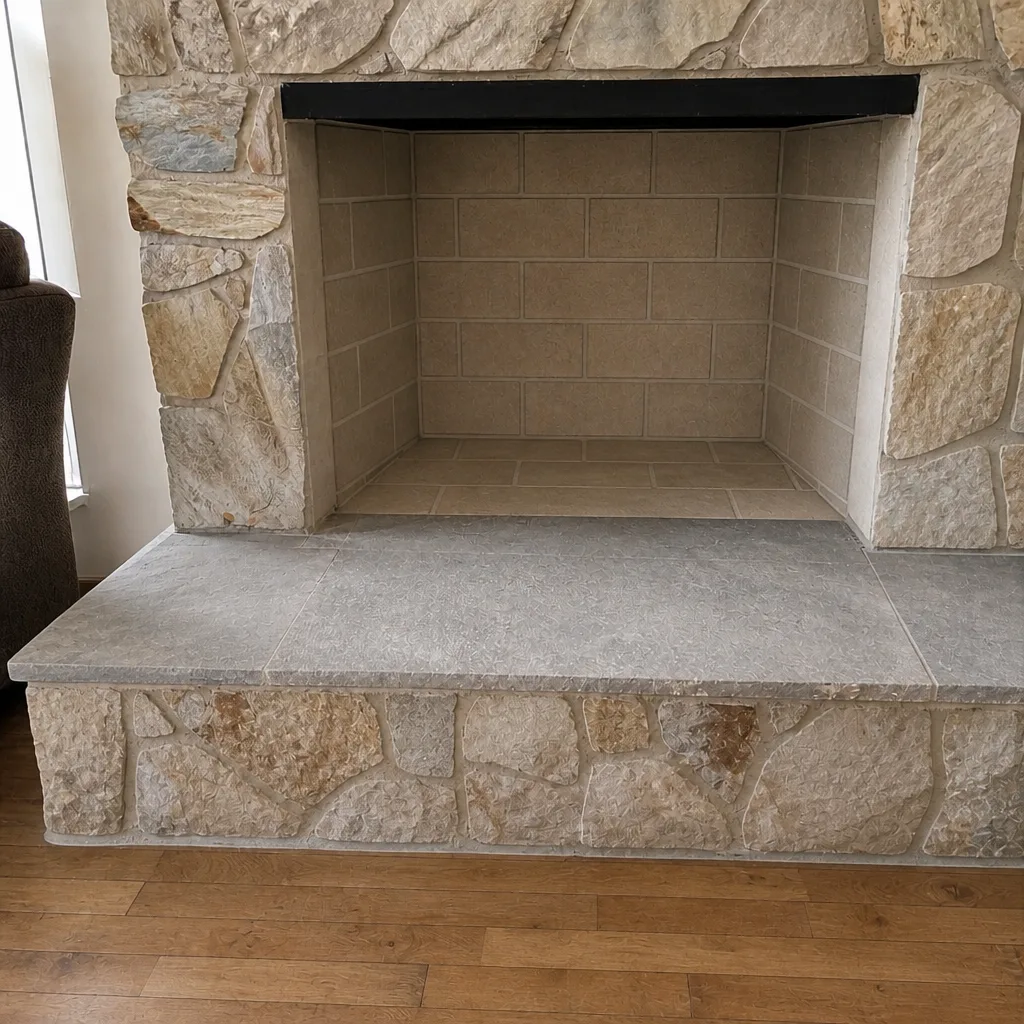
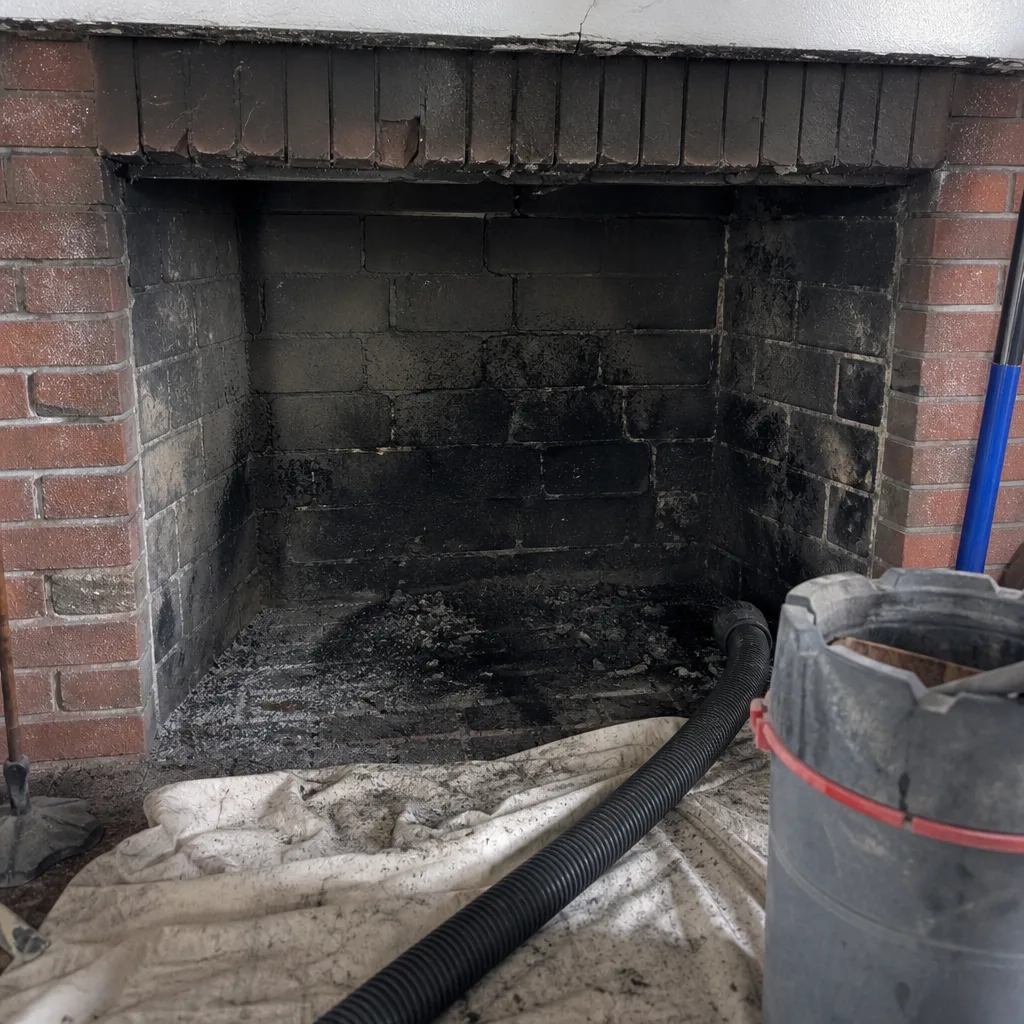
See the difference
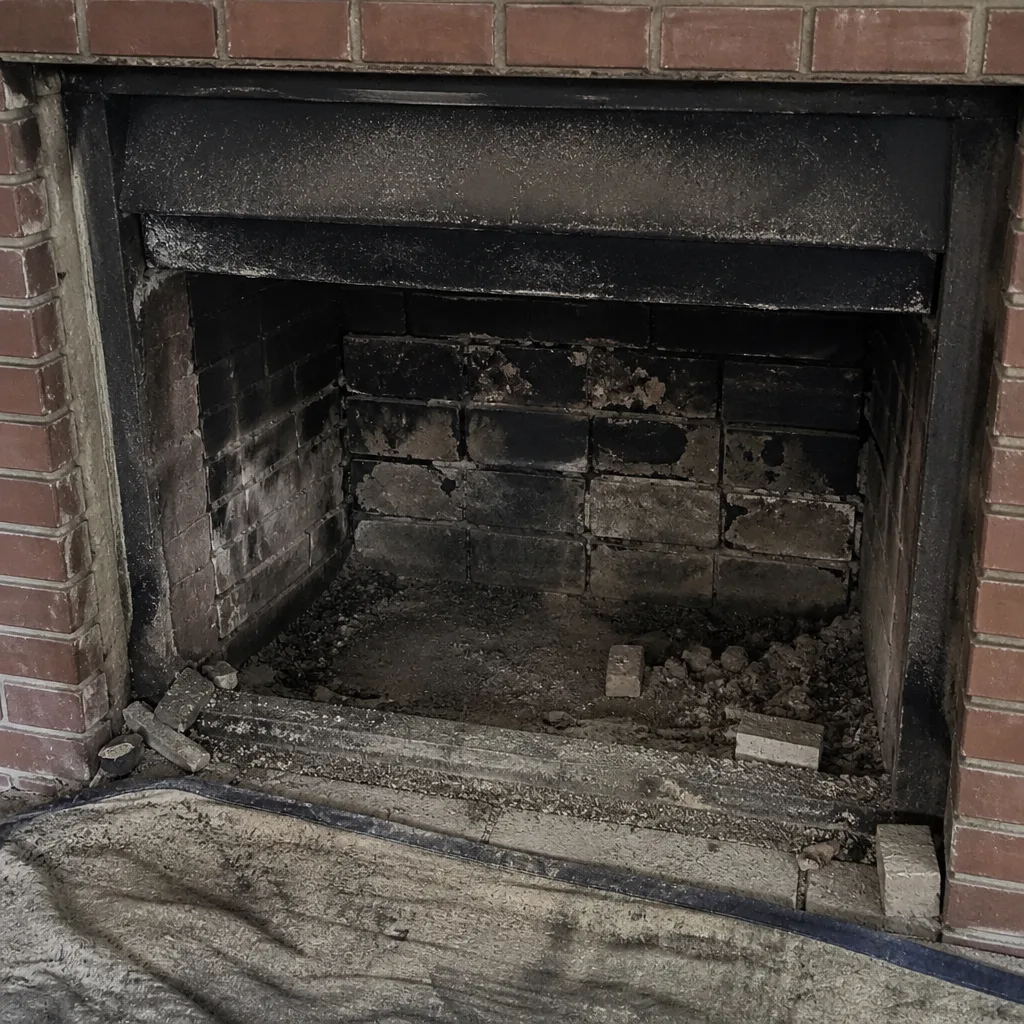 Before
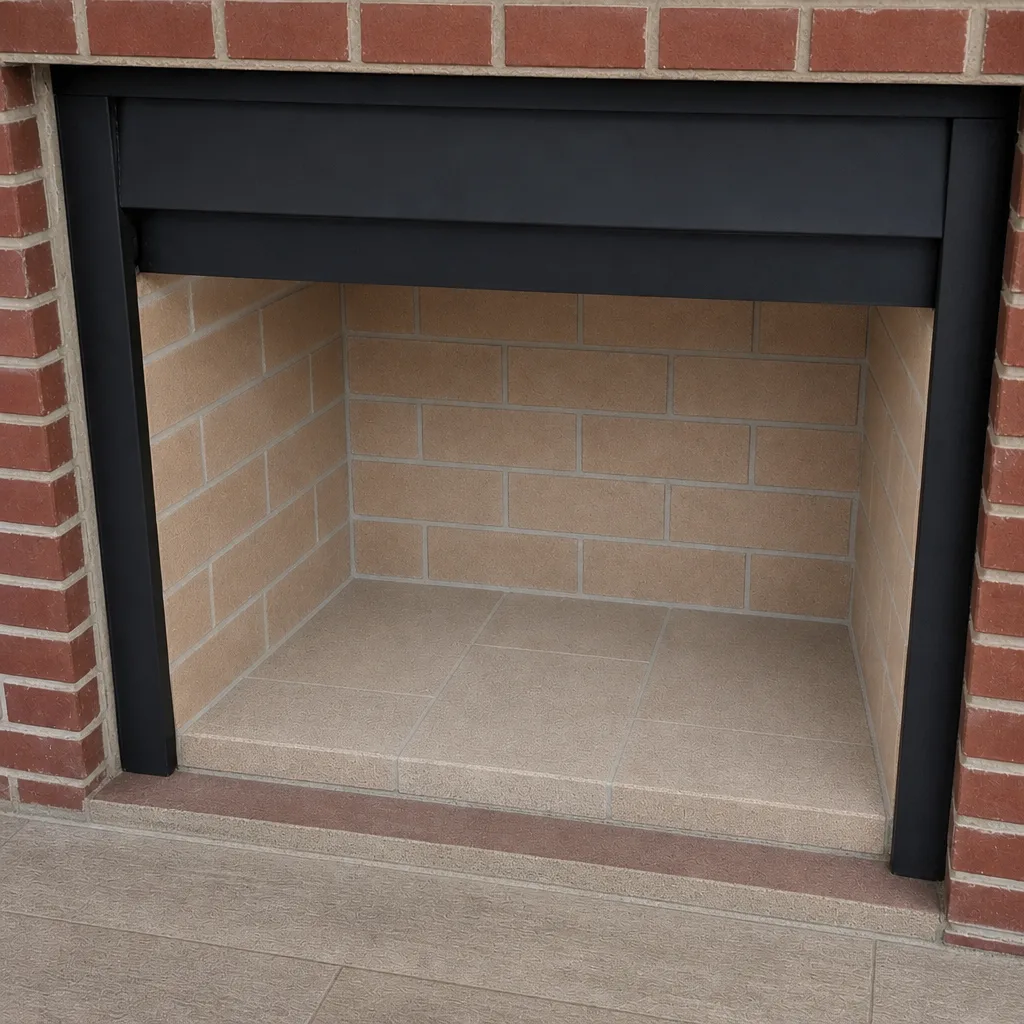 After
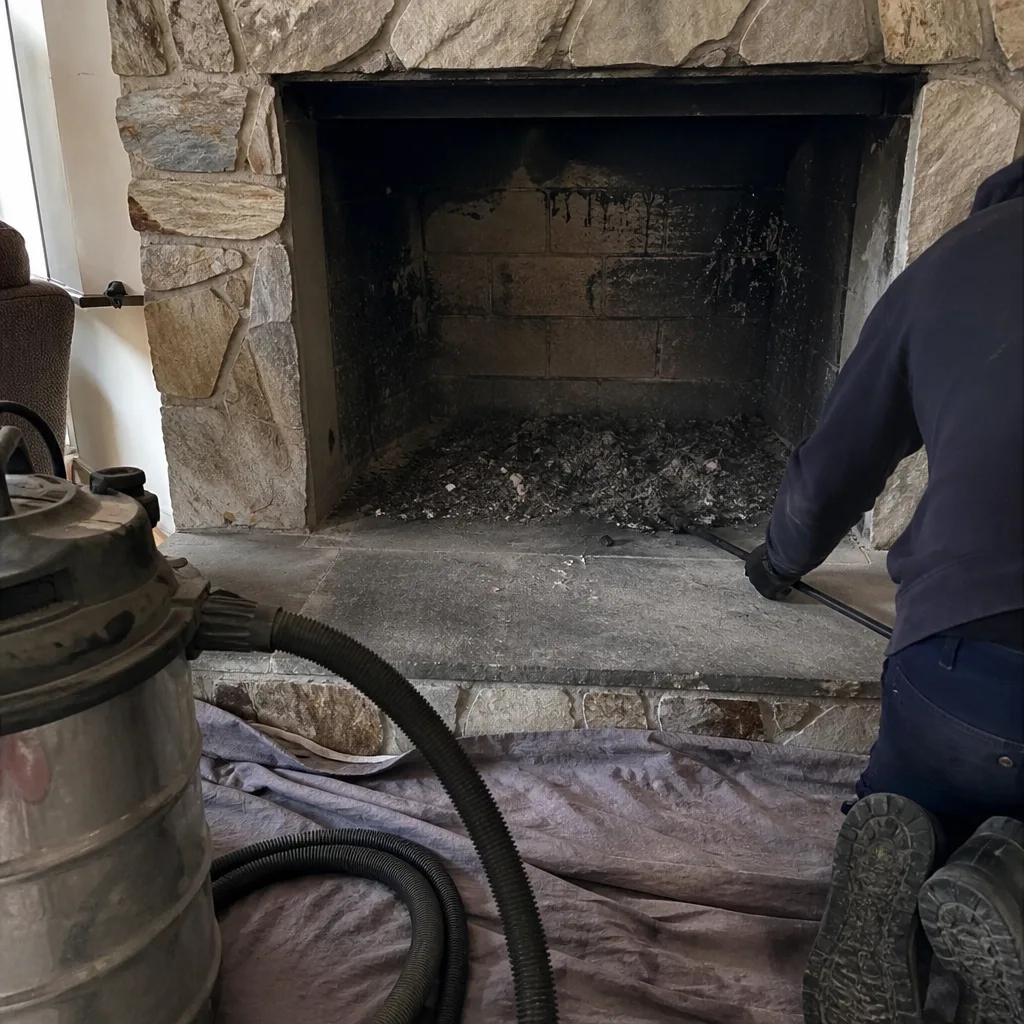 Before
 After
 Before
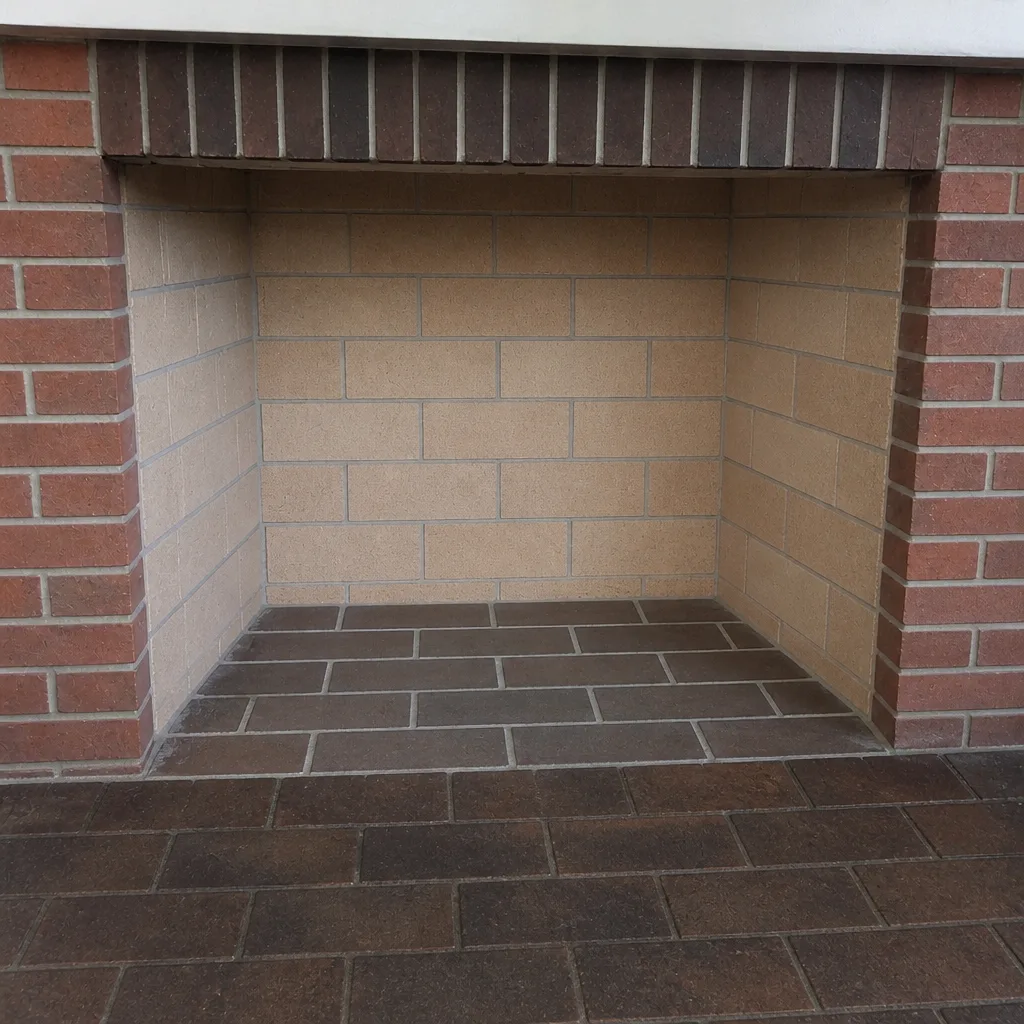 After
When to Call a Professional
Some issues are worth a phone call right away, and others can wait for a scheduled visit. Call a professional in these situations: any smoke or carbon monoxide symptom while a fire is burning; any visible flame or glazed creosote in the flue; any cracked or missing liner; any structural damage to the brick, mortar, or crown that goes beyond surface appearance; any chimney that has been in use for a season without a sweep and shows signs of heavy creosote; and any chimney in a home that’s being sold or insured, where a written inspection report is needed. Everything else – an annual sweep, a cap repair, a crown refresh, a damper replacement – can be scheduled in the normal course. Chimney Sweep Kent offers free estimates in Kent. Call (866) 942-7714. We answer 24/7. Fast dispatch from 7am to 7pm, Sunday through Friday.
Frequently Asked Questions
A chimney sweep in Kent typically runs on a per-job basis, and the price is set by a written estimate before any work begins. The cost depends on the flue length, the creosote stage, and whether the flue has any obstructions to clear. Call (866) 942-7714 for an exact quote – estimates are free.
Not every cracked liner needs a full relining. In our experience, many liners with surface cracking can be restored with HeatShield resurfacing, which is far less invasive than installing a new liner and often less expensive. The right call depends on what a camera inspection shows. We assess whether resurfacing can restore the flue before recommending a full DuraFlex relining, and you see the evidence before you decide. If the liner can safely wait, we say so.
Once a year is the standard for a wood-burning fireplace in steady use, and it’s the right baseline for a Kent home. If you burn frequently through winter, burn unseasoned wood, or damp the fire down to make it last, more frequent sweeps may be appropriate. If you use the fireplace only a handful of times a season, the annual schedule can flex to a visual inspection. Call (866) 942-7714 to book a sweep before the burning season starts.
Creosote builds up in stages, and stage 3 glazed creosote is a fire hazard because it burns hot once it ignites. Skipping a sweep also lets moisture problems progress, since the creosote absorbs water and holds it against the masonry. The risk isn’t theoretical – chimney fires and carbon monoxide exposure are both tied to neglected flues. A sweep is a scheduled maintenance item, not an emergency, so the fix is simply to book it. Call (866) 942-7714. We answer 24/7. Fast dispatch from 7am to 7pm, Sunday through Friday.
A freshly swept chimney that still backdrafts is almost always a damper, blockage, or pressure problem – not a cleaning problem. The flue may be clean and still smoke if the damper is warped or the house is running a fan that pulls air out of it. Check the damper first, then check whether a running fan or cold weather is triggering it. If it’s consistent, book an inspection so the cause can be identified properly. Call (866) 942-7714 – estimates are free.
You can handle damper adjustment, throat cleaning, and the diagnostic checks in this guide. You should not handle anything that involves the flue interior, the liner, the firebox structure, gas or electrical components, or the roof. Those are professional work, and they’re the parts where the wrong fix can create a venting hazard. When in doubt, call – the diagnosis is free. Call (866) 942-7714. We answer 24/7. Fast dispatch from 7am to 7pm, Sunday through Friday.
The Bottom Line
Chimney troubleshooting isn’t guesswork – it’s reading the symptoms in order and narrowing the cause before calling anyone. Smoke points to the damper, a blockage, or house pressure before it points to creosote. Smell points to creosote, moisture, or dead air, and the kind of smell matters. Visible damage on the exterior points to moisture, and moisture is the biggest driver of chimney damage in Kent’s wet climate. Fix what you can fix safely, call for what touches the flue, the liner, or the structure, and stay on the annual schedule. The Chimney Sweep Kent service covers sweep, inspection, and repair, and we work with professional-grade materials from HeatShield, DuraFlex, and Olympia Chimney so the fix is specified for your flue, not whatever’s on the shelf. If you’re reading this from Kent, or anywhere nearby, the goal is the same: know what your chimney is telling you, and act on the real cause, not the symptom.
Call (866) 942-7714 for a free estimate. We answer 24/7. Fast dispatch from 7am to 7pm, Sunday through Friday. We’ll show you what we find, explain what it means, and lay out the options before any work begins.
Written by the team at Chimney Sweep Kent.