
Last updated November 15, 2026
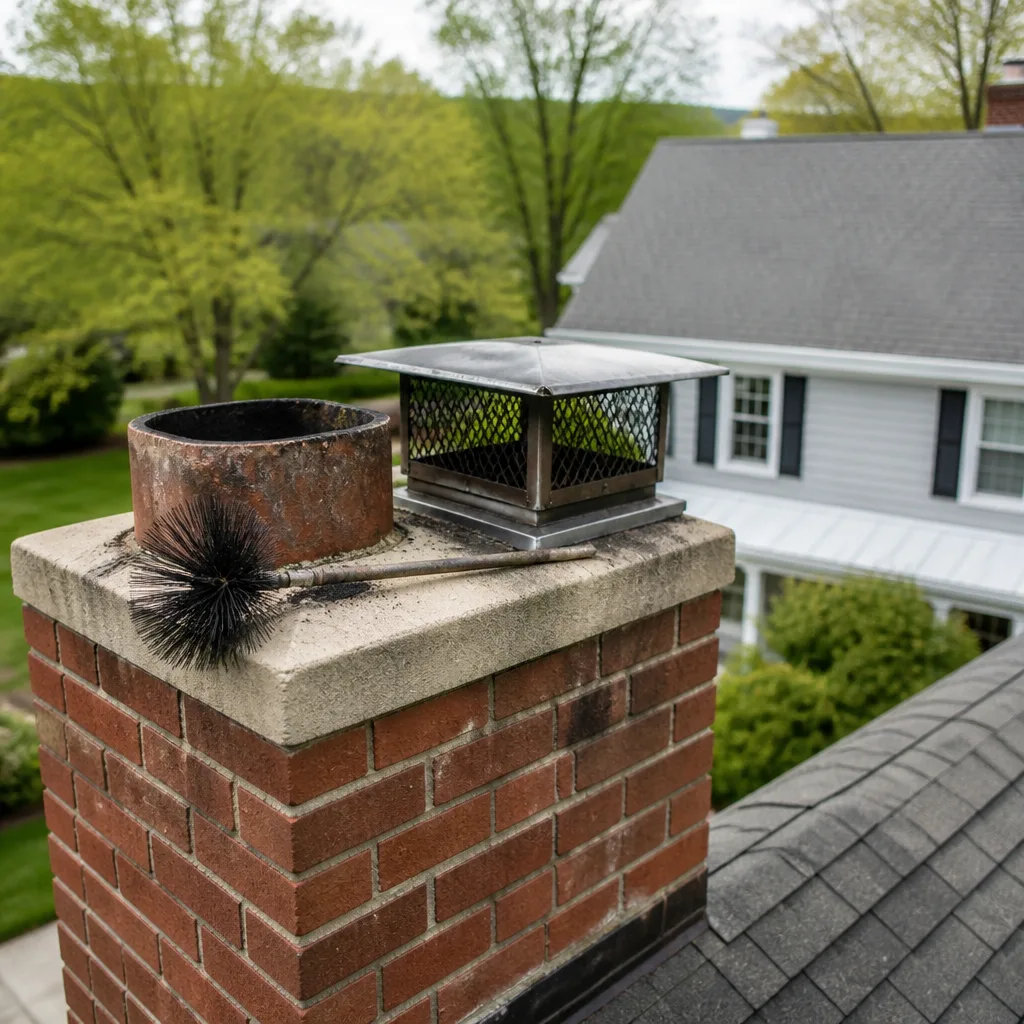 Sweep & inspection
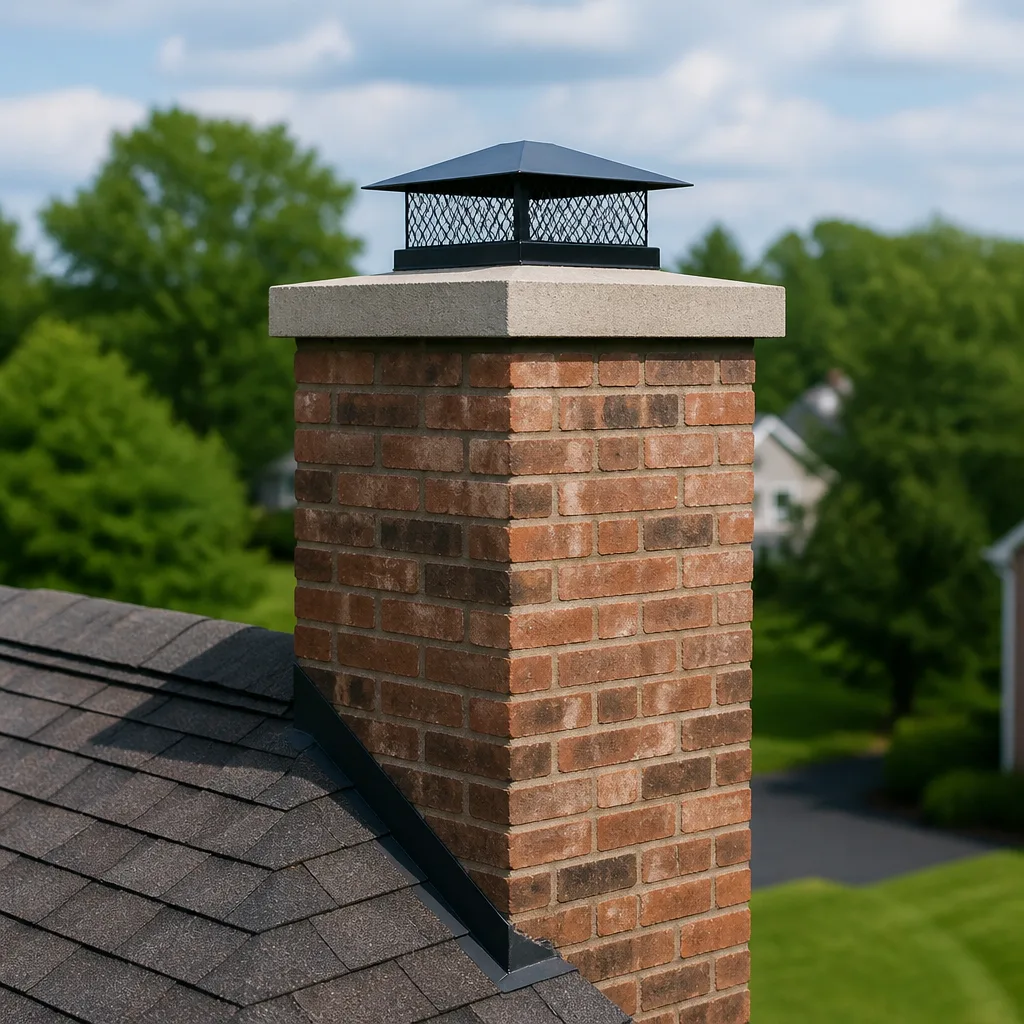 Caps & crowns
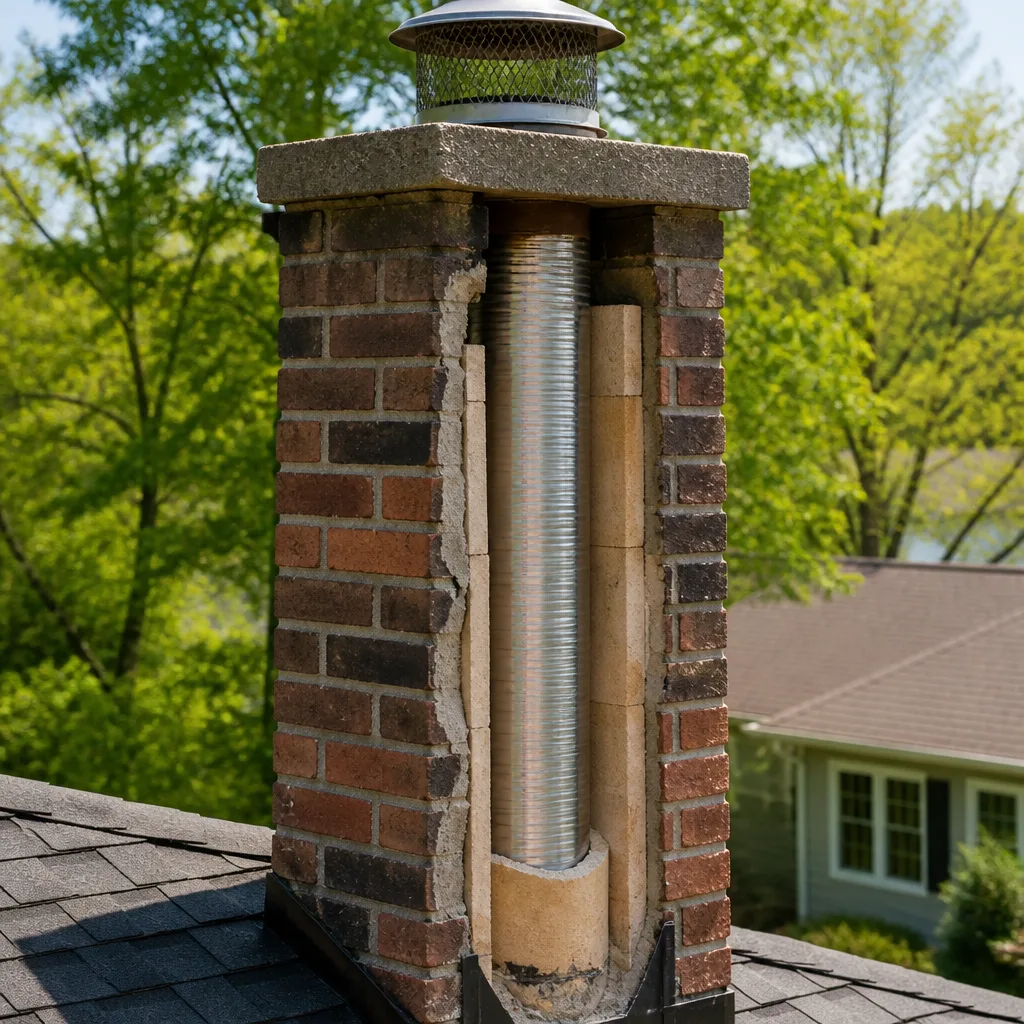 Flue relining
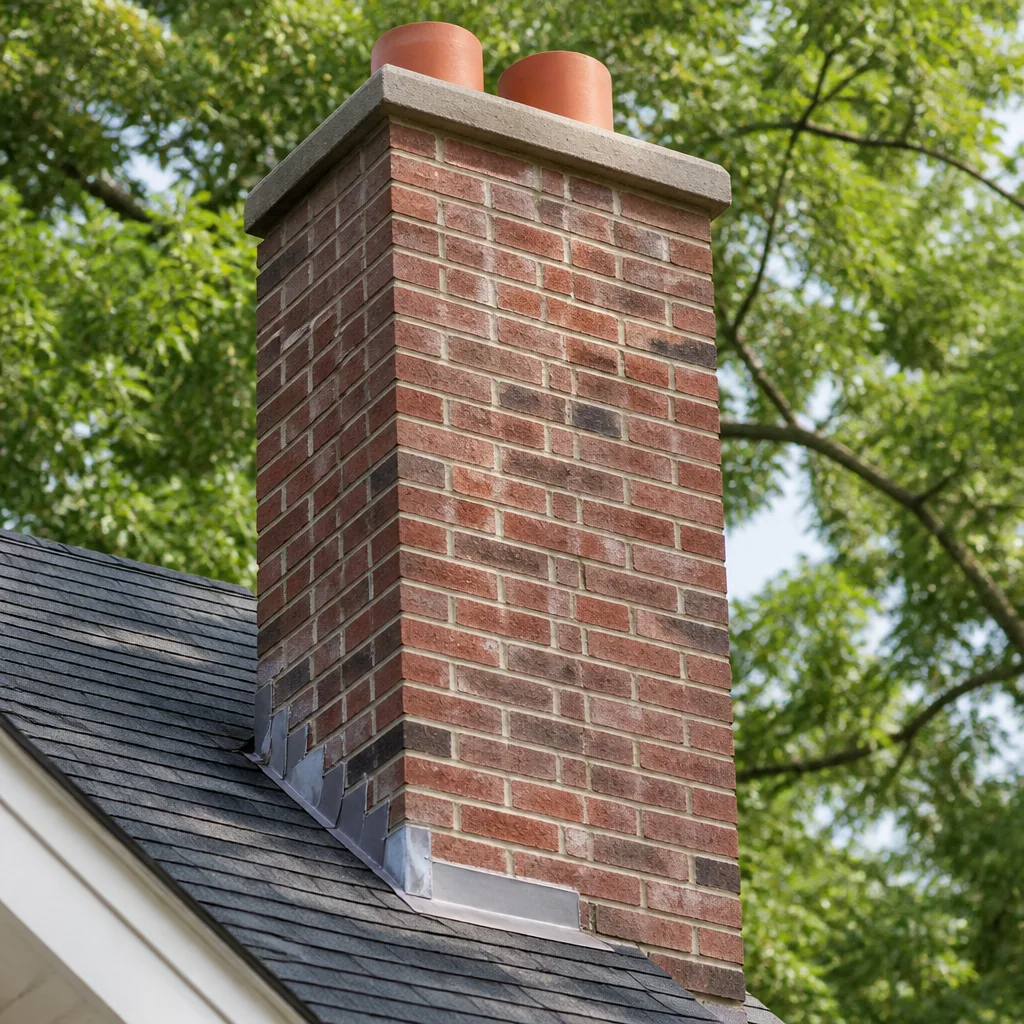 Masonry repair
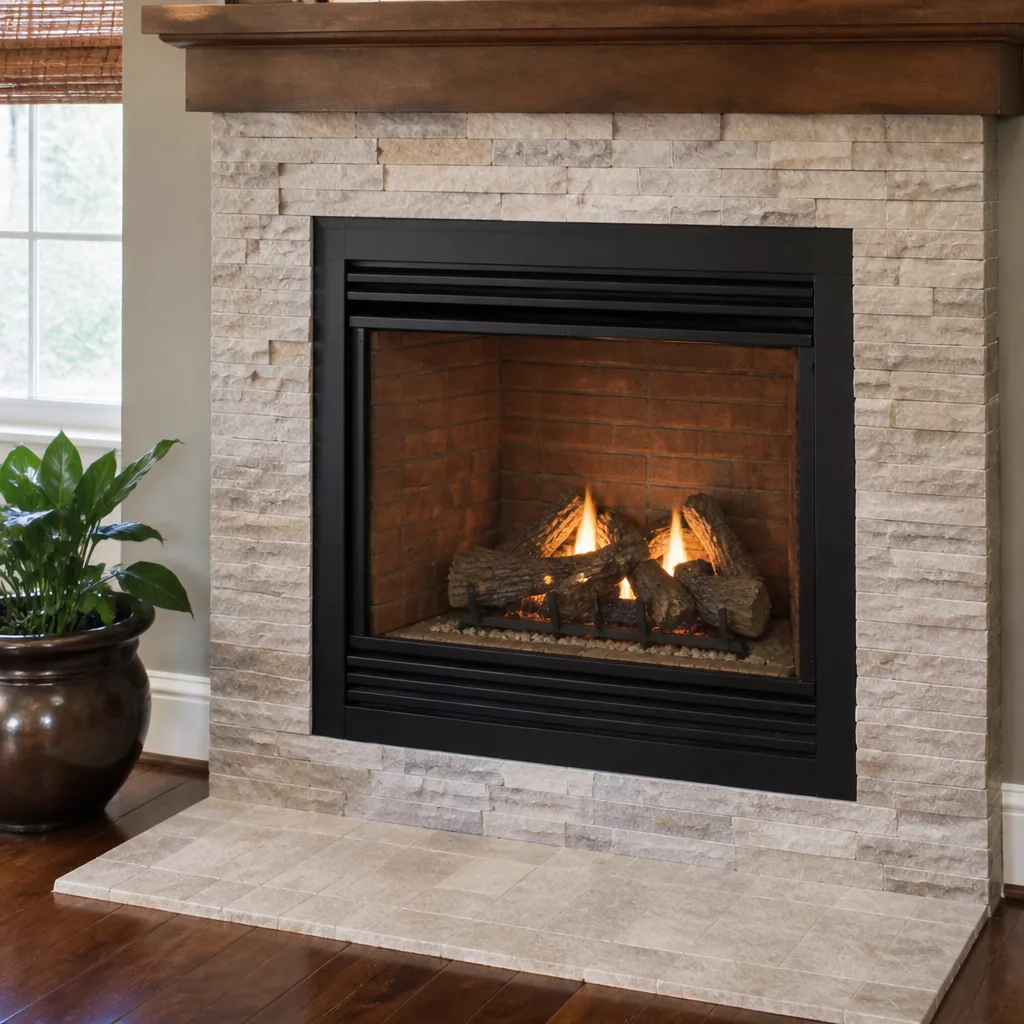 Gas fireplace service
Level 1 sweep and inspection to the NFPA 211 annual standard - flue, crown, cap, and flashing checked and photographed
Chimney sweep logs do not sweep chimneys. They loosen some creosote - which then falls where a brush and vacuum still have to collect it.
Choosing the Right Chimney Cleaning Brand: A Buyer’s Guide for Kent
Most homeowners never ask what brand is going into their chimney. The sweep shows up, the work gets done, and the product behind the firebox wall stays anonymous. That’s a mistake. When a technician replaces a flue liner or resurfacing a cracked flue, they’re choosing between materials with real differences in grade, joint sealing, and warranty terms, and those differences decide how the chimney performs for the next twenty years. In Kent, where cool wet winters push fireplaces into heavy seasonal use, that choice matters more than most people realize. This guide decodes the professional-grade brands behind good chimney work and shows you how to spot the difference between quality materials and big-box substitutes.
Quick Answer
The right chimney cleaning brand depends on the job: flue liners come from professional-tier makers like DuraFlex and Olympia Chimney, resurfacing products from HeatShield, and caps and dampers from names like Famco and Copperfield. What separates professional-grade from box-store substitutes is UL listing, steel gauge, joint-sealing method, and warranty terms, not the label on the box. Ask any contractor which brands they use and why, and you’ll learn quickly whether they know their supply chain.
Styles & brands we work with
- Sweep & inspection
- Caps & crowns
- Flue relining
- Masonry repair
- Gas fireplace service
Table of Contents
- Why chimney product brands matter in Kent
- The leading professional-grade liner brands
- Creosote removal chemistry: stage 2 vs stage 3
- CSIA, NFPA, and approved materials
- Caps and dampers worth specifying by name
- How to ask a contractor about their supply chain
- Common mistakes to avoid
- When to call a professional
Why Chimney Product Brands Matter in Kent
A chimney is a system, and every part of it is a product someone chose. The liner, the cap, the damper, the sealant at the top plate, the resurfacing compound on a cracked flue: each one has a maker, a specification sheet, and a failure mode. Swap a professional-grade component for a cheaper substitute and the whole assembly gets weaker at that point.
Kent sits in a climate that tests chimneys hard. Cool, damp winters mean fireplaces and wood stoves run heavily for months, then sit idle through humid spring weather. That cycle of heat, condensation, and dryness stresses liners and masonry. A product rated for continuous high-temperature service handles it. A product rated for intermittent light use, the kind sold in a box store, may not.
There’s a second reason brands matter here: consistency. When a technician uses the same professional-grade lines across every job, they learn how those products behave, how they seat, how they cure, and where they fail. That knowledge translates into fewer callbacks and fewer surprises for you. In our experience, the sweeps who can name their supply chain are usually the ones who’ve done the homework on it.
None of this means brand names are a magic checkmark. A famous brand installed badly is worse than a good brand installed well. But knowing the names gives you a vocabulary for the conversation, and that’s where we’ll go next.
The Leading Professional-Grade Liner Brands
Flue liners are the single most consequential product in a chimney system. They contain combustion gases, protect the masonry, and provide the draft that makes a fire burn cleanly. When a liner needs replacement, three questions decide quality: what the liner is made of, how the joints are sealed, and what the manufacturer warrants.
What separates professional-grade liners from box-store substitutes
- UL listing for the application. A liner rated for a wood-burning appliance is not automatically rated for a gas appliance or an oil furnace. Professional brands list each product against the appliance types it’s approved for. Box-store liners often carry a single general listing that doesn’t match every use.
- Joint-sealing method. A good liner is a continuous run of pipe. Cheap liners join with friction-fit couplers that can separate under thermal cycling. Professional-grade systems use a mechanical or sealed joint that holds through years of expansion and contraction.
- Warranty terms. Manufacturer warranties on professional liners run long and are written for the installed application. Mass-market products often carry short warranty periods with broad exclusions.
- Material grade. Stainless alloys differ in how they resist corrosion from flue gases and creosote. Two liners that look identical can have very different alloy compositions. The spec sheet tells you which is which.
The names worth knowing
DuraFlex is a professional-grade liner system used widely in the chimney trade. When a chimney needs a full relining, a system like DuraFlex gives the installer flexibility for complex flue paths that would defeat a rigid liner. Olympia Chimney makes liner and venting products specified across the industry. HeatShield is a different category: a resurfacing product that repairs a cracked or pitted flue liner from the inside, without a full reline in many cases. That’s a meaningful option for homeowners facing a big repair bill, and we’ll cover it below.
Kent homes with older masonry chimneys often face a liner decision after an inspection. If the flue is cracked but structurally sound, resurfacing may restore it. If the flue is badly deteriorated or the wrong size for the appliance, a full reline is the answer. We specify professional-grade materials because the difference matters most at exactly that moment.
Creosote Removal Chemistry: Stage 2 vs Stage 3 Glaze
Creosote is the tar-like residue left behind by wood smoke, and it builds up in three forms. Stage 1 is a light, flaky soot that brushes off easily. Stage 2 is a thicker, crustier deposit that takes mechanical effort and chemical help. Stage 3 is glaze: a hard, shiny, tar-like coating bonded to the flue wall that resists ordinary brushing. The form on your flue determines which product a technician should apply, and that’s where chemistry matters.
How the products differ
- Standard creosote removers work on stage 1 and light stage 2 buildup. These are the powders and sprays applied after a sweep to neutralize residue and loosen remaining soot. They do not penetrate glaze.
- Glaze-specific removers are formulated to soften stage 3 deposits before mechanical removal. They work by penetrating and breaking down the tarry bond. Applying a standard product to glaze is like spraying water on tar: it runs off and does nothing.
- Mechanical removal is still required for heavy glaze. No chemical product removes stage 3 deposits on its own. The chemistry softens the deposit; the brush and scraper do the work.
The practical takeaway is simple: a technician who applies one product to every chimney, regardless of what they find, is using the wrong product somewhere. A professional carries a range of removers and matches them to the deposit. They also know when a glaze problem is severe enough to warrant a professional inspection and possibly liner work, because heavy stage 3 creosote is a real fire risk and a sign the chimney hasn’t been maintained in a while.
In Kent, where wood-burning is common practice rather than decoration, we see creosote buildup as a routine part of the work. A properly chimney sweep assesses the deposit, chooses the right remover, and clears the flue completely rather than just knocking off the loose soot on top.
CSIA, NFPA, and Approved Materials
Two organizations set the standards that matter for chimney work: the Chimney Safety Institute of America (CSIA) and the National Fire Protection Association (NFPA). Homeowners don’t need to memorize their codes, but knowing what they cover helps you verify what a contractor is installing.
What the standards cover
- Liner material approval. NFPA 211 is the standard for chimneys, fireplaces, vents, and solid fuel-burning appliances. It specifies which materials are acceptable for chimney liners and how they must be installed. A professional liner brand lists its product as compliant with the standard.
- Installation requirements. Liner sizing, insulation, and clearance rules come from the same standard. A liner that meets the material spec but is installed to the wrong size or without required clearance is still a problem.
- Inspection standards. CSIA inspection levels run from annual safety checks to full real-estate transaction inspections. Each level defines what the inspector examines and documents.
How to verify what’s being installed in your home: ask for the product spec sheet and the manufacturer’s UL listing, and check that the listing names the appliance type and installation you’re getting. Ask the contractor whether the installation follows NFPA 211. A professional will answer directly and provide the documentation. That’s the standard we hold ourselves to, and it’s the standard you should expect from anyone working on your chimney.
If you want an independent read on your chimney’s condition before making a repair decision, a chimney repair assessment should include photos and a written scope of work, not just a verbal suggestion that you need a new liner.
Caps and Dampers Worth Specifying by Name
Caps and dampers are the least glamorous parts of a chimney and the ones that fail first. A cheap cap rusts through in a few winters. A cheap damper warps out of seat and leaks heat all season. Specifying a professional-grade component here saves money over the life of the chimney.
What separates durable from disposable
- Gauge of steel. Chimney caps and dampers come in different steel thicknesses, and the gauge number tells you which you’re getting. A heavier gauge resists rust and warp better than a lighter one. Ask for the gauge specification, not just “steel”.
- UL listing. A cap or damper used in a chimney system should carry a UL listing for that application. Unlisted components may not meet the standard the rest of your system is built to.
- Warranty length. Professional-grade caps from makers like Famco and Copperfield carry manufacturer warranties written for the installed application. A product with a short warranty and broad exclusions tells you how the maker expects it to hold up.
- Fit to the flue configuration. A cap that doesn’t match the flue size or crown shape leaves gaps that admit water, birds, and debris. Proper specification means matching the product to the chimney’s actual dimensions.
Matching a cap or damper to the specific flue configuration is where product knowledge shows. A contractor who knows the product lines can specify the right model the first time, which reduces callbacks and warranty issues later. It’s a small piece of the job with an outsized effect on how well the chimney protects the house.
How to Ask a Contractor About Their Supply Chain
The single most useful question you can ask a chimney contractor is also the least common: which brands do you use, and why? The answer tells you whether they’ve thought about materials or just order whatever is cheapest that week. Here’s a script you can use.
Numbered steps for vetting a contractor
- Ask which brands they use for liners, resurfacing, caps, and dampers. A professional will name specific products. Look for names like DuraFlex, HeatShield, Olympia Chimney, Famco, or Copperfield. If they can’t name a single brand, that’s a signal.
- Ask for the product spec sheet. Any professional-grade brand publishes documentation on material grade, UL listing, and warranty. A contractor who won’t share it is telling you something.
- Ask why they chose that brand for your installation. The good answer references your appliance type, flue size, and any inspection findings. A vague answer means they’re not matching product to job.
- Ask what happens if the product fails. Professional brands carry warranties the contractor can pass through to you. Ask how a warranty claim would work.
- Ask whether resurfacing is an option before relining. A contractor qualified to offer HeatShield or similar resurfacing can often restore a flue for less than a full reline. One who only sells relines has a reason not to mention it.
What it signals when a contractor can’t name their supply chain: either they’re using whatever the local supply house stocks, or they’re buying the cheapest product available. Neither is what you want behind the wall of a chimney you’ll depend on for years. We work with professional-tier brands because we’ve seen how the cheaper alternatives age, and we’d rather specify the right product once than come back to replace it.
The full range of work, from a routine sweep to a full reline, sits under one company’s scope, so there’s no hand-off to a second contractor mid-project. That’s the case whether we’re working in Kent or anywhere across the service area, and you can read more about the local approach on our Kent page.
Common Mistakes to Avoid
- Assuming all liners are the same. A liner is a product with a material grade, a joint-sealing method, and a warranty. Two liners that look alike can perform very differently. Ask for the spec sheet before agreeing to a reline.
- Accepting a verbal diagnosis of a cracked flue. A repair recommendation should come with camera evidence and photos you can look at. If a contractor tells you the flue is cracked but won’t show you, ask to see it or get a second opinion.
- Skipping the annual inspection when the fire “seems fine”. A chimney that draws well can still have a cracked liner or heavy creosote buildup. The fire’s behavior doesn’t tell you what’s behind the wall. An inspection does.
- Choosing a contractor by price alone. The lowest bid often means a cheaper product or a shorter scope. The written estimate should name the product and the work, so you can compare like for like.
- Letting a cap rust out and leaving it. A failed cap lets water into the flue and masonry, which leads to bigger repairs. Replacing a cap early is a small cost next to the damage a leaky one causes.
- Letting a sweep apply one product to every chimney. Creosote comes in three stages, and the product needs to match the stage. A sweep who doesn’t assess what’s on your flue is guessing.
- Not asking whether resurfacing is an option. A cracked flue doesn’t always need a full reline. A qualified contractor can tell you whether HeatShield resurfacing will restore the liner first.
When to Call a Professional
Call a professional when you don’t know what’s on your flue. That’s the honest answer. A chimney that hasn’t been cleaned in a season, one that’s had heavy use through a cold Kent winter, or one that came with the house with no service history all deserve a look. Call if you smell smoke in the house when the fireplace isn’t burning, if the fire struggles to draw, if you see water staining on the masonry, or if a contractor has told you the liner is cracked and you want a second opinion with photos before you spend thousands. Also call before selling a home or meeting an insurance requirement, both of which often need a documented inspection. Chimney Sweep Kent offers free estimates in Kent. Call (866) 942-7714. We answer 24/7. Fast dispatch from 7am to 7pm, Sunday through Friday.
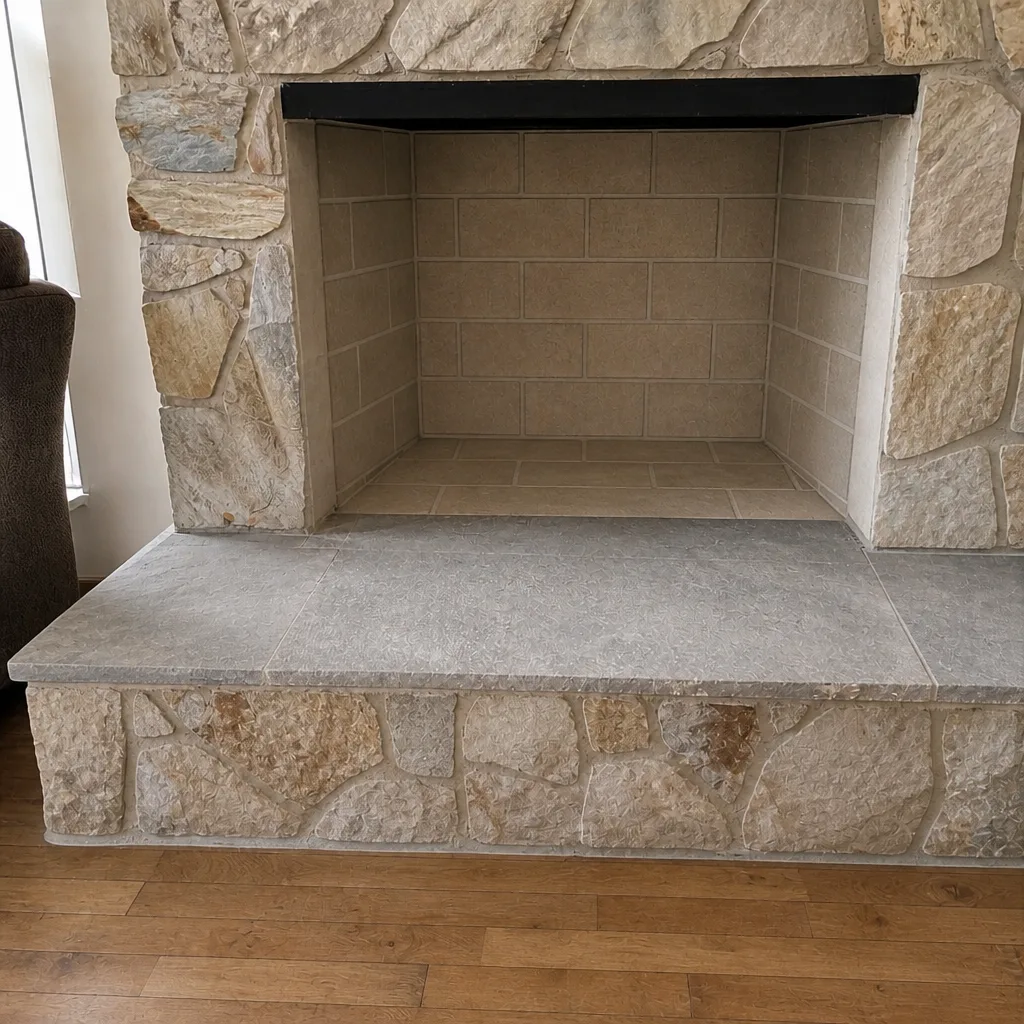
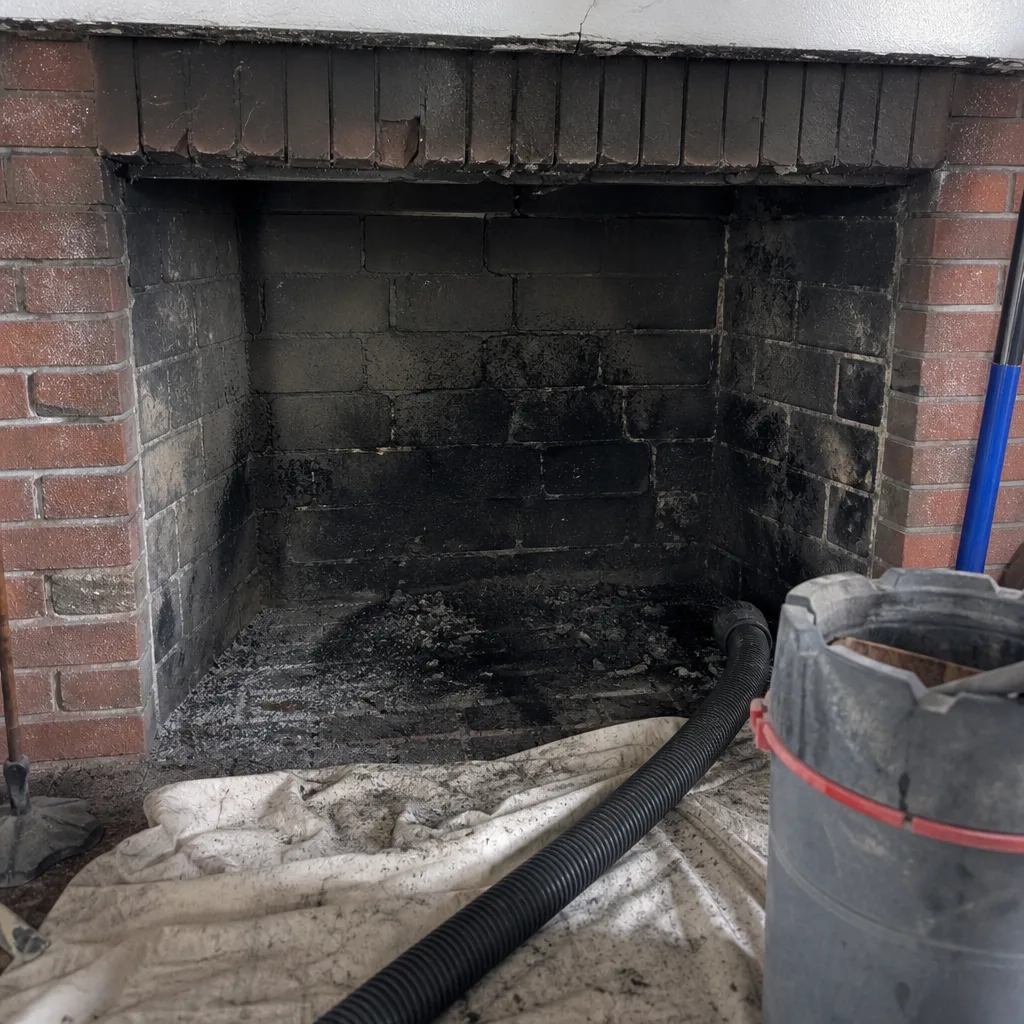
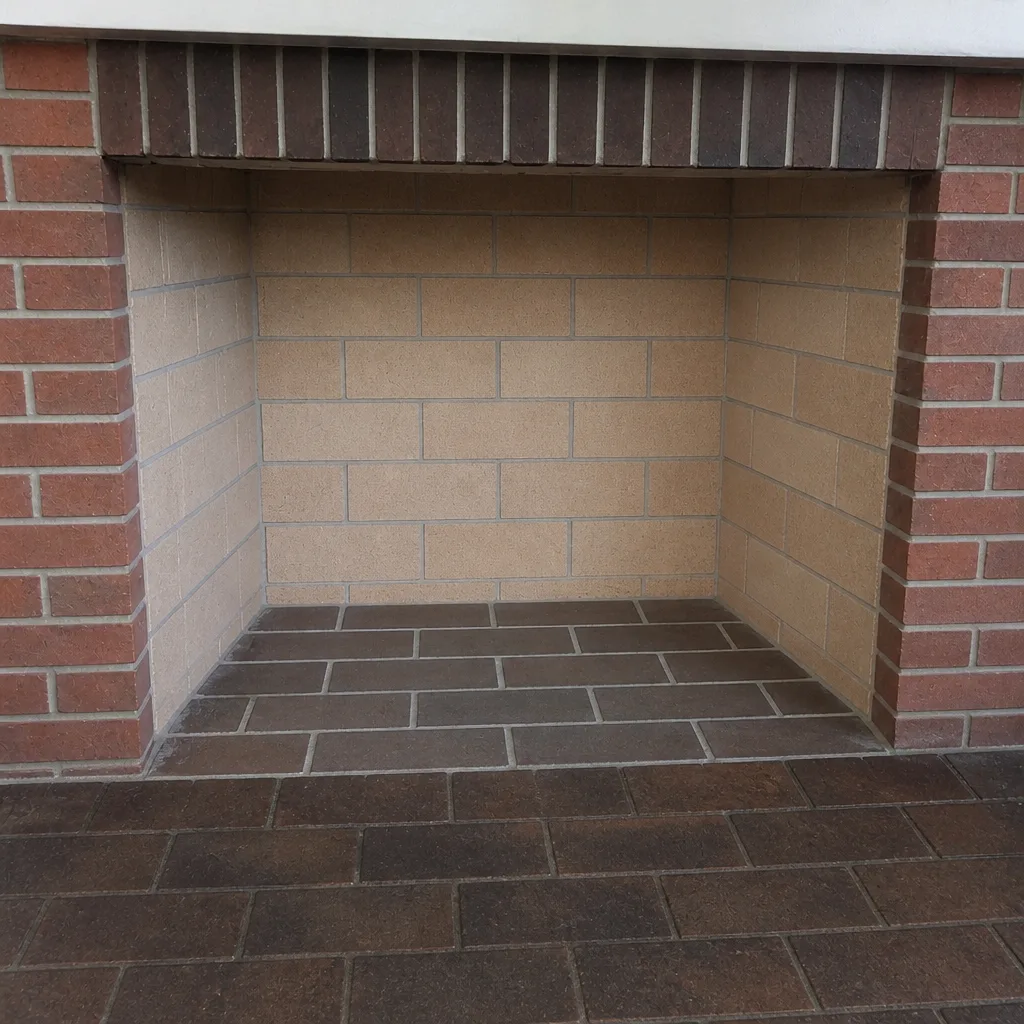
See the difference
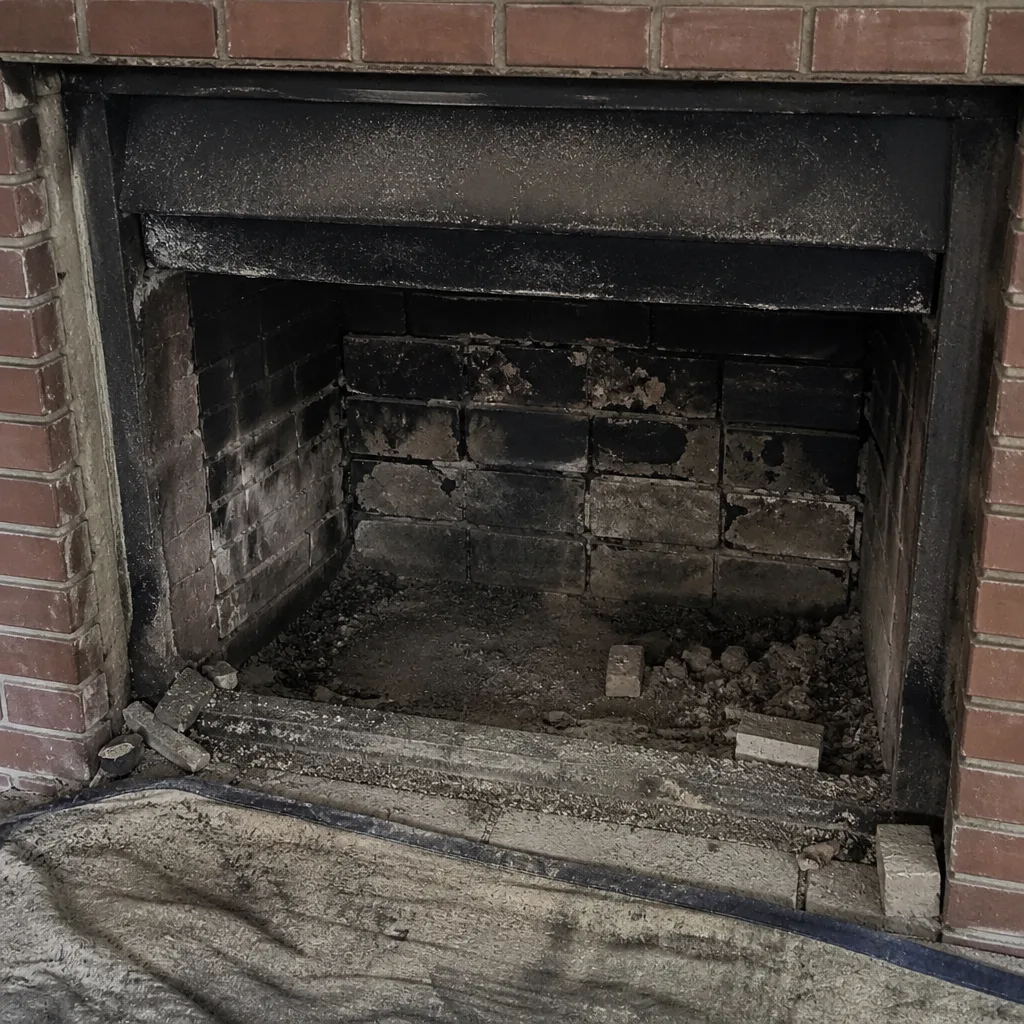 Before
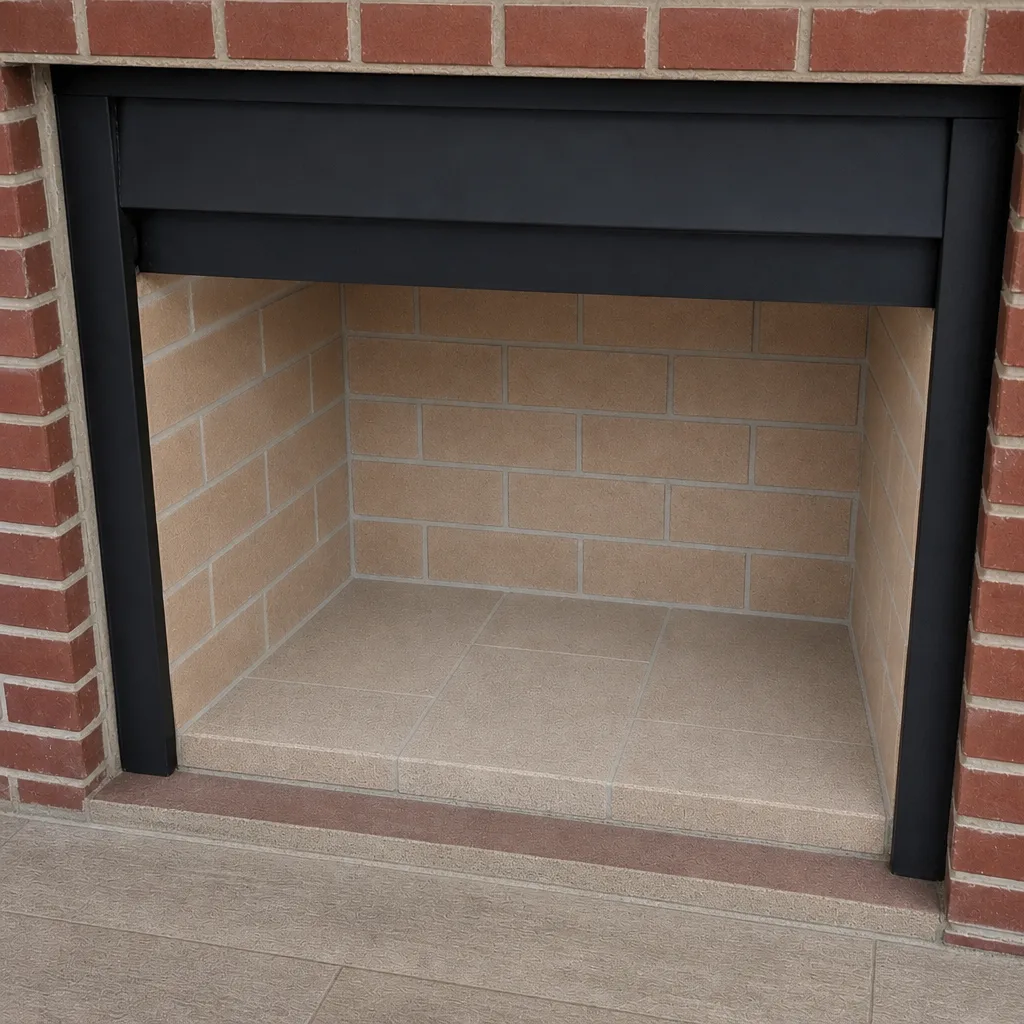 After
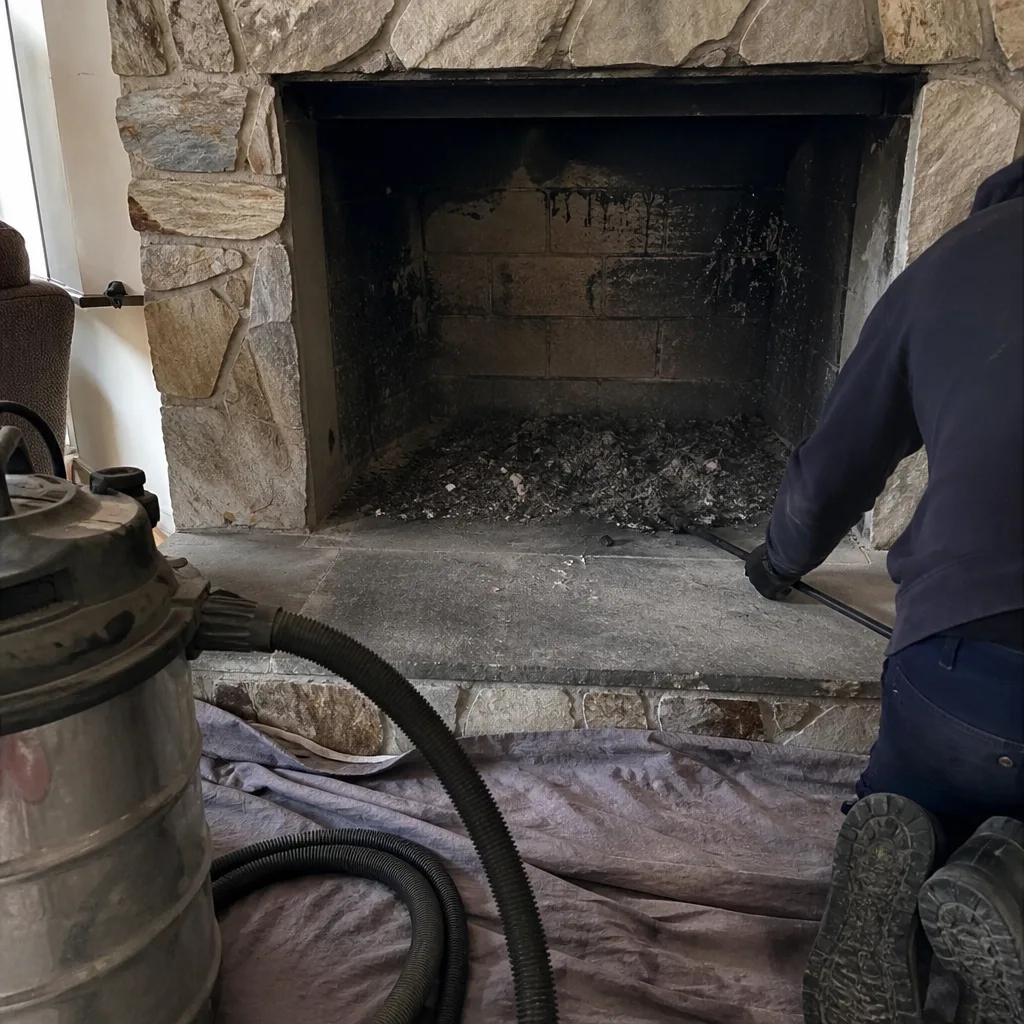 Before
 After
 Before
 After
Frequently Asked Questions
The professional-grade names in chimney work include DuraFlex and Olympia Chimney for liners, HeatShield for flue resurfacing, and Famco and Copperfield for caps, dampers, and venting components. What makes them professional-grade is documented UL listing for specific applications, published material and steel-gauge specifications, and manufacturer warranties written for the installed job. Call (866) 942-7714 for an exact quote, estimates are free.
Ask which brands they use and request the product spec sheet. A professional will name specific products and share documentation on material grade, UL listing, and warranty. If they can’t name a single brand or won’t share the spec sheet, that’s a sign to look elsewhere. Call (866) 942-7714 to talk through your options in Kent.
Stage 2 creosote is a crusty deposit that responds to mechanical brushing with chemical help, while stage 3 is hard, shiny glaze that resists ordinary brushing and requires a glaze-specific remover plus mechanical removal. No chemical product removes stage 3 on its own. A sweep who assesses the deposit before choosing a product is doing it right. Call (866) 942-7714 for an inspection.
Often, yes. HeatShield resurfacing can restore a cracked or pitted flue liner from the inside, which avoids a full reline when the flue is structurally sound. Whether resurfacing will work for your chimney depends on the extent of the damage, so an inspection with camera evidence comes first. Call (866) 942-7714 for a free estimate in Kent.
They benefit from it. Professional-grade caps and dampers from makers like Famco and Copperfield carry heavier steel gauges, documented UL listings, and longer warranties than the generic products sold in box stores. Specifying by brand and matching the product to the flue configuration reduces callbacks and premature failure. Call (866) 942-7714 to discuss your setup.
Annual inspection is the standard recommendation for a chimney in active use, and it covers both cleaning needs and structural condition. Homes with heavy wood-burning use through the winter benefit from a look before the season starts. Kent homeowners with gas inserts or stoves should still get an annual check. Call (866) 942-7714 for a free estimate.
The Bottom Line
The brands behind your chimney work matter as much as the technician using them. Professional-grade liners from makers like DuraFlex and Olympia Chimney carry documented UL listings and install warranties because the materials are built for the application. Resurfacing products like HeatShield let a qualified contractor restore a flue without a full reline in many cases. Caps and dampers from Famco and Copperfield hold up through Kent’s wet winters. The common thread is that you can verify every one of those products with a spec sheet and a warranty. Ask any contractor which brands they use and why, and you’ll know quickly whether you’re dealing with a professional.
If you want that conversation with a company that works in professional-grade materials and shows you what they find, call Chimney Sweep Kent at (866) 942-7714 for a free estimate. We answer 24/7. Fast dispatch from 7am to 7pm, Sunday through Friday.
Written by the team at Chimney Sweep Kent.