
Last updated November 15, 2026
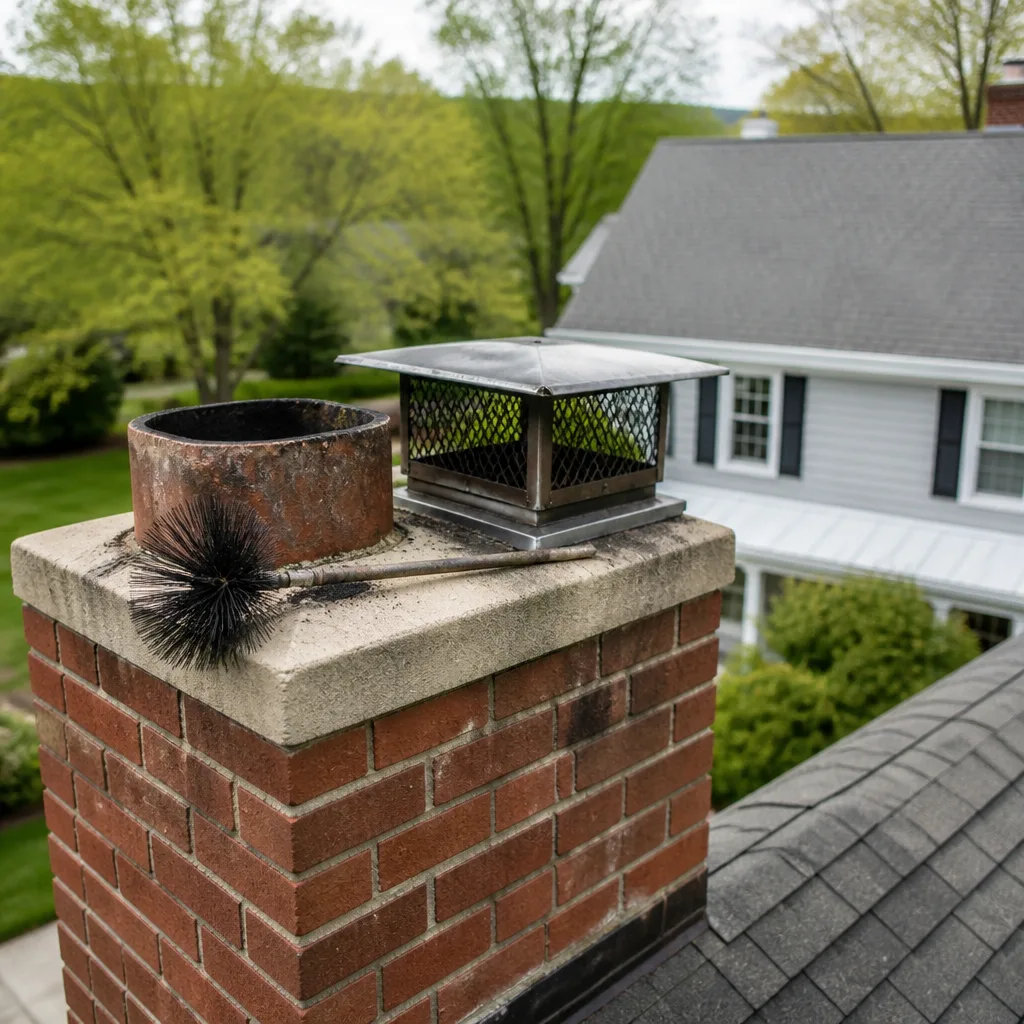 Sweep & inspection
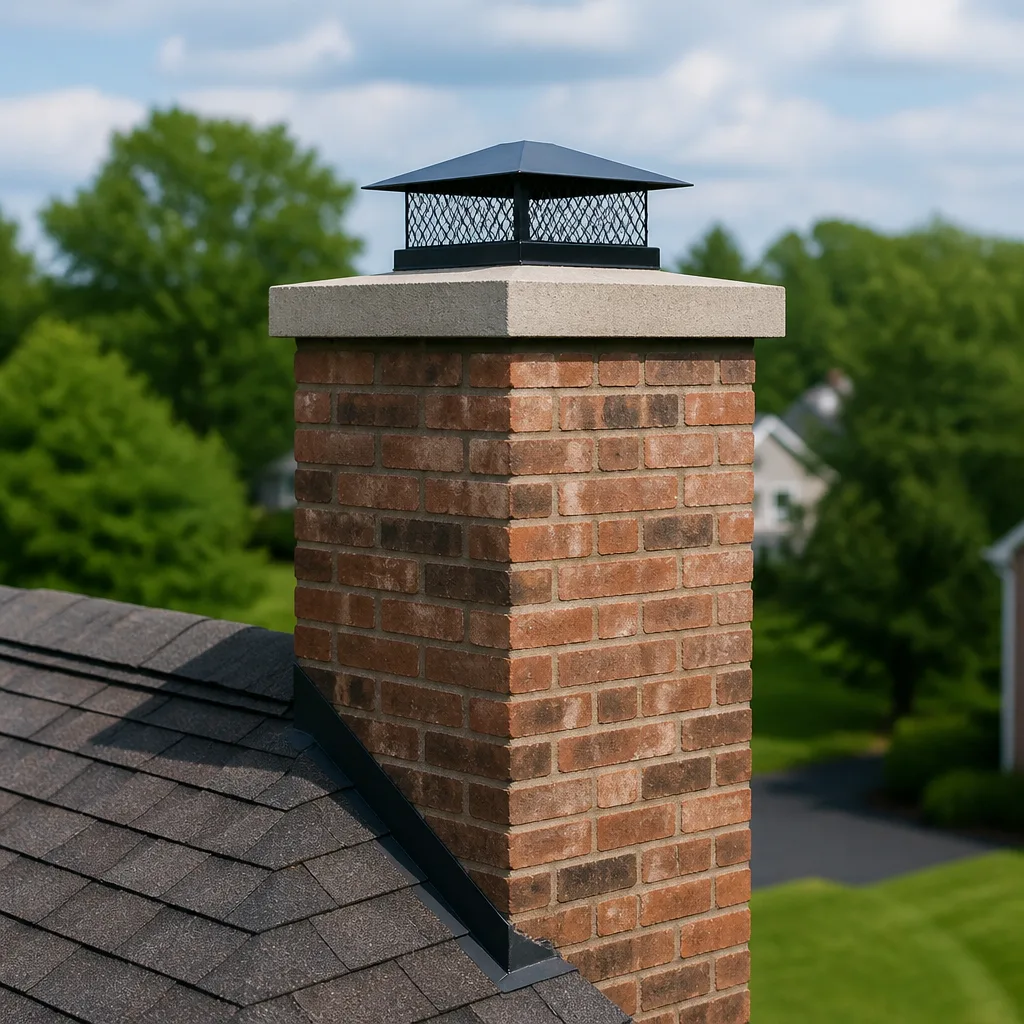 Caps & crowns
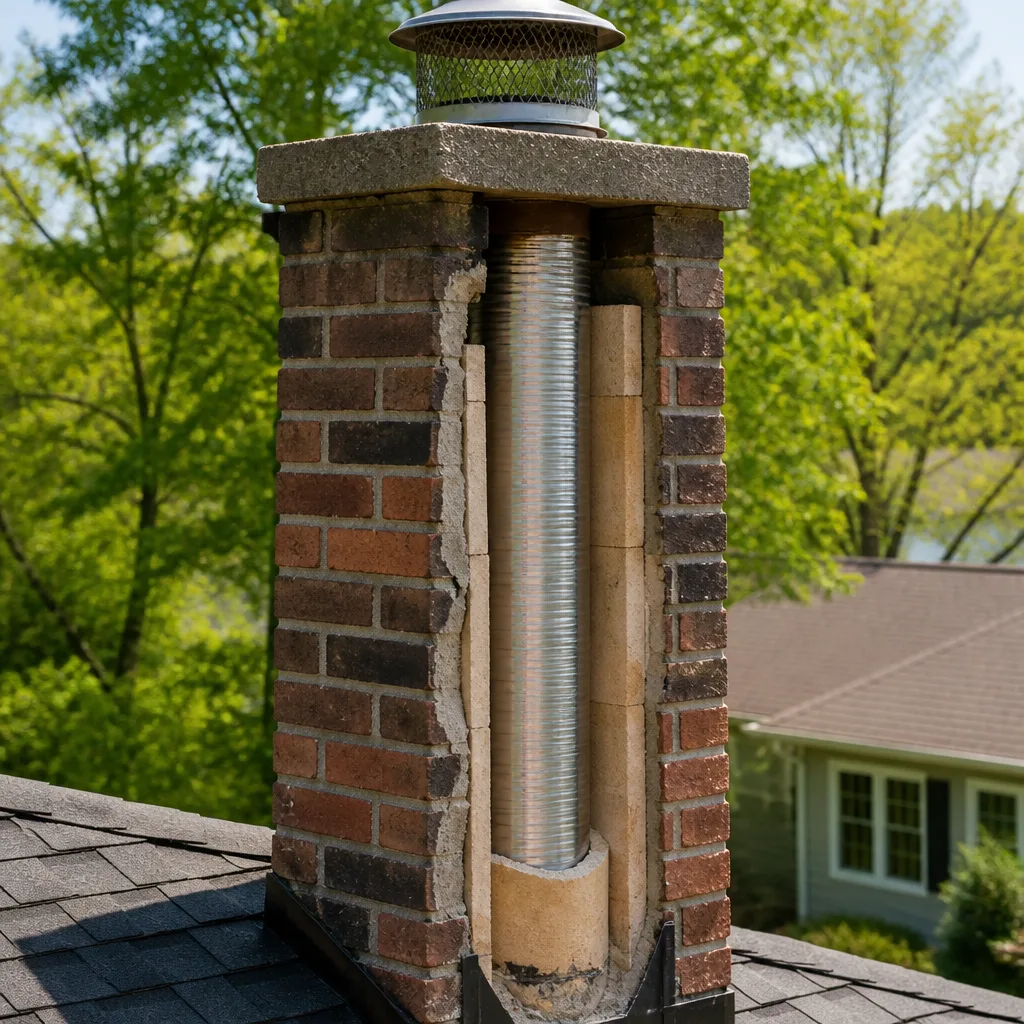 Flue relining
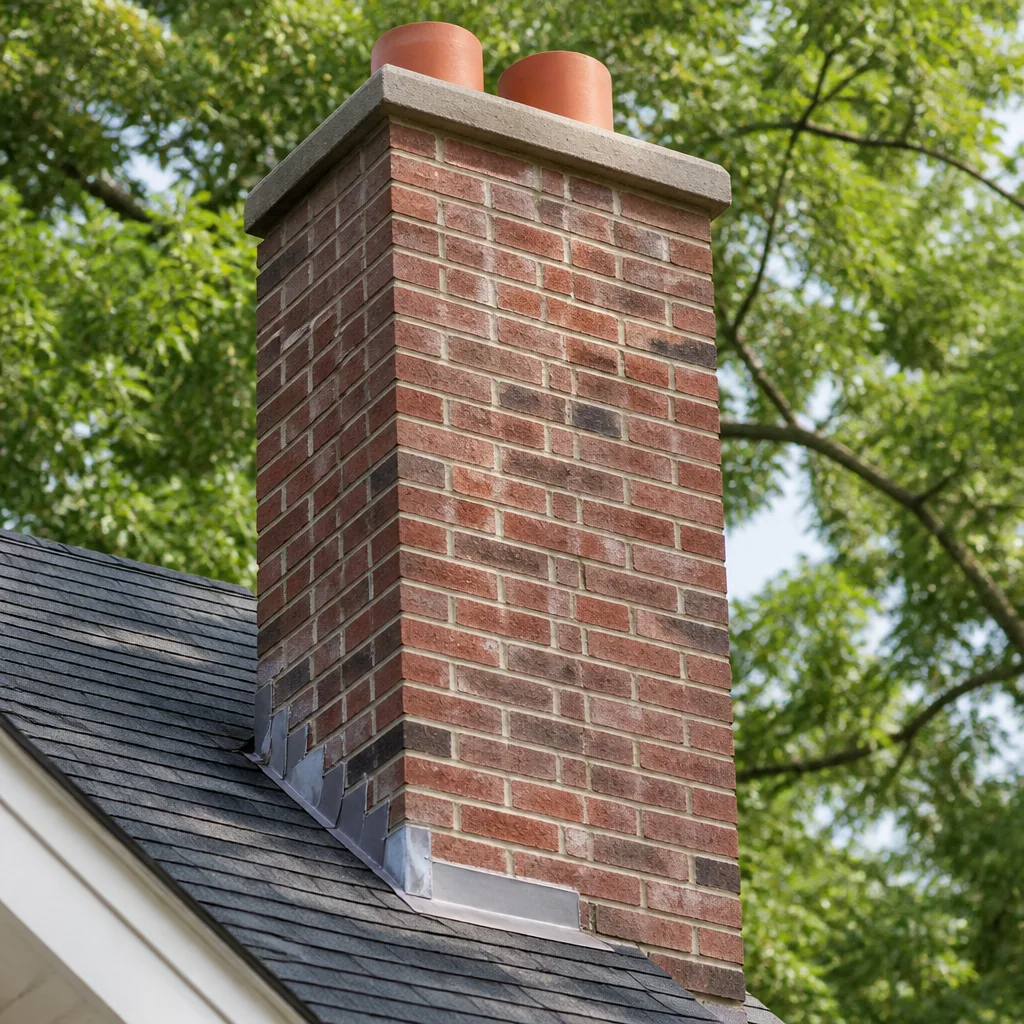 Masonry repair
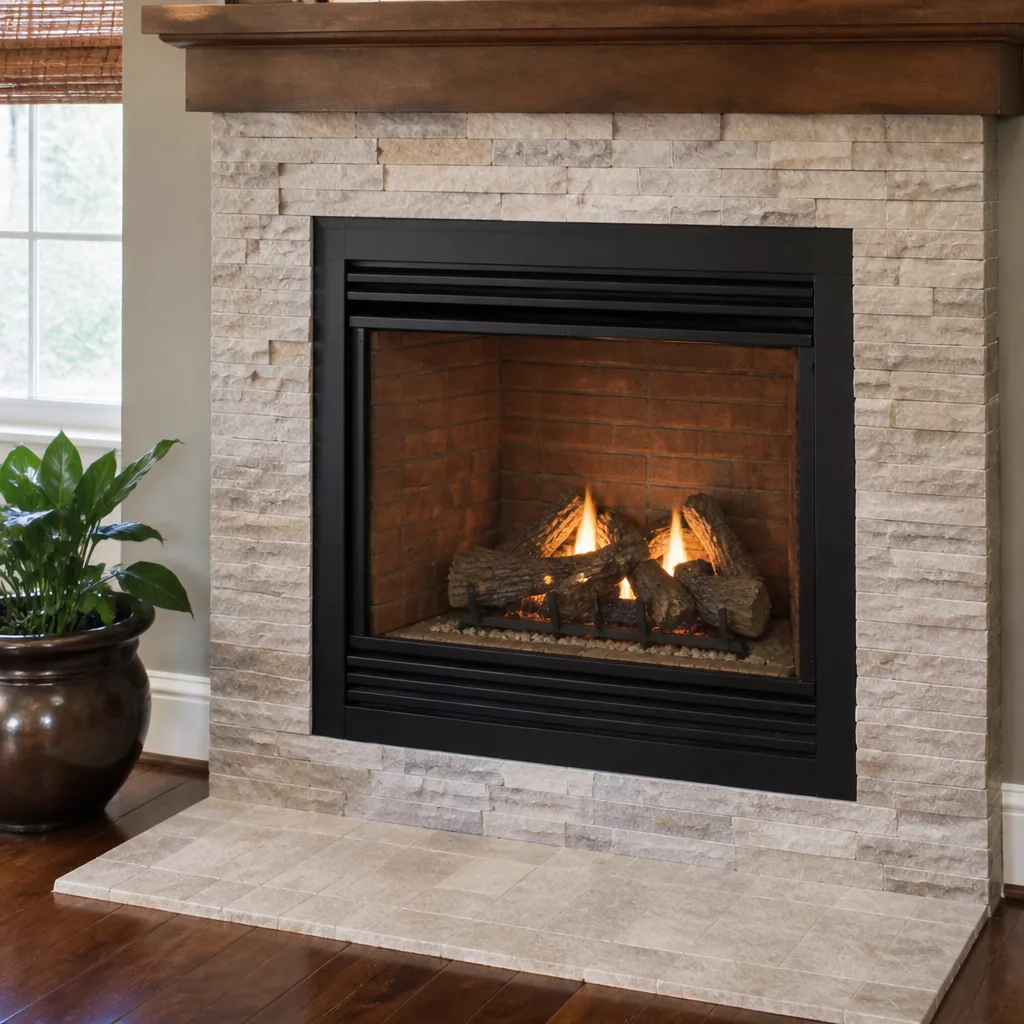 Gas fireplace service
Level 1 sweep and inspection to the NFPA 211 annual standard - flue, crown, cap, and flashing checked and photographed
Chimney sweep logs do not sweep chimneys. They loosen some creosote - which then falls where a brush and vacuum still have to collect it.
Chimney Cleaning Emergency Preparedness Guide for Kent Homes
Most people picture a chimney fire as a roaring, freight-train sound with flames licking out the top of the flue. Some are. But the ones that cause the most structural damage are often quiet, slow-burning events that a homeowner never notices at all – no dramatic noise, no visible smoke from the roof, just a low rumble or a faint crackling the household writes off as the fire settling. In our experience, Kent Fire Department responses include chimney-related calls where residents only learned something had happened when a sweep or inspection turned up damage days later. This guide walks you through how to recognize a real chimney emergency in Kent, what to do in the first five minutes, and how to have a plan built before October arrives, when the burning season begins and there is no longer time to prepare.
Quick Answer
If you suspect a chimney fire in your Kent home, get everyone outside, call 911, and do not use water on the fire or close the damper on an active burn until you’ve spoken with firefighters. Once the fire is out, no one should relight that fireplace until a professional inspection confirms the flue is structurally sound. The only reliable way to be ready for a chimney emergency is to prepare before the season starts – clean flue, working carbon monoxide detector, and a sweep scheduled before the first cold snap.
Styles & brands we work with
- Sweep & inspection
- Caps & crowns
- Flue relining
- Masonry repair
- Gas fireplace service
Table of Contents
- How Do You Tell an Active Chimney Fire From a Heavy Burn?
- What Is the Correct Response Sequence in the First Five Minutes?
- Why Carbon Monoxide Is the Silent Chimney Emergency
- Blockages From Nests, Debris, and Collapsed Liners
- What to Do After a Chimney Fire Before You Relight
- Building a Pre-Season Emergency Kit for Your Kent Home
- The Inspection That Prevents Most Emergencies
- Common Mistakes to Avoid
How Do You Tell an Active Chimney Fire From a Heavy Burn?
A chimney fire is burning creosote inside the flue, not just wood on the grate. A heavy burn sends heat and smoke up the chimney the way it’s supposed to. A chimney fire feeds on the residue coating the flue walls and can run hot enough to crack a liner without ever showing obvious flame from the roof. The signs split into what you hear and smell from inside, and what a neighbor might see from outside.
Signs from inside the home
- Sound: a low, rumbling roar, a series of pops and crackles louder than normal fire noise, or a sound like wind rushing through the flue.
- Smell: a sharp, hot, tarry smell – stronger and more acrid than ordinary wood smoke – or a sudden puff of smoke spilling into the room instead of going up.
- Draft reversal: smoke that stops drawing cleanly and drifts back into the living space even though nothing has changed about the fire.
- Heat on the chimney breast: a wall or mantel section that feels unusually hot to the touch compared with how the fire usually burns.
Signs from outside the home
- Thick black or gray smoke pouring steadily from the top of the chimney, more than your fire should produce.
- Sparks or embers visible at the chimney cap.
- A low rumble audible from the yard when the flue is in a full burn.
- Visible cracks, discoloration, or puffs of black smoke coming from masonry joints on the exterior above the roofline.
If you cannot tell the difference between a hot fire and a chimney fire, treat it as a chimney fire. The cost of a false alarm is a fire crew confirming you’re fine. The cost of the reverse is far worse. In homes around Kent where a wood insert or freestanding stove sees regular use, quiet chimney fires are the more common hazard, and they are also the ones that go unnoticed until the next scheduled sweep turns up cracked tile or warped metal.
What Is the Correct Response Sequence in the First Five Minutes?
The first five minutes of a chimney fire decide the outcome more than anything else you do afterward. Move fast, move everyone out of the house, and don’t try to fix things from inside the firebox. Here is the sequence we walk homeowners through in Kent when they call concerned the flue is burning.
- Get everyone outside. Adults, kids, pets. Don’t stop to gather belongings. Close the firebox door or glass front on your way out if it’s safe to do so – it limits air to the fire.
- Call 911. A chimney fire is a structure fire until proven otherwise. Firefighters will check the flue from the roof and inside the attic, and they have the tools to put out a burn that has spread into the framing.
- Do not use water on a hot chimney or stove. Water hitting a firebrick or a steel stove at chimney-fire temperatures can cause explosive cracking. Leave it to the fire crew.
- Don’t close the damper on an active burn. It sounds counterintuitive – closing the damper starves the fire – but it also traps heat and smoke in the flue and can force the burn sideways into the masonry. Firefighters will tell you when and how to shut anything down.
- Watch the outside of the chimney from a safe distance. Sparks, black puffs at the joints, or visible smoke from the attic vents are all information the fire crew needs.
- Don’t relight anything until cleared. Once the fire is out, the chimney is in unknown condition. An inspection is the only way to know what’s still safe.
The one thing to remember above everything else: doing nothing because you’re not sure whether it’s a real emergency is the most dangerous option. Call 911 and let the fire department evaluate. Fast dispatch from 7am to 7pm, Sunday through Friday, is how we get an inspection out after the fire is out and before you relight. We answer calls 24/7.
Why Carbon Monoxide Is the Silent Chimney Emergency
Carbon monoxide is the chimney emergency nobody sees coming. A chimney that draws correctly pushes CO up and out of the house with the smoke. A chimney with a partial blockage or a cracked flue liner can spill odorless, colorless CO into the living space – and in a tightly insulated Kent home during a cold snap, that CO has nowhere to escape and no smell to warn anyone.
Common CO sources in a chimney system
- Bird and debris nests: birds, squirrels, and wind-blown twigs can cap a flue above the fireplace, cutting off the draft without any obvious sign from inside the home.
- Collapsed liner sections: clay tile liners crack and spall with age, heat cycling, and past chimney fires. A dropped section blocks the flue and can also let CO leak into wall cavities instead of up the chimney.
- Heavy soot and creosote buildup: a flue that’s overdue for a sweep narrows over time, and once the buildup reaches a certain thickness the draft weakens and spillage becomes common.
- Blocked or obscured chimney cap: a cap that’s been knocked loose by wind or clogged with nesting material will spill smoke and CO back into the room.
Where the detectors belong
Put a carbon monoxide detector on every level of the home, and specifically in the room or hallway that serves the fireplace, stove, or wood insert. Install one in the sleeping area too. Test each unit monthly and note the test date. A CO detector with a failing sensor may not raise the alarm at all, and a unit that’s past its replacement date belongs in the bin, not on the wall. If a CO alarm sounds and the fireplace is in use, get everyone outside and call 911 – the same response as a chimney fire – and don’t go back in until the fire department clears the building.
Blockages From Nests, Debris, and Collapsed Liners
Not every chimney emergency is a fire. A blocked flue in a Kent home often announces itself quietly at first: a fire that burns cooler than it should, a little smoke curling into the room, a faint odor that wasn’t there last season. Left alone, a partial blockage becomes a smoke-in-the-house event, and in a house with a gas appliance venting into the same chimney system, it becomes a CO hazard.
What we’re looking at when a Kent homeowner calls about a weak draw or smoke spillage:
- Wildlife nests: birds, squirrels, and raccoons all nest in residential chimney flues across Kent. A nest builds up over a season and can nearly close a flue by fall.
- Leaves and twigs: wind-blown debris collects at the smoke shelf and around the cap. Unsealed or damaged caps make the problem worse every year.
- Collapsed clay tile: the tile liner in an older Kent home can spall and drop pieces to the smoke shelf. A single dropped section is enough to restrict draft and catch sparks.
- Creosote glaze: heavy, glassy creosote narrows the flue like a coat of paint applied over years. It’s also the most flammable form of the residue and the most likely to ignite.
The wind and rain pattern in the Puget Sound region drives moisture into unsealed chimneys, and that moisture speeds up the breakdown of clay tile and mortar joints. A proper cap with a wire mesh – the kind specified in Gelco and Famco component lines – keeps out birds and debris while still letting smoke out. If you’ve pulled a nest out of your firebox before, or you’ve noticed smoke rolling into the room before the fire’s fully lit, the flue likely needs more than a quick clear. A sweep and a camera inspection settle it.
What to Do After a Chimney Fire Before You Relight
The fire being out is not the same as the chimney being safe. Every chimney fire, even a small one, changes the flue in ways you cannot see from the firebox. Glazed creosote can bake onto the walls, tile can crack, mortar joints can open, and a metal liner can warp. The only way to know what you’re dealing with is a professional inspection – and most homeowners’ insurance policies require a documented inspection before they will consider a chimney fire-related claim.
- Keep the fireplace and stove out of use. No small “test fire” to see how it draws. If the fire did structural damage to the liner, a test fire has the potential to turn a chimney emergency into a house fire.
- Book an inspection with a chimney professional. Not a general handyman, and not a sweep-only visit. A Level 2 inspection with a camera gives you actual video of the flue from top to bottom and tells you whether the liner survived.
- Photograph everything before anything else is touched. Interior firebox, the chimney breast, the exterior masonry above the roofline, and the top of the flue. Your insurer will ask for documentation.
- Call your insurance company and open the claim. Have the inspection report and photos ready when you call. A written report that identifies the fire damage and specifies the repair carries more weight than a verbal description.
- Get the repair specified in writing. Not a verbal “needs a liner.” A written scope: what failed, how it will be fixed, and which materials will be used. HeatShield resurfacing restores a cracked clay flue in many cases without a full reline. A full DuraFlex liner is the correct answer when the flue has lost enough integrity that resurfacing alone can’t restore it. The difference between those two paths is thousands of dollars, and an inspection tells you which is right.
- Only relight after the signed-off repair. Once the repair is done and inspected, you have a documented safe flue and a clean starting point for the rest of the season.
When the fire is out and you need that inspection, we answer 24/7. Fast dispatch from 7am to 7pm, Sunday through Friday.
Building a Pre-Season Emergency Kit for Your Kent Home
The single best thing you can do for a chimney emergency is build the readiness before October. Once the burning season starts in western Washington, chimney sweep schedules fill and a mid-season emergency leaves you scrambling. Put the following together now, and store it in one place – a folder, a drawer by the fireplace, or a note on your phone that you can access without Wi-Fi.
Physical items
- A tested carbon monoxide detector and a spare battery. Note the test date in the kit, and set a reminder to test monthly.
- A flashlight that works without being plugged in – kept in the same drawer, not borrowed and lost.
- A fire extinguisher rated for wood fires, mounted in the room that serves the fireplace.
- Your sweep’s phone number written down. Landline-safety matters: phone numbers saved only to a mobile phone need to survive the phone being dead. Write the number down.
- A printed photo of the outside of your chimney from the yard, roof included, for reference when describing damage to 911 or your insurer.
Information items
- Your chimney sweep contact and any past inspection reports – the last report tells a new sweep what the flue conditions were before the emergency.
- Your homeowner’s insurance policy number and claims phone number. Not just the policy – the claim line.
- The date of your last chimney inspection and sweep. If you don’t know, that itself is the answer: it’s overdue.
- The CO detector test date and replacement date. Detectors have a finite service life.
Keeping the physical items and the information together is what makes the kit useful. Mid-emergency is not the time to search the house for a policy number or a sweep’s phone number. On the night of the event, you want to grab one thing and go.
The Inspection That Prevents Most Emergencies
Most chimney emergencies are preventable with an annual inspection and sweep scheduled before the burning season. The inspection catches the conditions that lead to fires and blockages – heavy creosote, a cracked liner, a partially collapsed tile, a nest starting to build – while they are still small problems with small fixes. Once they become emergencies, the cost and the risk both go up sharply.
What a proper inspection covers in a Kent home:
- Flue interior, from top to bottom: camera inspection gives a visual record of the liner, joints, and any buildup.
- Firebox and damper: condition of the firebrick, the damper operation, and the smoke shelf.
- Chimney cap and crown: cap condition, whether the screen is intact, and whether the crown is shedding water correctly.
- Exterior masonry above the roofline: cracks, spalling, mortar joint condition, and any staining that would suggest past chimney fire damage.
- Venting configuration for gas appliances: where a gas insert, furnace, or water heater shares a chimney, the venting setup needs to be correct, not just “it seems to work.” Correct venting components, specified to match each flue configuration, are how Famco and Gelco components get used properly in a home like ours.
The report you should expect back: photos, a plain-language explanation of what we found, and a set of options. Nothing should be recommended without camera evidence you can see for yourself, and when something can safely wait, we tell you that too. If a flue is cracked but not yet compromised, HeatShield resurfacing may be the right restoration step. If the liner has lost too much integrity, a DuraFlex reline is the correct repair. If it needs a sweep and nothing else, the report says that. Three disciplines under one company – sweeping, chimney repair, and inspection – means no hand-off to a second contractor mid-project.
Common Mistakes to Avoid
- Assuming a quiet fire means no fire. The slow, quiet chimney fire is the one that does the most structural damage, because it burns longer without anyone acting. A low rumble and a hot chimney breast are enough reason to call 911 in Kent.
- Closing the damper on an active chimney fire. It seems like it would smother the fire, but it traps heat and smoke in the flue and can force damage sideways into the masonry. Leave the damper alone until firefighters tell you otherwise.
- Relighting the fireplace “to check” after a chimney fire. The liner is in unknown condition until an inspection says otherwise. A test fire on a compromised flue is how a chimney fire becomes a structure fire.
- Putting a carbon monoxide detector in the basement instead of the fireplace zone. CO rises and mixes with room air. The highest value placement is the room where the fireplace or stove is, plus the sleeping area, plus one on every level of the home.
- Skipping the insurance documentation. Insurance claims for chimney fires need photo evidence and an inspection report. Reconstructing that after cleanup is nearly impossible, and it can cost you the claim.
- Waiting until October to book a sweep. Kent sweep schedules fill fast once the first cold snap hits. Book the pre-season inspection and sweep in the summer, before the burning season locks in.
- Hiring a sweep-only company for a repair need. If the inspection turns up a cracked liner or a damaged cap, you want a company that can resurface or reline, not one that refers you out and closes the job. We specify professional-grade materials – chimney sweep favorites and repair stock alike from HeatShield, DuraFlex, and Olympia Chimney – because the same brands used by certified chimney institutes are what belong in a Kent home.
See the difference
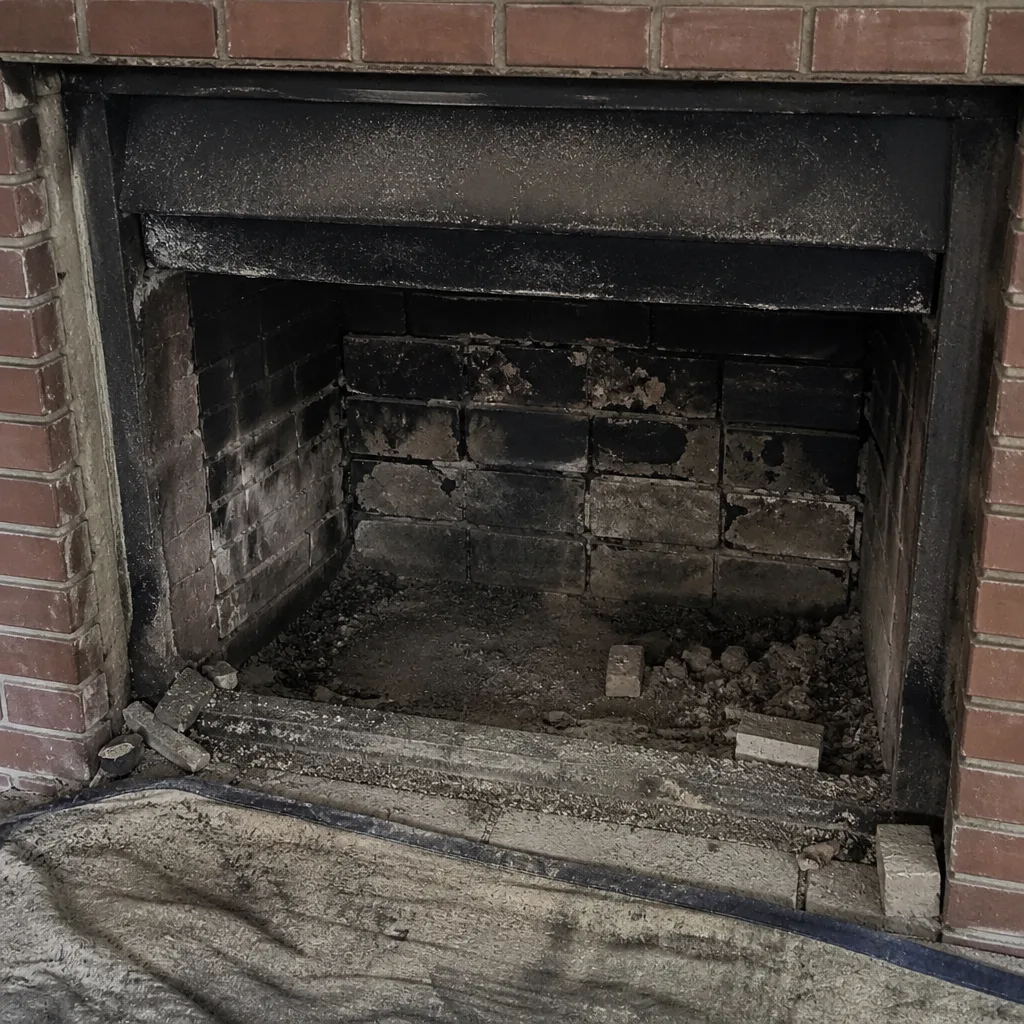 Before
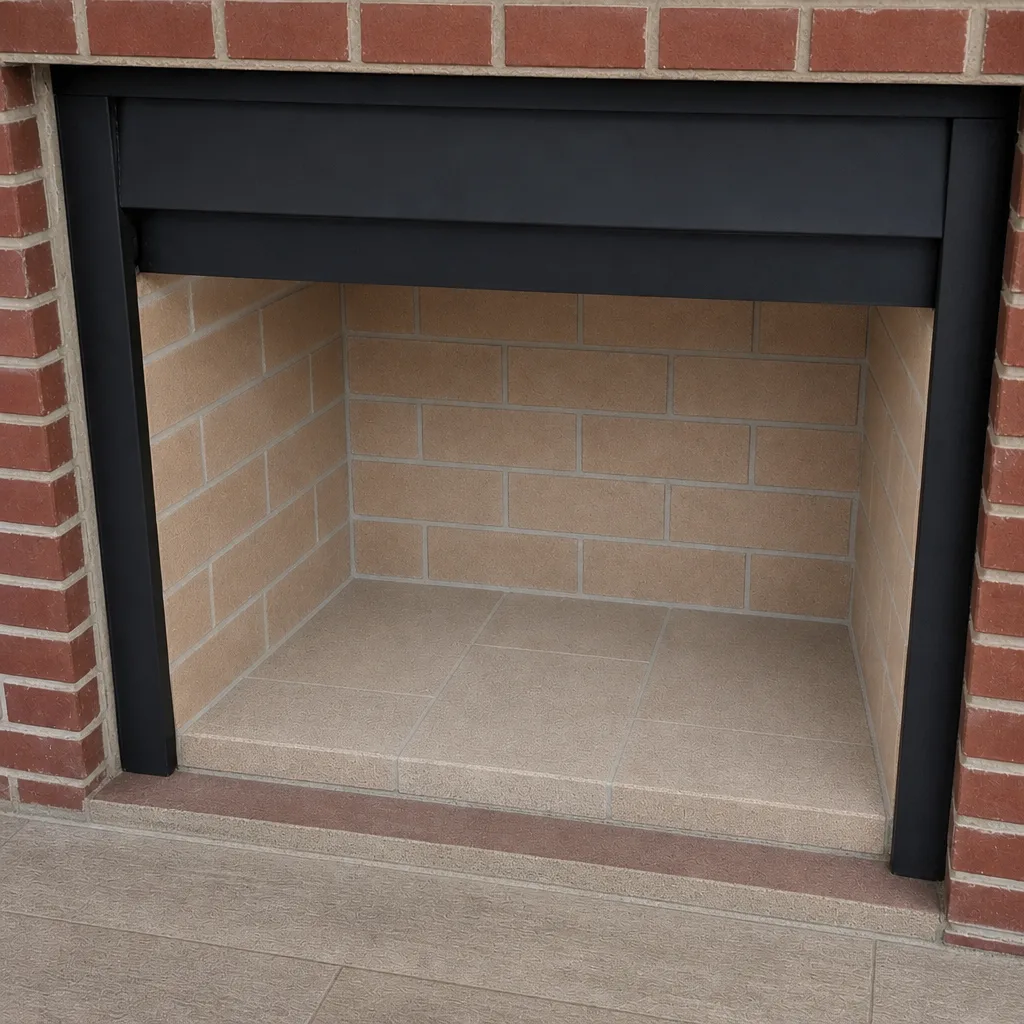 After
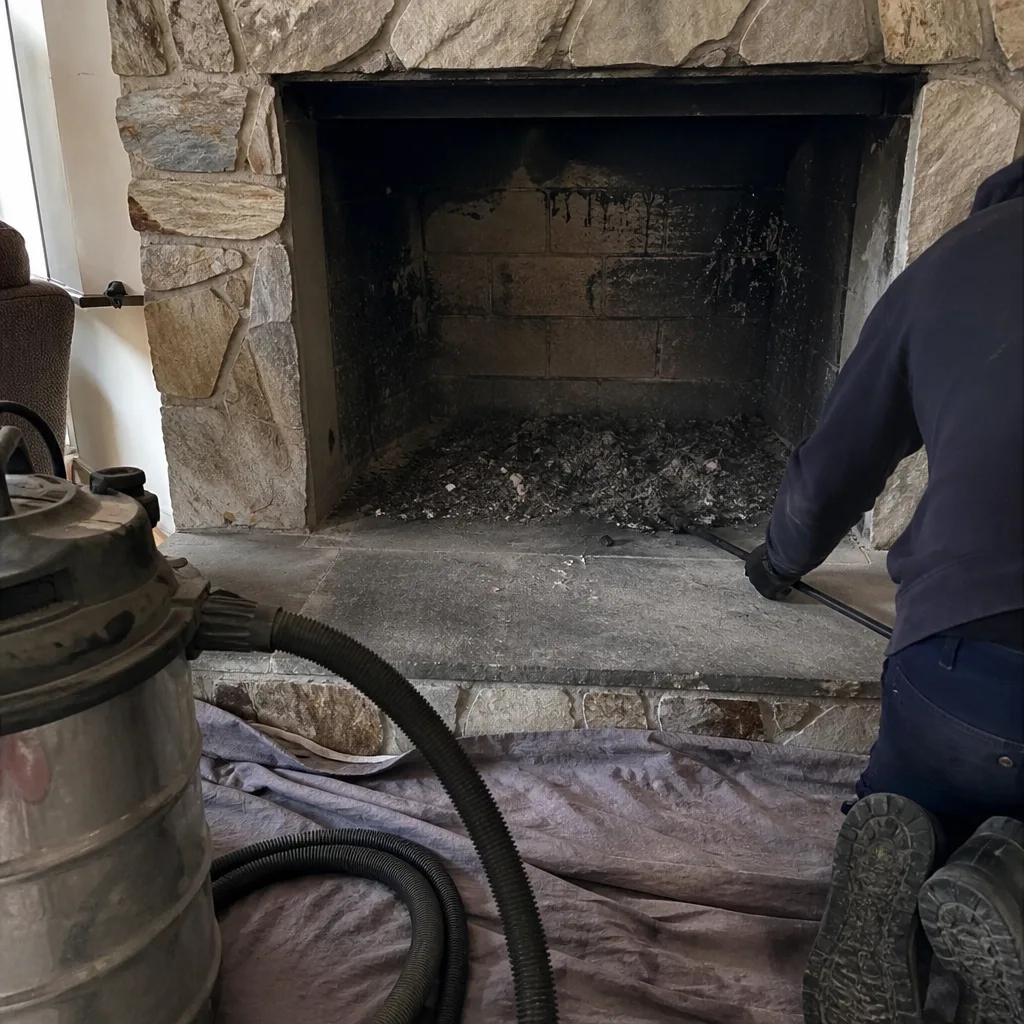 Before
 After
 Before
 After
When to Call a Professional
Call a professional chimney sweep in Kent when you smell a hot, tarry odor or hear a low rumble that suggests a chimney fire; when smoke rolls back into the room instead of drawing up; when your carbon monoxide detector has alarmed with the fireplace in use; when debris or a nest is visible at the top of the flue; when you haven’t had the chimney inspected in over a year; or when you’ve just had a chimney fire and no one has yet confirmed the liner is intact. For the annual pre-season inspection and sweep, book it before October. Chimney Sweep Kent offers free estimates in Kent – call (866) 942-7714. We answer 24/7. Fast dispatch from 7am to 7pm, Sunday through Friday.
Frequently Asked Questions
A standard chimney sweep in Kent typically ranges from $150 to $300, and a camera inspection with photo report usually falls in the $100 to $250 range. Repairs like HeatShield flue resurfacing or a DuraFlex reline are quoted after inspection, because the price depends on flue condition and configuration. The written estimate sets the final price. Call (866) 942-7714 for an exact quote – estimates are free.
Not always – a cracked clay flue can often be restored with HeatShield resurfacing instead of a full reline, and that’s the path we check first. A new DuraFlex liner is the correct repair when the original flue has lost enough structural integrity that resurfacing alone won’t hold. The camera inspection is what tells you which path is right for your flue. Nothing gets recommended without evidence you can see for yourself. Call (866) 942-7714 for an exact quote – estimates are free.
A chimney used as a primary heat source should be swept annually, and one used occasionally for ambiance should still be inspected annually and swept on the schedule the inspection recommends. Creosote builds up more slowly on a well-seasoned fire, but it doesn’t stop building, and the moisture typical of western Washington weather adds another path to liner damage. Annual inspection and sweep is the baseline. Call (866) 942-7714 for an exact quote – estimates are free.
Creosote accumulates in the flue, narrowing the draft and giving a chimney fire the fuel it needs to start. Blockages from nests and debris can also cause CO to spill back into the home. Skipping one season is not automatically a disaster, but the flue is in unknown condition until someone looks at it. If you’ve skipped more than a season, book the inspection before you burn again. Call (866) 942-7714 for an exact quote – estimates are free.
We answer 24/7, and dispatch runs Sunday through Friday, 7am to 7pm. We are closed on Saturday. For a chimney fire, a CO alarm, or smoke backing into the room, call 911 first – that’s the fire department’s job, not ours. For the inspection and repair after the fire is out, we book into the next opening. Call (866) 942-7714. We answer 24/7. Fast dispatch from 7am to 7pm, Sunday through Friday.
Keep the fireplace and stove out of use, photograph everything, call your insurer, and book an inspection before relighting. Documentation matters here – most insurance claims for chimney fires require an inspection report and photos. A Level 2 inspection with camera access shows what the fire did to the flue and confirms whether HeatShield resurfacing or a DuraFlex reline is the right path forward. That inspection is how Kent homeowners move from emergency to a documented safe chimney. Call (866) 942-7714. We answer 24/7. Fast dispatch from 7am to 7pm, Sunday through Friday.
The Bottom Line
Chimney emergencies in Kent follow patterns: quiet chimney fires that go unnoticed, CO events from blockages and cracked liners, sudden draft failures that turn a normal fire into a smoke-in-the-house event. The preparation is what changes the outcome, and the preparation happens before October. Have a detector in the fireplace zone, a pre-season inspection on the calendar, a sweep contact in your emergency kit, and a written plan for what to do in the first five minutes. When something does go wrong, the path forward is documented inspection, plain-language explanation of what’s wrong, and a written repair scope. Nothing is recommended without evidence you can see.
Contact
If you’re ready to schedule a pre-season sweep, an inspection after a chimney fire, or a repair that restores your flue, call Chimney Sweep Kent at (866) 942-7714 for a free estimate. We answer 24/7 with fast dispatch from 7am to 7pm, Sunday through Friday. Our technicians have up to experience, and we work from the Kent area as your neighbors – one company handling the sweep, the inspection, and the repair so nothing gets handed off mid-project.
Written by the team at Chimney Sweep Kent.