
Last updated November 15, 2026
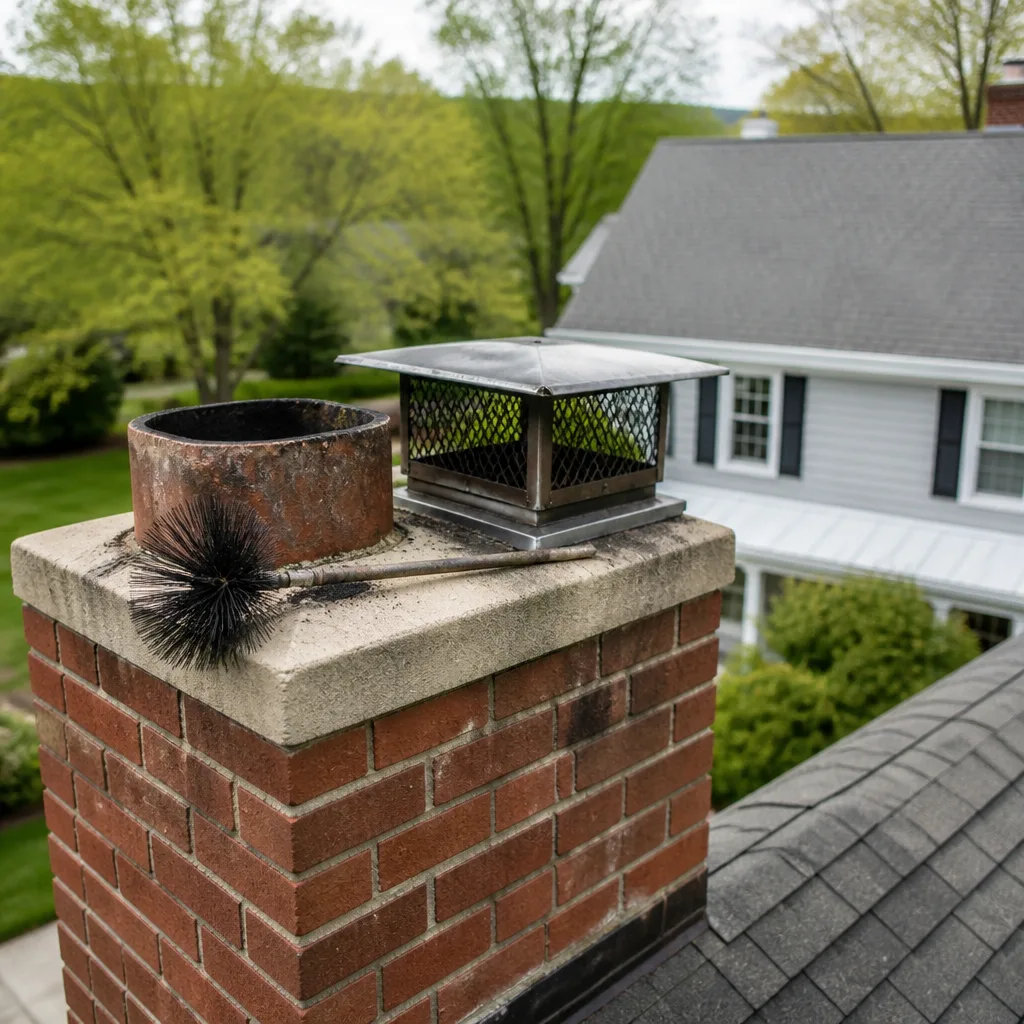 Sweep & inspection
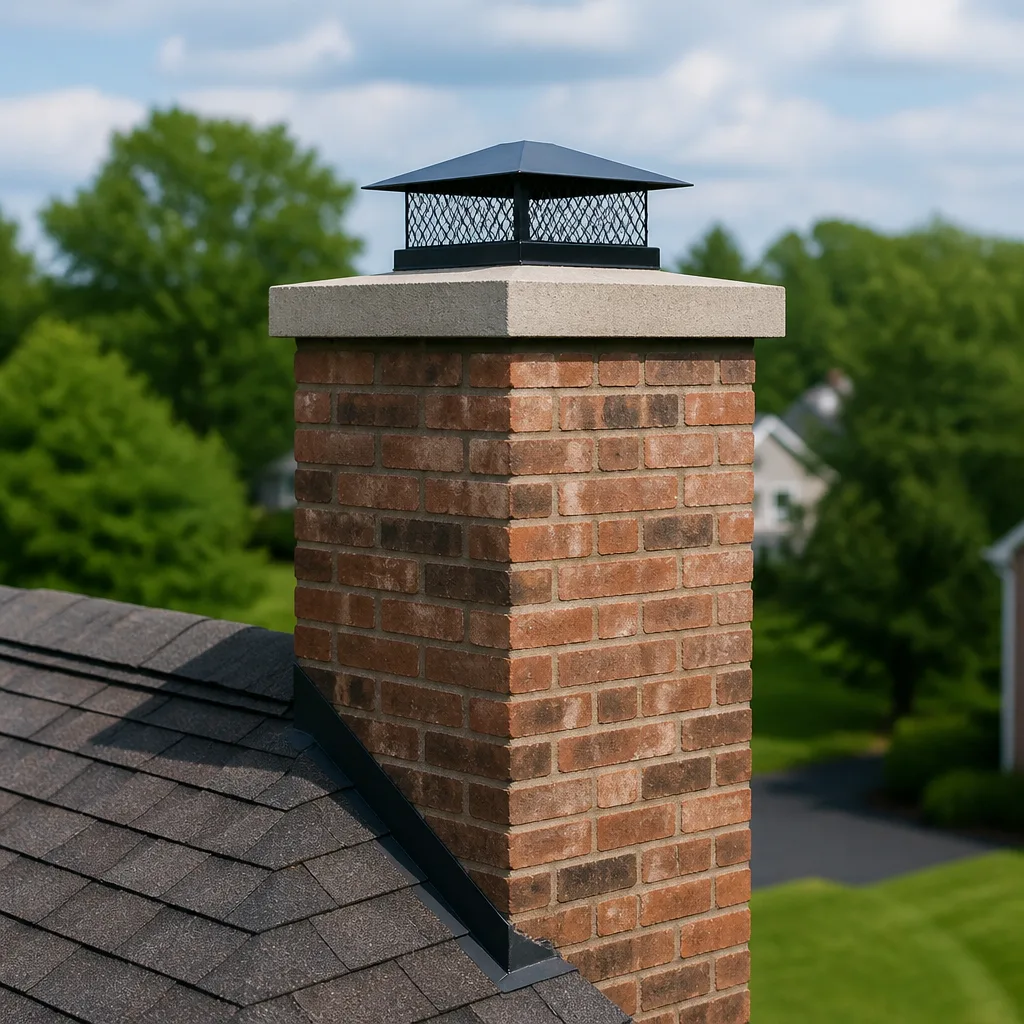 Caps & crowns
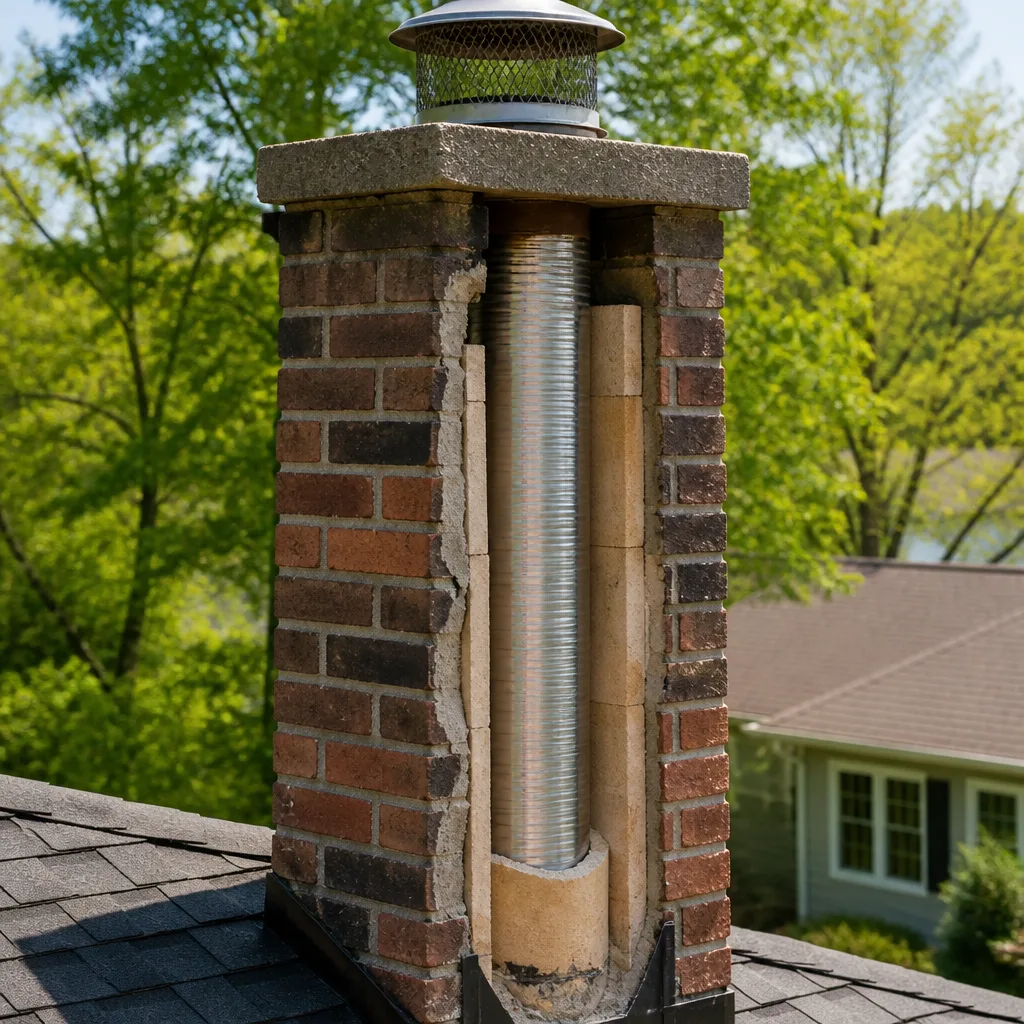 Flue relining
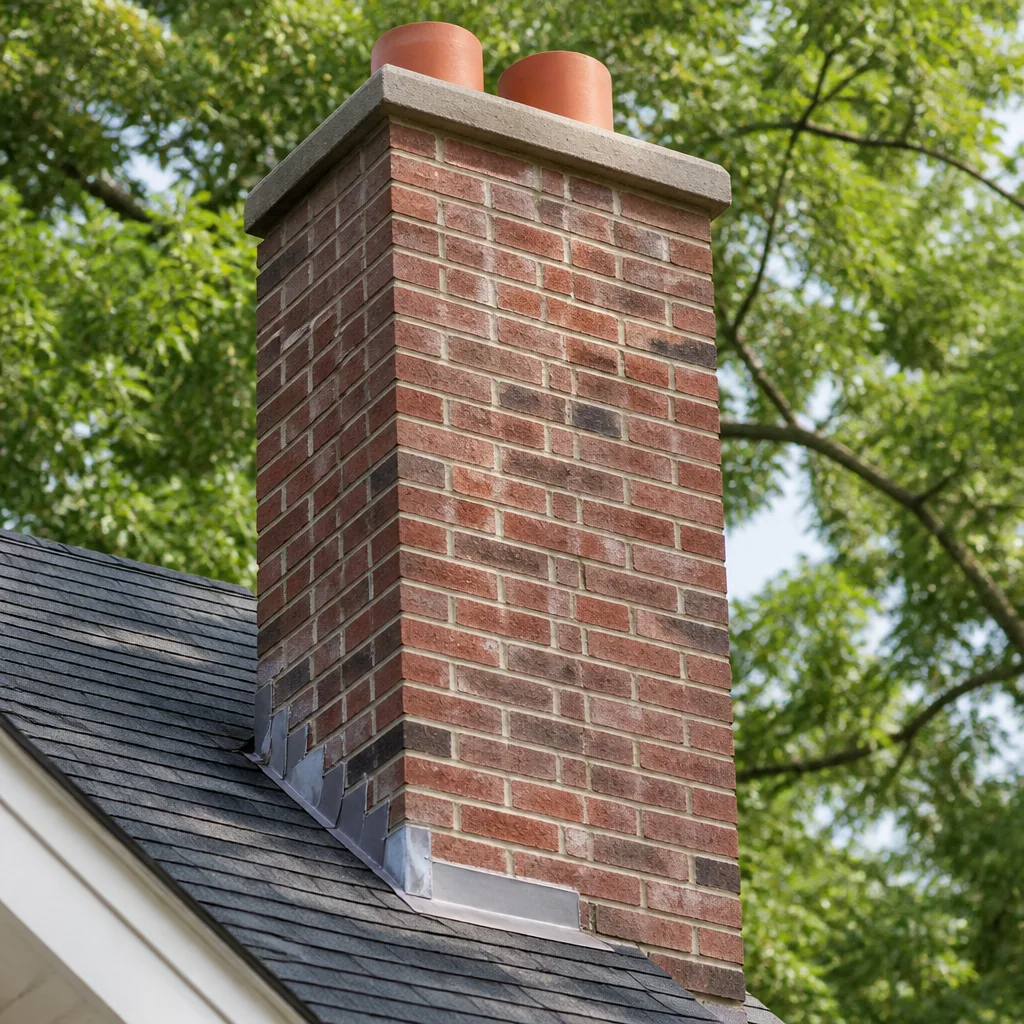 Masonry repair
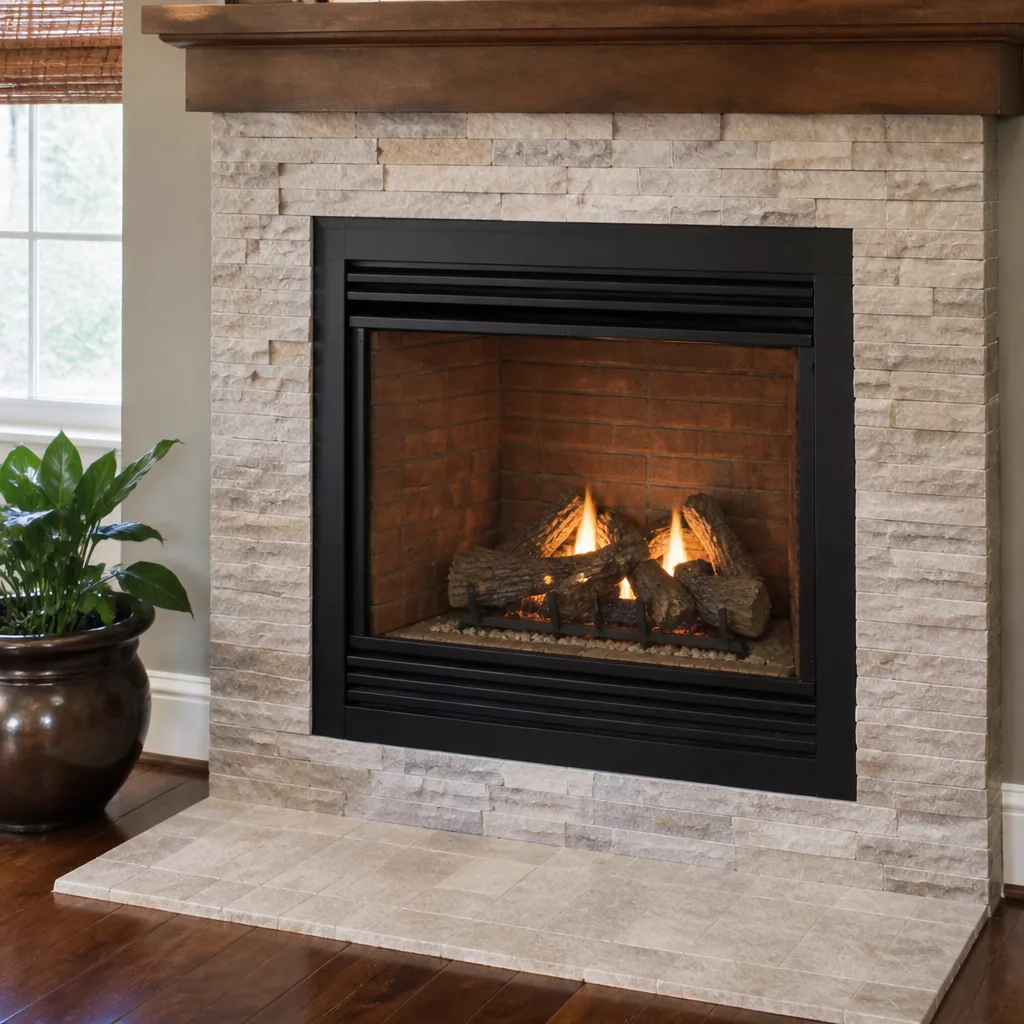 Gas fireplace service
Level 1 sweep and inspection to the NFPA 211 annual standard - flue, crown, cap, and flashing checked and photographed
Chimney sweep logs do not sweep chimneys. They loosen some creosote - which then falls where a brush and vacuum still have to collect it.
How to Hire a Chimney Cleaning Contractor in Kent: A Step-by-Step Guide
Washington State doesn’t license chimney sweeps. That single fact changes how you should shop. Nothing on a contractor’s truck, business card, or website legally prevents the person who shows up from being on their first chimney job ever, and no state board will step in if the work goes wrong. The certification you’ll hear about most, from the Chimney Safety Institute of America, is voluntary. It still matters, but it isn’t a government seal. This guide walks through what’s legally meaningful in Washington, which credentials are marketing, and exactly what a service agreement should say before you hand over a key to your Kent home.
Quick Answer
To hire a chimney cleaning contractor in Kent, verify CSIA certification, confirm active business registration through the Washington Secretary of State, ask for liability insurance documentation, and insist on a written scope of work before anyone books the job. A legitimate contractor will show you photos of what they find and explain your options before recommending any repair.
Styles & brands we work with
- Sweep & inspection
- Caps & crowns
- Flue relining
- Masonry repair
- Gas fireplace service
Table of Contents
- Why Chimney Sweeping Is an Unregulated Trade in Washington
- What CSIA Certification Actually Verifies
- Questions That Separate Specialists From Generalists
- Red Flags in Chimney Cleaning Quotes
- What a Legitimate Service Agreement Contains
- Cross-Referencing Business Registration
- Sweep, Repair, and Inspection: Why It Should Be One Company
- Common Mistakes to Avoid
Why Chimney Sweeping Is an Unregulated Trade in Washington
Washington regulates electricians, plumbers, and general contractors. It does not regulate chimney sweeps. There’s no state exam, no competency board, and no licensing database to check a sweep against. A person can buy a brush and a shop vacuum and call themselves a chimney professional. That’s the reality you’re shopping in, and it’s why the screening steps in this guide exist.
Contrast that with what the state does require. General contractors who perform structural work above a certain value fall under the Department of Labor & Industries contractor registration system. If a chimney repair crosses into structural masonry work, your contractor may need that registration. Ask about it. A sweep who only cleans and inspects the flue isn’t performing contractor work, but a company that tears into a chimney chase and rebuilds the crown or repoints brick may be. If the answer is “we don’t need that,” press and ask why. A knowledge gap here is worth noting before you schedule.
What fills the vacuum left by the state is the Chimney Safety Institute of America. The CSIA is a nonprofit that certifies individual sweeps through an exam and a code of ethics. It’s not a government authority. It’s the closest thing this trade has to a recognized standard.
For Kent homeowners, this means the hiring burden shifts to you. There’s no license number to look up and no state board to file a complaint with. Instead, you weigh certification, references, transparency, and whether the contractor can explain the actual mechanics of your flue. A sweep who can’t tell you what a smoke chamber is probably can’t tell you whether yours is sound. That’s the baseline we’d want to see before letting someone on our own roof.
One more local wrinkle: Kent sits in a low-elevation valley basin, so the county as a whole is often under burn bans that the Cascade foothills above aren’t. If you burn wood as your primary heat, understanding whether overnight smoldering fires are legal on a given evening is part of being a responsible chimney owner here. That topic isn’t a hiring credential, but it tells you something. A sweep who knows the local burn-ban rules will often flag creosote buildup risk when they spot it, because smoldering fires in a cold valley invert temperature in the flue and speed buildup. If a contractor has no awareness of that local pattern, ask why.
What CSIA Certification Actually Verifies
The CSIA certification means a specific individual passed a written exam on chimney construction, venting, and codes, signed a code of ethics, and stays current through continuing education. It verifies that person’s knowledge. It does not verify the company behind the person, and it does not cover insurance, business practices, or workmanship. A company can put “CSIA certified” on hand and still send a different person who isn’t certified. Ask which specific technician will be on-site.
Here’s what CSIA certification does and doesn’t cover:
What it tells you:
- The certified individual passed a proctored exam on flue mechanics, venting science, and applicable codes.
- That person committed to a written code of ethics, which includes not using scare tactics to sell unneeded repairs.
- Continuing education requirements keep the holder current on code changes.
What it doesn’t tell you:
- Whether the company carries liability insurance or workers’ compensation.
- Whether the person on your roof tomorrow is the person who passed the exam.
- Whether the company performs repair work in-house or hands it off to a second contractor.
- Whether the quote you get will match the invoice.
That last point is where a lot of Kent homeowners get burned. The certification gap between “certified sweep” and “certified sweep who will quote you in writing and honor it” matters more than the badge itself. Our position is simple: certification is necessary but not sufficient. Pair it with the registration checks and scope-of-work review below, and you’ve screened for most of what goes wrong.
When you call a contractor in Kent, ask directly: “Is the technician who’ll be on my roof CSIA certified, and can you confirm that before booking?” A specialist knows the answer immediately. A generalist handyman with a brush will dodge the question or change the subject to price. That dodge is your answer.
Questions That Separate Specialists From Generalists
The quote call is where you can tell an experienced chimney specialist from a handyman who owns a brush. The difference isn’t bravado. It’s fluency. A specialist talks about your chimney’s construction, its venting configuration, and the specific failure points that apply to it. A generalist talks about cleaning.
Here’s the list we’d use to screen any chimney sweep in Kent:
- “What kind of chimney do I have, and how would you inspect it?” A specialist wants to know the flue type, the liner material, and the appliance configuration before quoting. A generalist says “we clean it, don’t worry.”
- “What does your inspection include?” A legitimate answer names a camera inspection with a photo report. If the answer is “we look up from the firebox,” they’re not certifying anything.
- “What brands do you install for relining or caps?” The answer should include named professional-grade brands. Listen for HeatShield resurfacing systems, DuraFlex liners, Olympia Chimney components, or Gelco and Famco cap and damper products. Big-box substitutes are a mark of a company that doesn’t do full repair work.
- “What’s your rate structure, and will I get it in writing before you book?” The price should be set by a written estimate per job, not a flying guess over the phone.
- “Do you handle repair or refer it out?” If they refer to a second contractor for anything beyond cleaning, you’ll have a gap in accountability if the repair goes wrong.
- “Are you registered with the Washington Secretary of State, and can you show proof of liability insurance?” The answer should be yes and yes, or a clear “I’ll have it over to you.”
Any single hesitation isn’t fatal. But if a contractor stumbles on two or three of these, that’s a signal. Chimneys fail in specific ways in Kent: creosote buildup in the flue, water intrusion at the crown and cap in an area that gets plenty of wet weather, cracked flue tiles that open up over time. A specialist knows which of these is most likely for your specific home and will say so without being prompted. A generalist cleans and leaves.
Red Flags in Chimney Cleaning Quotes
The most common trap in chimney cleaning is the low ball. A quote that comes in well under the going rate is worth questioning, because the economics don’t work unless the work is going to grow after arrival. That’s not a pricing theory. It’s how unscrupulous sweep operations run.
Here’s what to watch for in a quote or during the first visit:
- An unusually low flat rate with no written scope. If the number is startlingly low and the contractor won’t put in writing what it covers, the low number isn’t the price. It’s the opening bid.
- Upselling before anyone has seen the chimney. A legitimate contractor can’t tell you need a relining job over the phone. If they do, the recommendation isn’t based on evidence.
- Refusal to provide a written scope of work before booking. A real scope names what gets cleaned, what gets inspected, what counts as a finding, and what happens if damage is discovered. If none of that is documented, you have no protection.
- No camera inspection offered. Any recommendation without a photo you can look at yourself is a recommendation you can’t verify. We don’t sell on scare.
- Pressure to repair “now” without a documented finding. Creosote levels, liner condition, and flue integrity can be photographed and shown. If they aren’t, walk.
- Cash only, no business name on the invoice, no registration. These overlap with the registration check below, but the pattern is worth naming.
The flip side of the low-ball trap is a high-ball “you need the whole thing replaced” quote that comes in just after the sweep. Some of the largest complaints homeowners file about chimney companies fall here. The counter to both is simple: nothing should be recommended without camera evidence you can see yourself. Anything that can wait should be described as something that can wait.
One specific alarm bell in Kent: a contractor on a south-King-County roof in a wet season who recommends a full reline without inspecting for water damage first. Water intrusion at the crown and cap is common enough here that it deserves a look before the deepest repair is priced. If the quote jumps straight to relining, ask whether a HeatShield resurfacing assessment has been considered. A sweep-only company can’t offer that, which is exactly where the value of a full-scope specialist becomes real.
What a Legitimate Service Agreement Contains
Once you’ve found the right contractor, the document you sign matters as much as the crew. A legitimate service agreement names what’s included, what’s covered if something goes wrong, and what happens when the job turns up something the quote didn’t anticipate. Here’s what to expect.
1. Written scope of work. The agreement should state exactly what’s being cleaned and inspected. “Chimney sweep” is not a scope. A scope names the flue, the firebox, the smoke chamber if applicable, and whether the appliance is gas or wood. It names the inspection level (a basic annual check vs. a real-estate transaction inspection).
2. Liability coverage minimums. Ask for a certificate of insurance showing general liability coverage. Ask what the coverage limits are, and confirm the certificate is current. Workers’ compensation coverage matters too, since a technician injured on your roof without coverage can become your problem.
3. Cleanup guarantee. A professional sweep runs drop cloths, a HEPA vacuum, and shoe protection. The agreement should state that the workspace will be left as it was found. Anything less is a company that will leave soot in your carpet.
4. What happens if damage is found during the job. This is the clause most homeowners never ask about. If the sweep finds cracked flue tiles, a deteriorated crown, or a failed cap mid-job, does the work stop? Does the contractor photograph the finding and quote the repair separately? Who approves the extra work and how? A legitimate contractor documents the finding, explains the options, and lets you decide before any additional work is booked.
5. Proof of inspection. The agreement should produce a written report and photos. If the deal is verbal, you have no inspection record to show your insurer, a homebuyer, or yourself next season.
Insist on all five before anyone climbs on your roof. The strongest signal that a company is legitimately professional is that they hand you this document before you ask. If you have to drag it out of them, you’re back to the screening questions.
Cross-Referencing Business Registration
Washington’s Secretary of State maintains a public business registry at sos.wa.gov. Any legitimate contractor operating under a business name in Kent should be findable there. Even a small sole-proprietorship chimney cleaning company operating as a business entity typically has a registration on record. The check takes two minutes and gives you a documented business identity to hold responsible.
Here’s how to run it:
- Get the exact legal business name. Not just the truck name. Ask the contractor, “What’s the registered name of your business, and in what entity type?” The answer should be specific: an LLC, a corporation, or a sole proprietorship.
- Search the registry. Go to the Secretary of State’s website and search the business name in the business lookup tool.
- Compare the record against the name on the contract. The name on your service agreement should match a registered entity. If it doesn’t, ask why. A slight variation is normal – “Chimney Sweep Kent LLC” vs. “Chimney Sweep Kent” – but a completely different legal entity is a red flag.
- Check the registration status. Is the entity active or dissolved? A dissolved entity may still be sending quotes, but the business behind the contract isn’t legally in good standing.
- Check the registered agent. The registered agent is a person or company that can receive legal correspondence. That’s not the owner’s home address. It’s the entity’s point of legal contact.
If a contractor complains about this check, that’s informative. A legitimate business expects it. For Kent homeowners working with anyone who hasn’t been recommended by a neighbor they trust, this is the single most useful public check available.
You’ll also want to cross-reference the L&I contractor registration for any structural work above the small-project threshold. A company that performs chimney masonry repairs, crown rebuilds, or major relines is likely required to be registered with L&I. Ask to see the registration. If your contractor can’t show it, you’ve found a gap. It doesn’t automatically mean the company is fraudulent. It does mean you have less recourse if work goes wrong.
Sweep, Repair, and Inspection: Why It Should Be One Company
Chimney work breaks into three disciplines: sweeping, repair, and inspection. Often, a homeowner hires three different companies across a few years and loses accountability at every hand-off. The last contractor blames the previous one, and the customer pays. We’d rather you understand the case for finding one company that handles the full lifecycle of your chimney.
A chimney repair finding made during a sweep is more useful when the same company can quote the repair. A repair recommendation is more trustworthy when the person recommending it also did the inspection that produced the evidence. An inspection is more reliable when it’s done by an inspector who also sees the repair side of the trade and knows what a viable fix looks like.
There’s also a materials angle. Companies that only sweep can’t specify and install professional-grade relining components. They hand it off. Companies that do full repair work specify brands like HeatShield for resurfacing a cracked flue without a full reline, DuraFlex for liner installations, and Olympia Chimney or Famco components for caps, dampers, and venting. These aren’t interchangeable. The right parts match the flue configuration, and specifying them correctly the first time saves callbacks and warranty headaches.
Our stance is deliberate. We handle sweep, inspection, and repair under one roof because that’s the only way to keep the evidence trail connected from a dirty flue to a signed repair estimate. If you’re working with a sweep who refers repair to somebody else, ask how the inspection report gets to the repair specialist and who signs off on the finished work. If nobody does, the answer to “who do I call when this goes wrong” becomes “nobody.”
For Kent homeowners using a wood-burning fireplace or gas insert as part of a home’s real heating system, this matters more than for a decorative-only owner. Seasonal use stresses the flue more. The inspection cadence is higher. A specialist who knows the local pattern – valley inversion and burn-ban rules, wet-season water intrusion, the way a gas insert vents differently than an open-hearth wood fire – can spot the problems that matter.
Common Mistakes to Avoid
- Hiring on price alone. The lowest quote in Kent today is usually the one that grows fastest tomorrow. Price the work, not the opening number, and require the written estimate before booking.
- Skipping the registration check. Two minutes on the Washington Secretary of State site prevents a lot of surprises. Kent is a mid-sized market, and a business that isn’t findable there is worth questioning.
- Accepting a phone diagnosis. No contractor can tell you need a relining job over the phone. If they do, the recommendation isn’t based on evidence you can see.
- Not asking whether the technician on-site is CSIA certified. The company certification and the technician certification can differ. Ask for the name.
- Skipping the inspection to save a little money. A cheap sweep that leaves a cracked flue tile or a blocked cap in place saves you the price of a camera inspection and creates the conditions for a chimney fire. Only the inspection can catch what a brush can’t.
- Accepting an upsell before the sweep is complete. A proper recommendation happens after the evidence is in front of you. If the upsell comes before the inspection, walk.
- Not documenting findings in writing. The inspection report and photos are the receipt of the trade. If you don’t have them, you have no year-over-year record and no evidence for your insurance company.
Each one of these mistakes has a fix, and most of the fixes are free: a phone call, a registry search, and a question or two during the quote. That’s the whole filter. The alternative is paying for work that doesn’t hold and having no documentation to argue with.
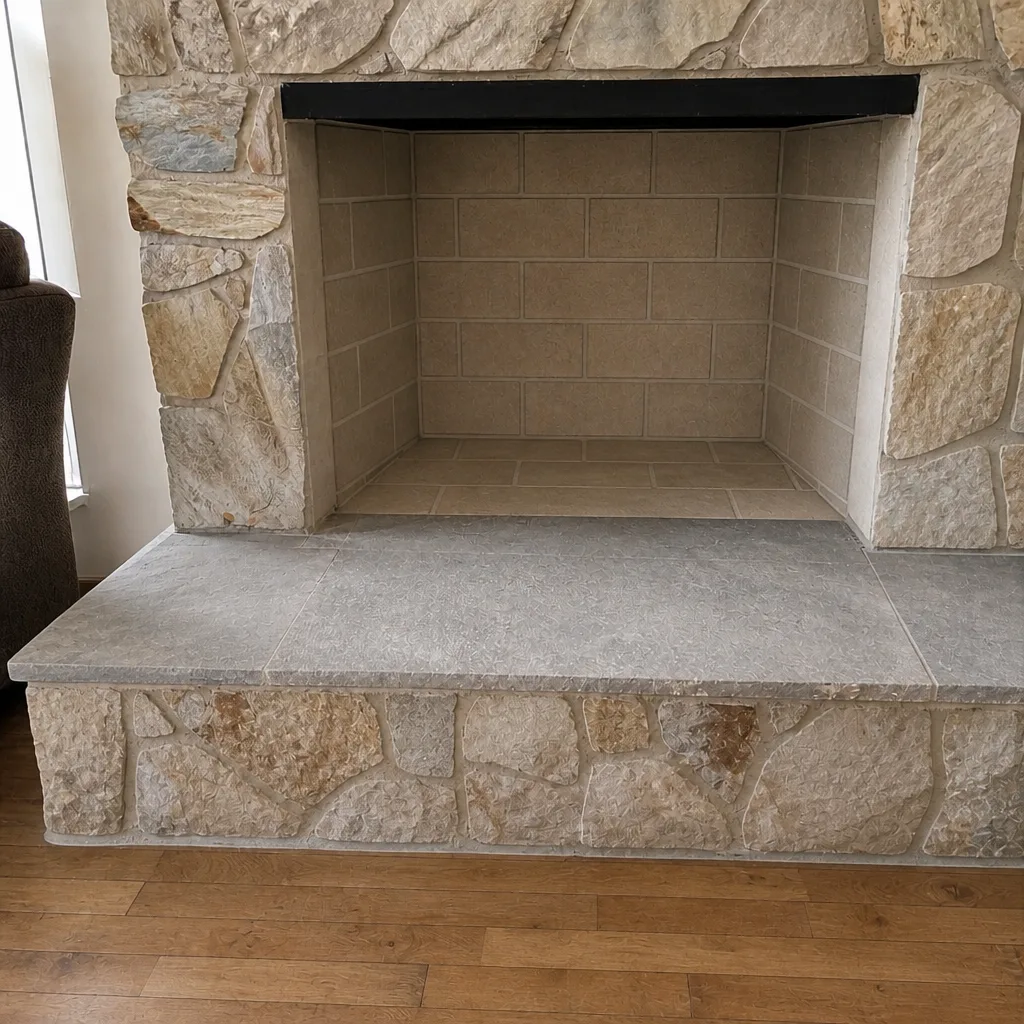
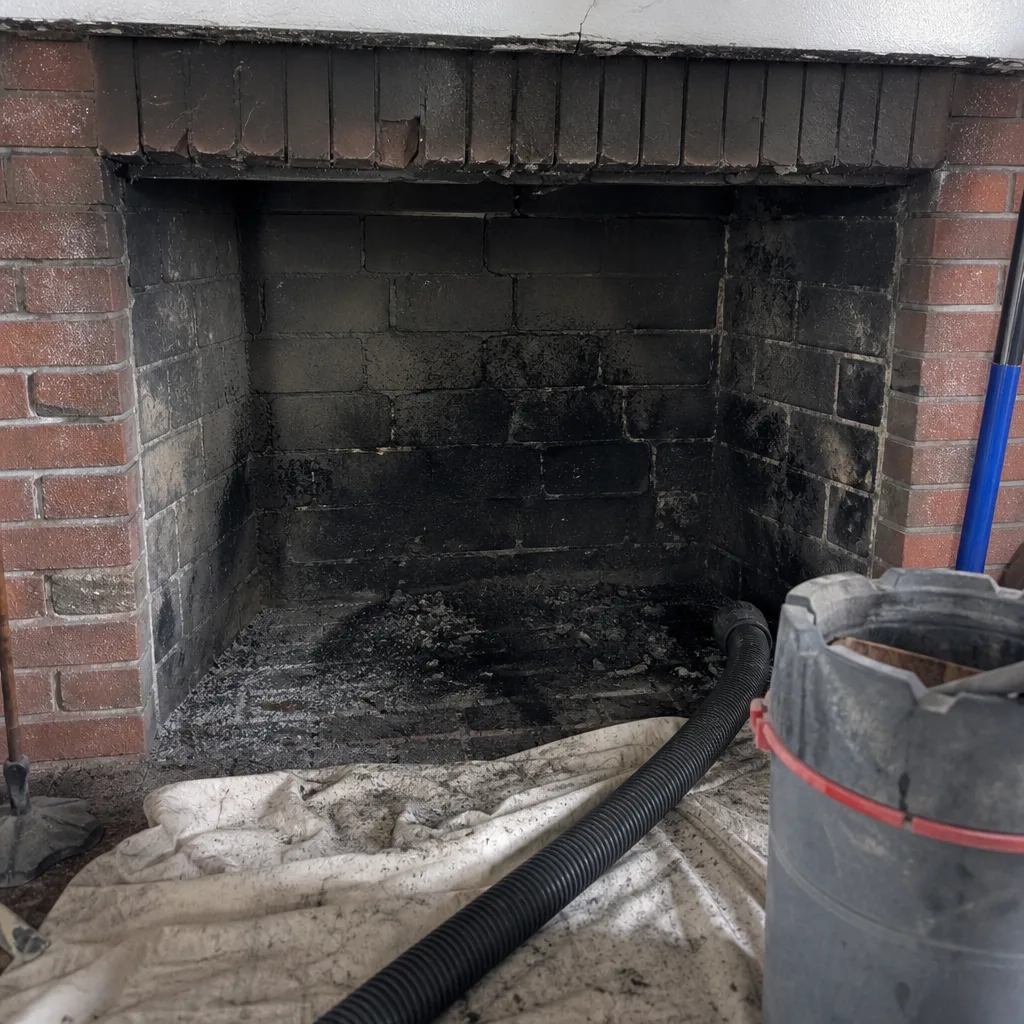
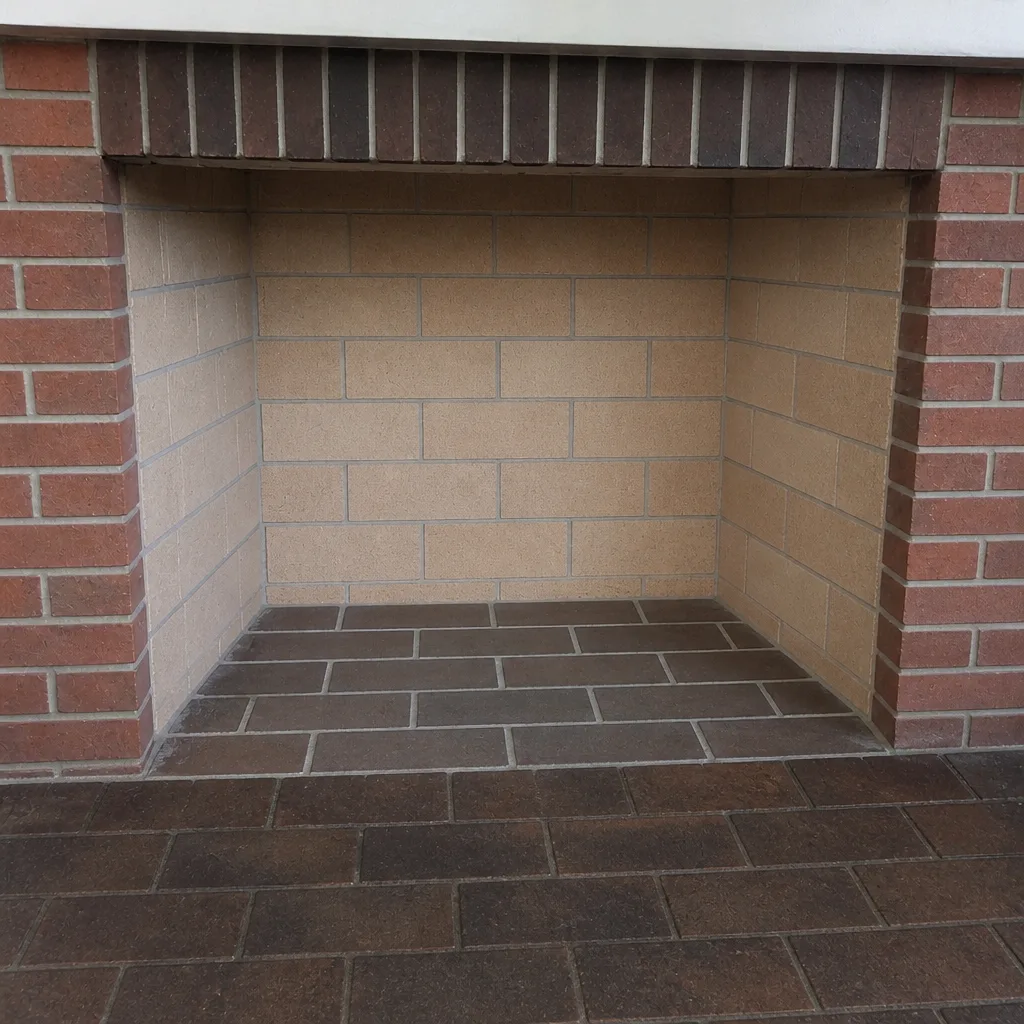
See the difference
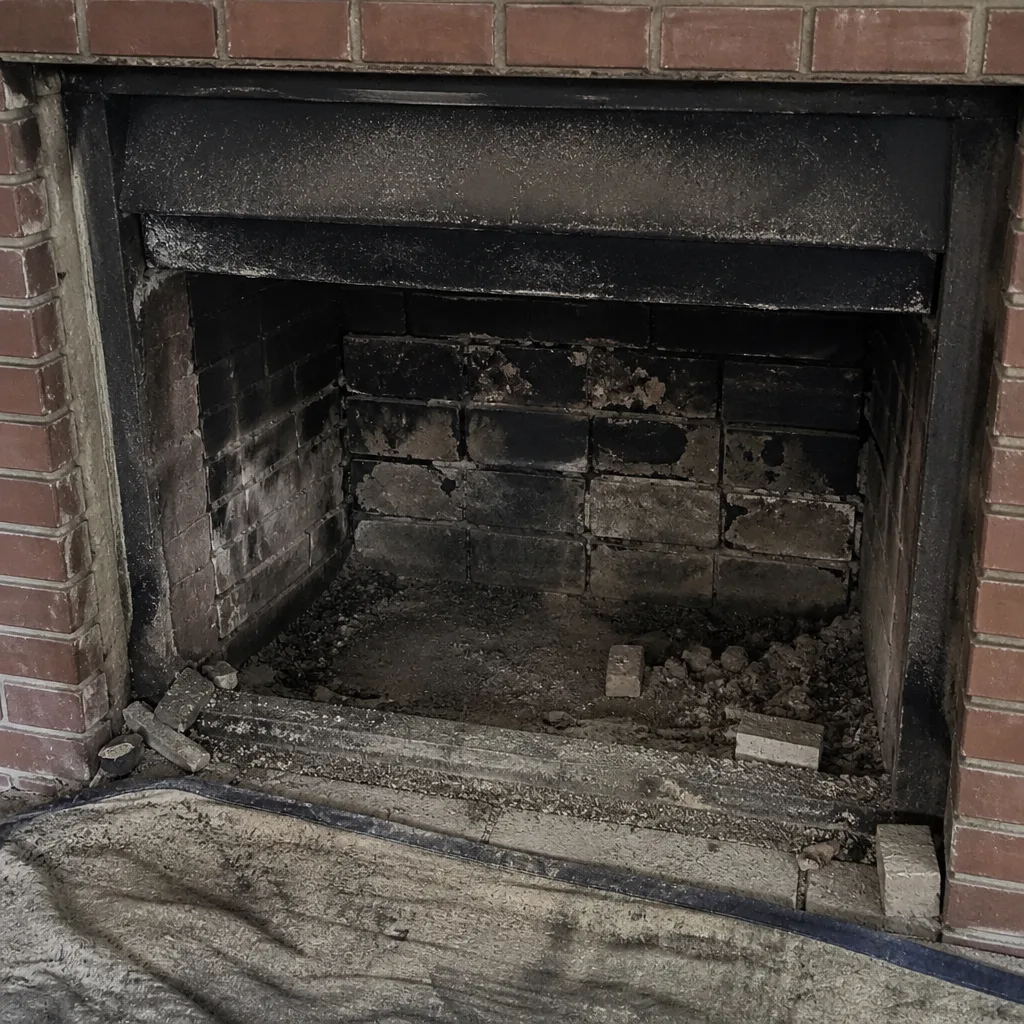 Before
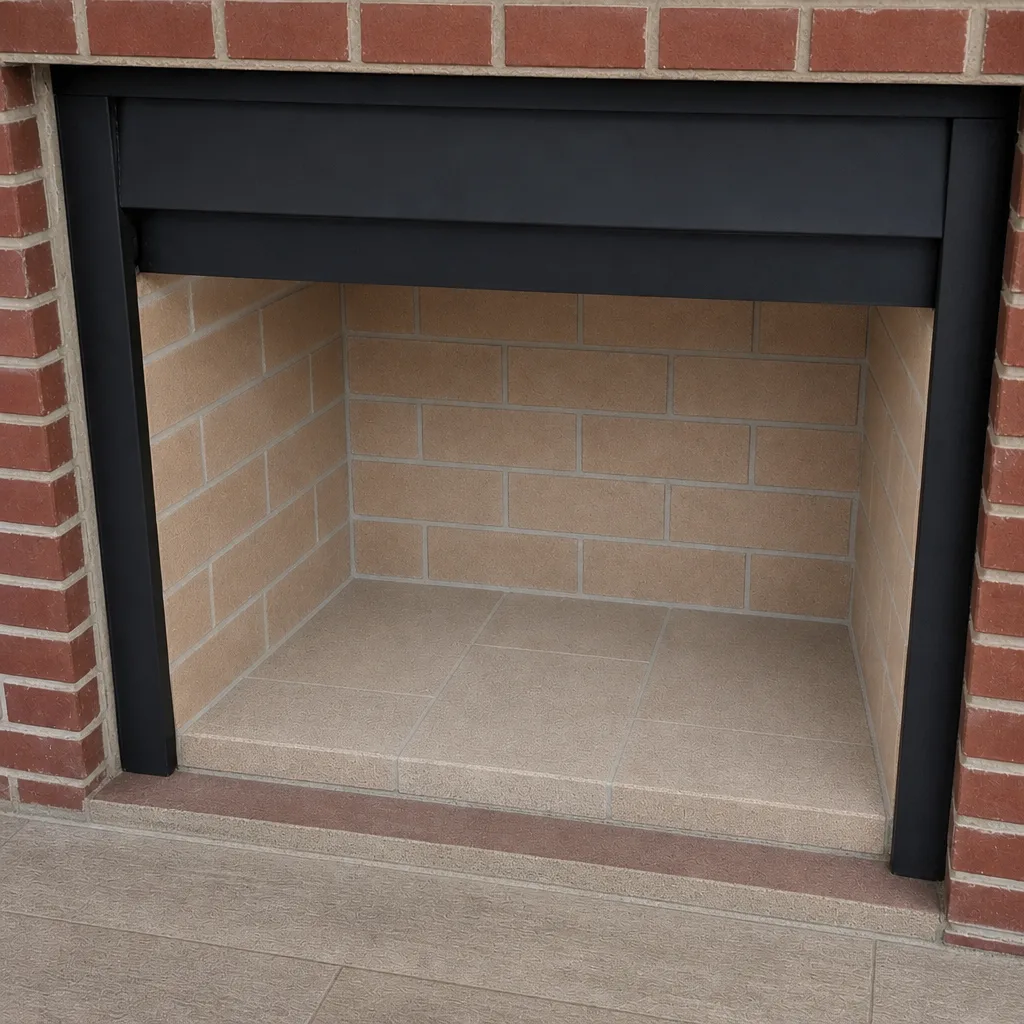 After
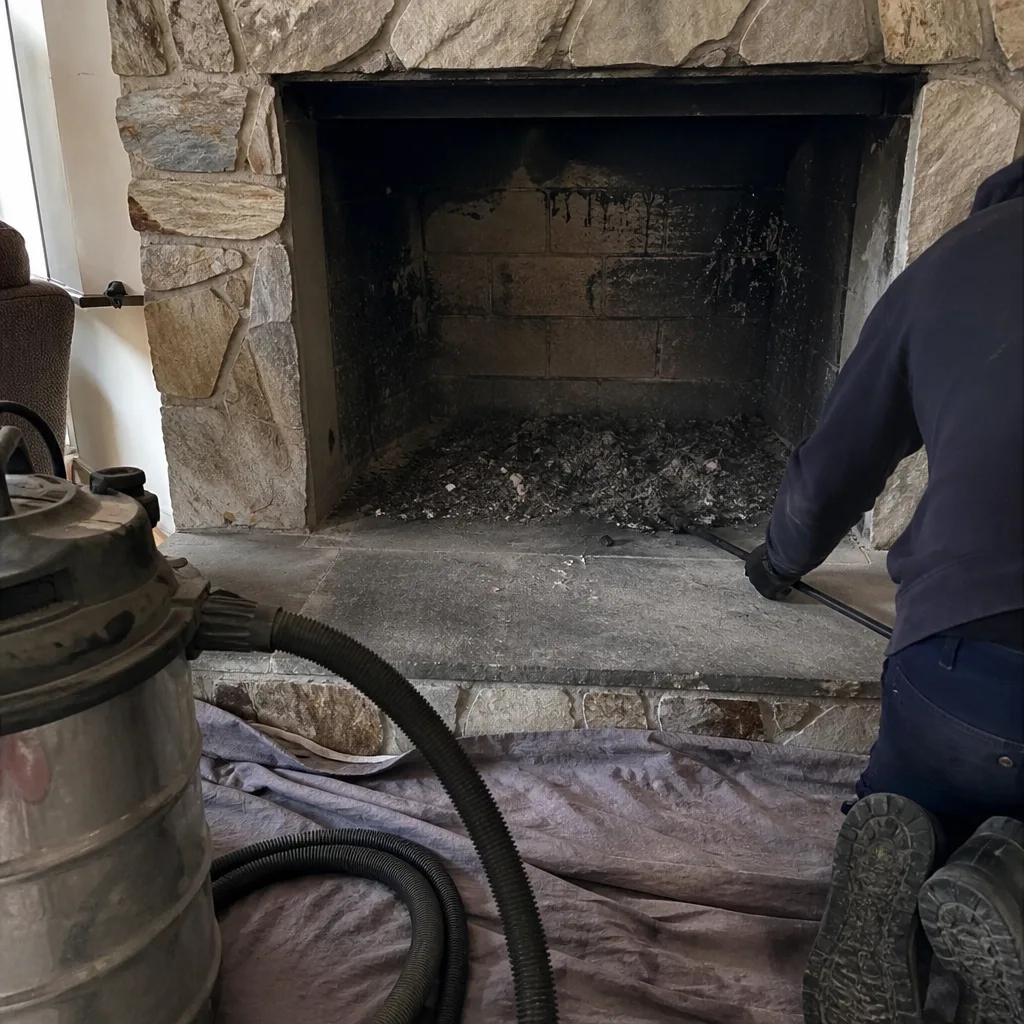 Before
 After
 Before
 After
When to Call a Professional
A few situations call for a professional sweep rather than the “wait and see” approach. If you’ve burned through a season of wood and you can’t remember the last time the flue was cleaned, that’s the first scenario. If smoke backs into the room when you light a fire, or the fire struggles to draft, don’t run another burn – call. If you smell a strong creosote odor on warm days, the flue has likely accumulated beyond what a routine clean clears. A stained or rusted chimney cap is another call; water in the flue is a repair case, not a cleaning case. Finally, any gas appliance venting through a chimney should be checked annually, and any wood-burning appliance used as meaningful heat should get an annual inspection even if the sweep interval is longer.
If you’re in Kent and want a straightforward assessment with photos you can look at yourself, Chimney Sweep Kent offers free estimates in Kent – call (866) 942-7714. We’ll tell you when work can safely wait. We’ll show you what we find before we recommend anything.
Frequently Asked Questions
A routine chimney sweep in Kent typically runs in the low hundreds of dollars, with the exact price set per job by a written estimate after the technician sees the flue configuration and the level of buildup. Camera inspection and a photo report come with the visit. Call (866) 942-7714 for an exact quote – estimates are free.
Not always, and no contractor can tell you for sure over the phone. If the flue tiles are cracked but structurally sound, HeatShield resurfacing can often restore the liner at lower cost than a full reline. A full DuraFlex liner installation is the right choice when the existing liner is failing beyond what resurfacing can fix. The decision should always follow a camera inspection with photos you can see. Call (866) 942-7714 to book an inspection – estimates are free.
For a wood-burning fireplace used most of the cold season, an annual inspection and sweep is the common recommendation. Gas appliances venting through a chimney should get an annual check even when no creosote is expected. If you use the fireplace seasonally rather than daily, you can often stretch the sweep interval, but the annual inspection stays. Call (866) 942-7714 to schedule one – estimates are free.
Creosote accumulates inside the flue, and at sufficient thickness it can ignite from a hot fire, causing a chimney fire that can spread into the structure. On the gas side, a blocked or deteriorated flue can allow carbon monoxide to back into the living space. Neither scenario is common in a well-maintained home, and that’s exactly the point: the annual inspection is what separates a safe flue from a fire waiting to happen. Call (866) 942-7714 to book one – estimates are free.
Ask before you book, and ask for the name. CSIA certifies individual technicians, not companies, so company branding alone doesn’t confirm the person on your roof was the one who passed the exam. Our technicians have up to experience, and we’ll confirm on the call who’s coming and what they’re certified in. Call (866) 942-7714 if you’d like to talk through the credentials before scheduling.
Professional-grade brands used across the chimney trade include HeatShield for flue resurfacing, DuraFlex for relining, Olympia Chimney for venting components, and Famco for caps and dampers. When a contractor answers with those names instead of a big-box substitute, you’re talking to a company that specifies the right materials of the trade. Call (866) 942-7714 if you’d like us to walk you through what each one does and which applies to your flue.
The Bottom Line
Washington doesn’t license chimney sweeps, so the screening is on you – and that’s actually manageable. Verify CSIA certification for the technician on the job, confirm the business through the Secretary of State registry, ask for liability and workers’ compensation certificates, insist on a written scope and a written estimate before booking, and require camera evidence for any repair recommendation. Find one company that handles sweep, inspection, and repair under one roof so nothing gets handed off. Maintain the annual inspection even in years you don’t sweep. Get to know Chimney Sweep Kent if you want a specialist who’ll tell you when work can safely wait rather than how much you should spend.
Call (866) 942-7714 for a free estimate. We answer 24/7. Fast dispatch from 7am to 7pm, Sunday through Friday.
Written by the team at Chimney Sweep Kent.