

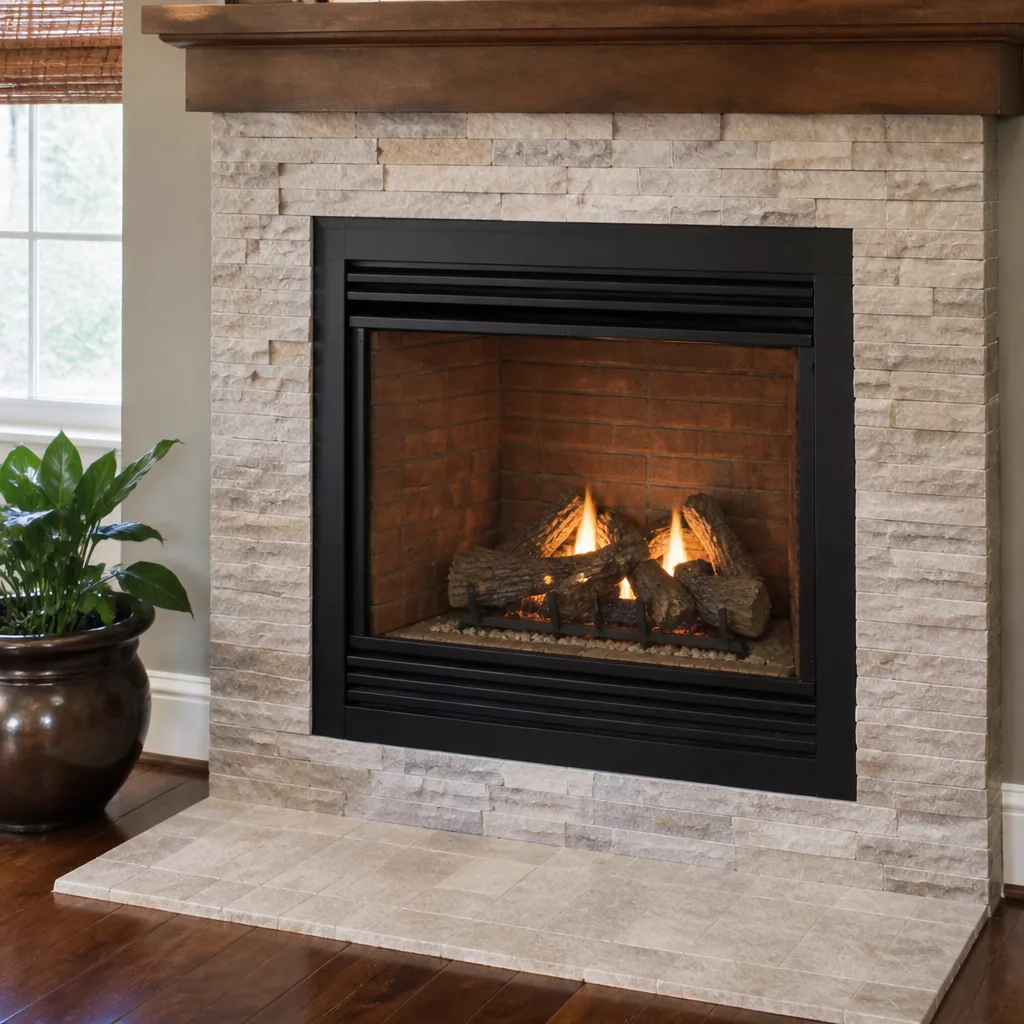
 Gas fireplace service
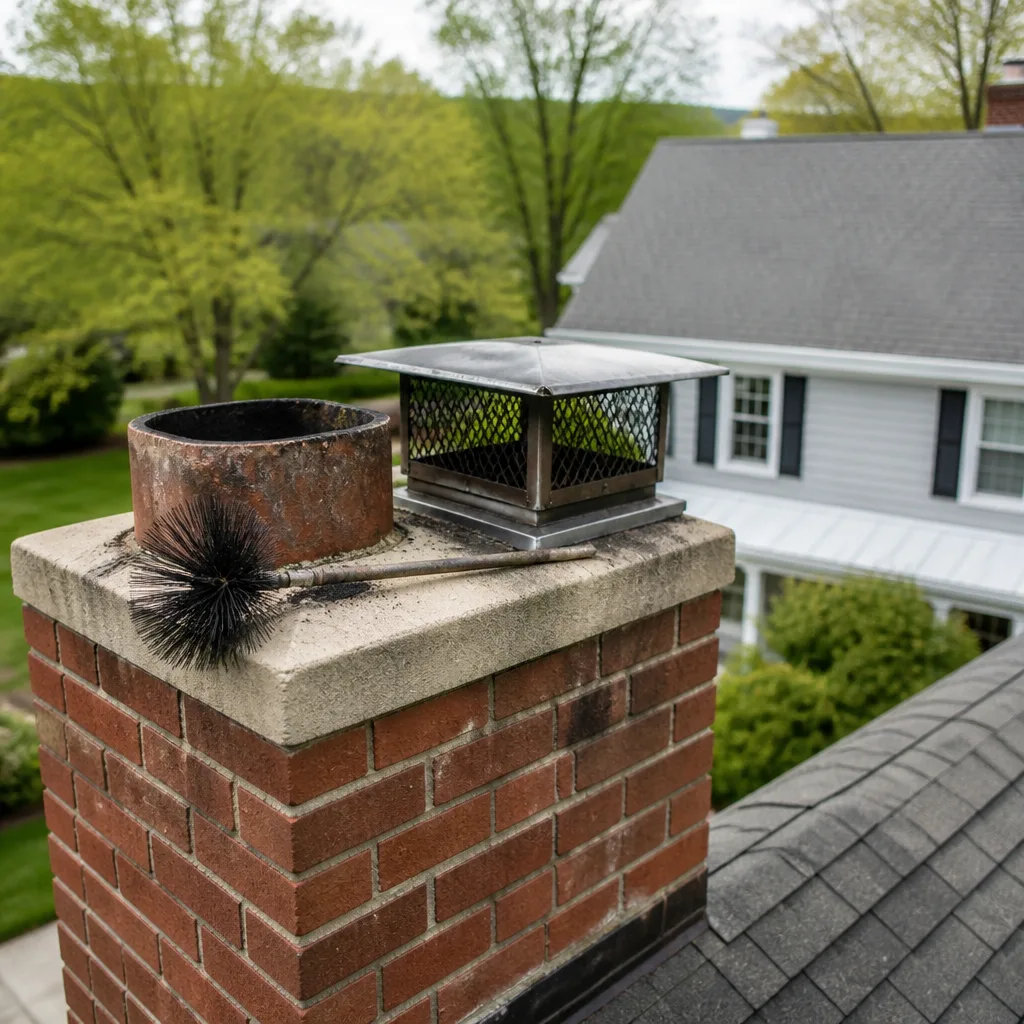 Sweep & inspection
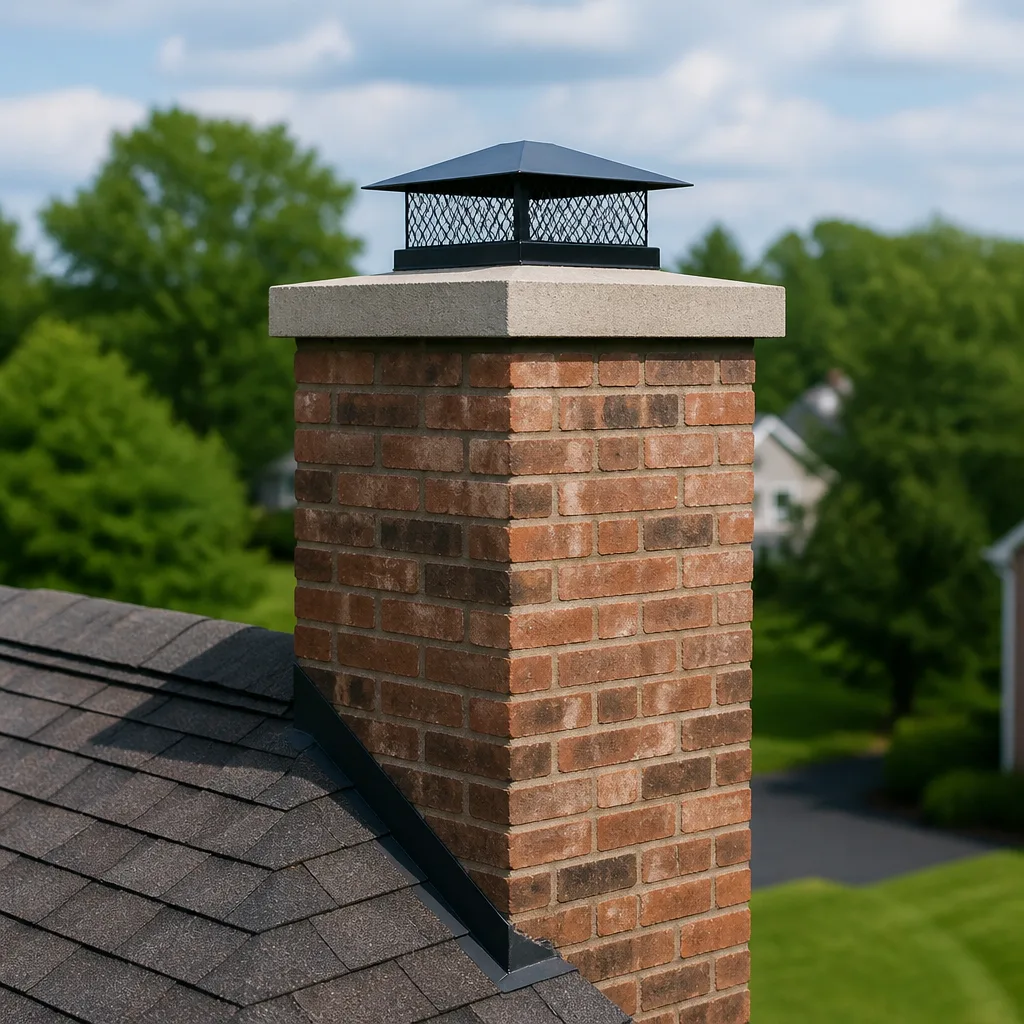 Caps & crowns
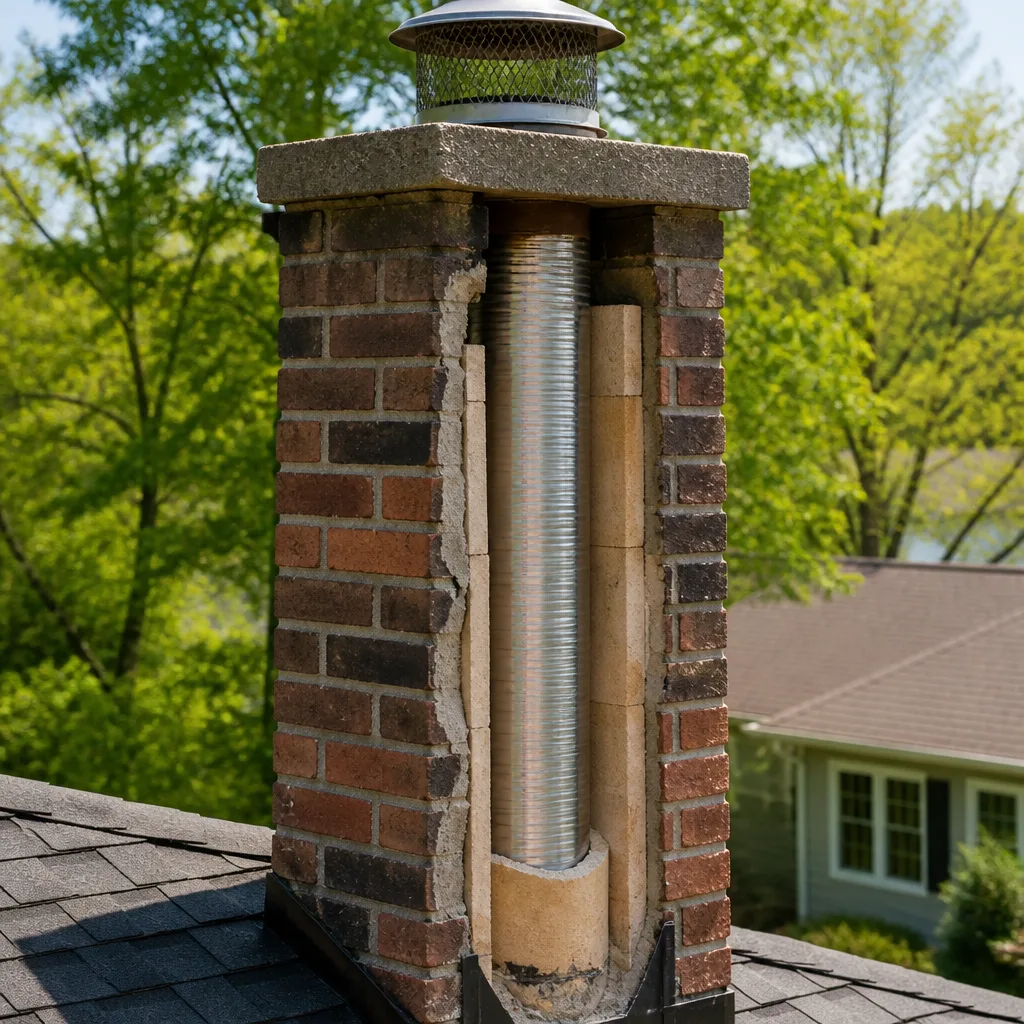 Flue relining
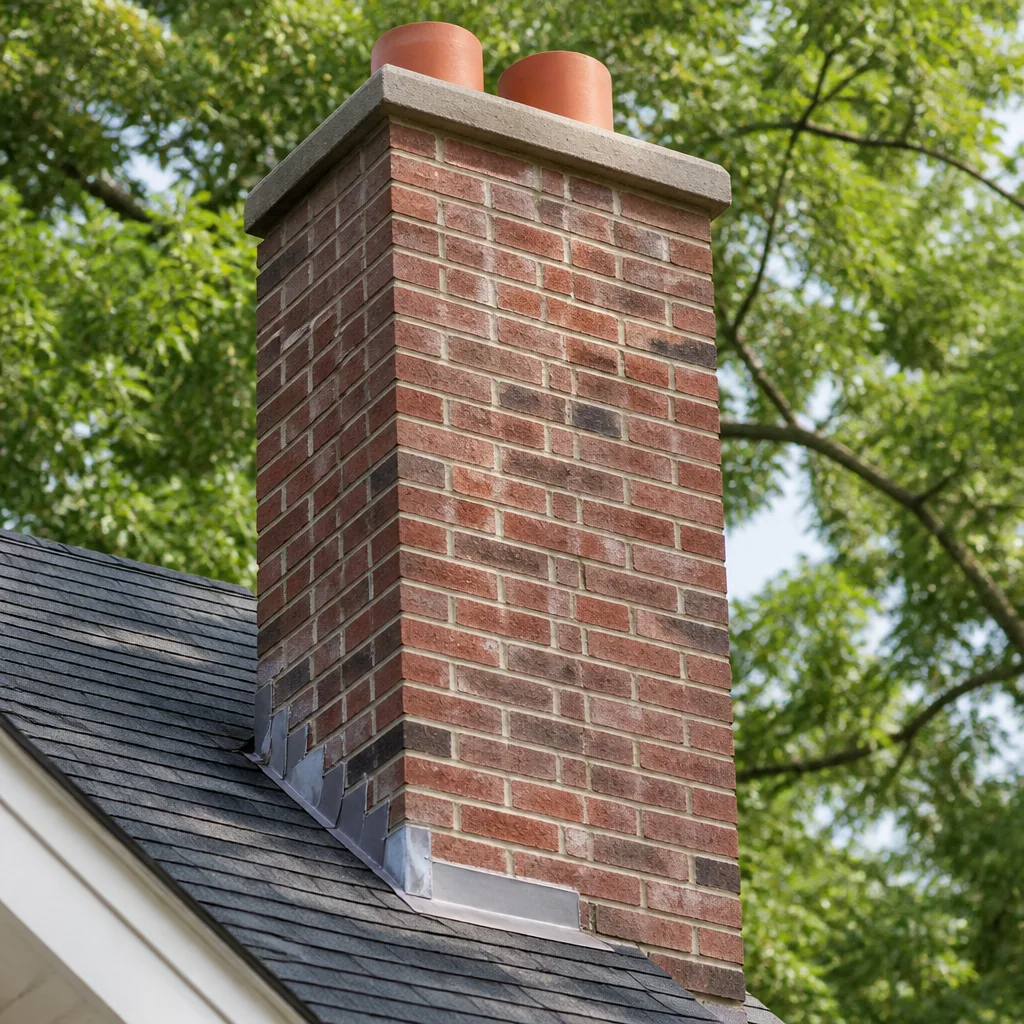 Masonry repair
Level 1 sweep and inspection to the NFPA 211 annual standard - flue, crown, cap, and flashing checked and photographed
Chimney sweep logs do not sweep chimneys. They loosen some creosote - which then falls where a brush and vacuum still have to collect it.
Why Kent Homeowners Choose HeatShield Chimney Cleaning
We provide independent HeatShield chimney cleaning and service in Kent. HeatShield is a flue resurfacing and relining system, and our work starts with a camera inspection of the liner itself so we can tell you whether the coating is sound, whether it has separated, or whether the tile underneath has failed. We don’t sell replacements for a living, so our recommendation follows the evidence. Call (866) 942-7714.
HeatShield matters in Kent because of how the chimneys here are built. Kent’s housing stock is dominated by 1950s-1970s single-story ranches and split-levels with brick or stone masonry fireplaces, and many of those flues are clay tile or entirely unlined. Clay tile cracks. HeatShield coatings exist to seal that tile from the inside. That makes Kent a city where resurfacing gets considered often, and where knowing when a coating is genuinely working – and when it’s hiding a crack – matters just as much.
We are an independent HeatShield service provider. We’re not affiliated with or authorized by HeatShield, and we don’t speak for the manufacturer. What we do is inspect, clean, repair, and resurface flues using genuine HeatShield Cerfractory materials where a coating is the right answer, and we say so plainly when it isn’t.
Key Takeaways
- HeatShield is a flue resurfacing system, not a fireplace brand, so evaluating it means looking at the liner, not the firebox.
- Most HeatShield failures in Kent start with water intrusion at the crown or flashing, then show up as coating separation.
- Our technicians have up to experience reading flue liners with a camera before recommending anything.
- We handle sweep, inspection, crown repair, and resurfacing as one job, with photo evidence you can review.
Why Trust Chimney Sweep Kent for Your HeatShield Chimney Cleaning?
Our technicians have up to experience with HeatShield products and the flues they get applied to. That experience matters less as a credential than as a pattern: after enough inspections, you learn what a healthy Cerfractory surface looks like, what a coating that’s about to let go looks like, and how to tell the difference between cosmetic flaking and a joint that has actually failed.
We specify genuine HeatShield Cerfractory and approved refractory materials on HeatShield repairs. That’s not brand loyalty. Generic mortar and stove cement won’t bond properly to an existing HeatShield surface, and at flue temperatures they crack and drop out. Using the wrong material on a coated flue is how a small repair turns into a reline.
Service is warranty-safe. We don’t chip or grind a coating to make a cleaning faster, and we don’t apply anything over a HeatShield surface that wasn’t made to sit on it. When we sweep a HeatShield-coated flue, the brush work is matched to the liner condition we found on camera.
We also show you what we find. Photos of the flue, a plain explanation of what we’re seeing, and your options – then you decide. That’s the same standard whether you’re in a 1960s ranch on East Hill or a newer home in the Panther Lake area.
Styles & brands we work with
- Sweep & inspection
- Caps & crowns
- Flue relining
- Masonry repair
- Gas fireplace service
Common HeatShield Chimney Cleaning Problems We Fix in Kent
These are the HeatShield issues we run into most, and why they happen.
- Cerfractory coating delaminating or flaking off the tile. Repeated heating and cooling cycles work on the bond between the coating and the original flue tile. Over time, flakes of tan refractory material start showing up in the firebox or on the smoke shelf. That’s the coating letting go, and it leaves bare tile exposed to creosote and condensate.
- A coating over a cracked clay tile that was hidden, not bridged. This is the one that worries us most. A HeatShield coating applied over a hairline crack can look perfect from the top and still be sitting on a structural break. The coating didn’t cause the problem, but it concealed it. Only a camera inspection tells you which you have.
- Failed bond at tile joints or at the top-of-flue termination. Joints are where water gets in. When moisture works behind the coating at a joint or at the crown, the coating separates from the tile in a sheet. Kent’s cool, wet winters and frequent drizzle mean chimneys here stay damp for long stretches, and a damp flue is a flue where coatings fail faster.
- Over-thick or uneven application reducing the flue’s cross-section. A coating applied too heavy narrows the flue. The symptom homeowners notice is draft trouble – smoke rolling back into the room, a fireplace that used to draw well and now doesn’t. It’s a workmanship problem, not a product problem, and it can usually be corrected.
- Efflorescence and spalling brick around exterior chimneys. In Kent’s East Hill and Panther Lake neighborhoods, many 1960s-70s ranches have exterior brick chimneys that develop white salt staining from our wet winters. That’s moisture moving through the masonry. Left alone, it turns into spalling brick, and spalling brick means water is getting somewhere it shouldn’t.
Here’s the part you won’t find on a manufacturer’s page: in the Puget Sound lowlands, HeatShield coatings fail from the outside in. Water enters at a failed crown or flashing, saturates the masonry and the tile, and the first thing you see is coating separation. Homeowners often assume the coating itself was defective. Usually it was the water. Kent’s clay soil and high winter water table make that worse, because moisture wicks up brick chimneys from the foundation, not just down from the cap.
A homeowner with a HeatShield-coated flue often calls after noticing flakes of tan refractory material in the firebox or a white staining at the chimney top. A Level 2 inspection with a camera typically shows the coating has separated at a tile joint or over a hairline crack, usually where water has been entering at a failed crown or flashing. The standard fix is to correct the water entry first with crown repair or flashing work, then remove the loose coating and recoat the sound tile – or recommend relining if the underlying tile is cracked through.
HeatShield Parts & Our Repair-vs-Replace Approach
HeatShield repairs should use genuine HeatShield Cerfractory or approved refractory materials. We don’t claim to stock or carry HeatShield parts, and we’re not a HeatShield dealer – we source what the job needs and use what bonds correctly to the surface that’s already there.
Repair versus reline comes down to the tile, not the coating. If the underlying clay tile is structurally sound and the separation is at a joint, a proper recoat with correct materials restores the flue. If the tile is cracked through, a coating over it is a temporary patch, not a fix, and we’ll tell you so. The same rule applies to a liner that’s past coating repair: an honest recommendation is a full reline, not another layer.
We apply the same judgment to crowns, caps, and dampers, matching components to each specific flue configuration rather than forcing a standard part onto an unusual chimney.
If your HeatShield flue is showing flakes or staining, call (866) 942-7714. We answer 24/7. Fast dispatch from 7am to 7pm, Sunday through Friday.
Our HeatShield Service Process – Step by Step
- 1
Diagnosis. A Level 2 inspection with a camera, run the full length of the flue. We’re looking at the coating surface, the tile beneath it, the joints, the crown, and the flashing. Efflorescence and spalling at the exterior get logged here too, because they tell us where water is coming from.
- 2
Repair or resurface. Water entry gets corrected first – crown repair, flashing work, cap. Then loose or delaminated coating is removed by hand, the sound tile is prepared, and genuine HeatShield Cerfractory is applied to the correct thickness. Creosote removal happens before any resurfacing, never after.
- 3
Test. A second camera pass down the finished flue confirms even coverage, full joint coverage, and a cross-section that hasn’t been narrowed. We check draft with the flue back in service.
- 4
Warranty and documentation. You get the photos, the written scope, and the material records for your file – the paperwork insurers and buyers ask for.
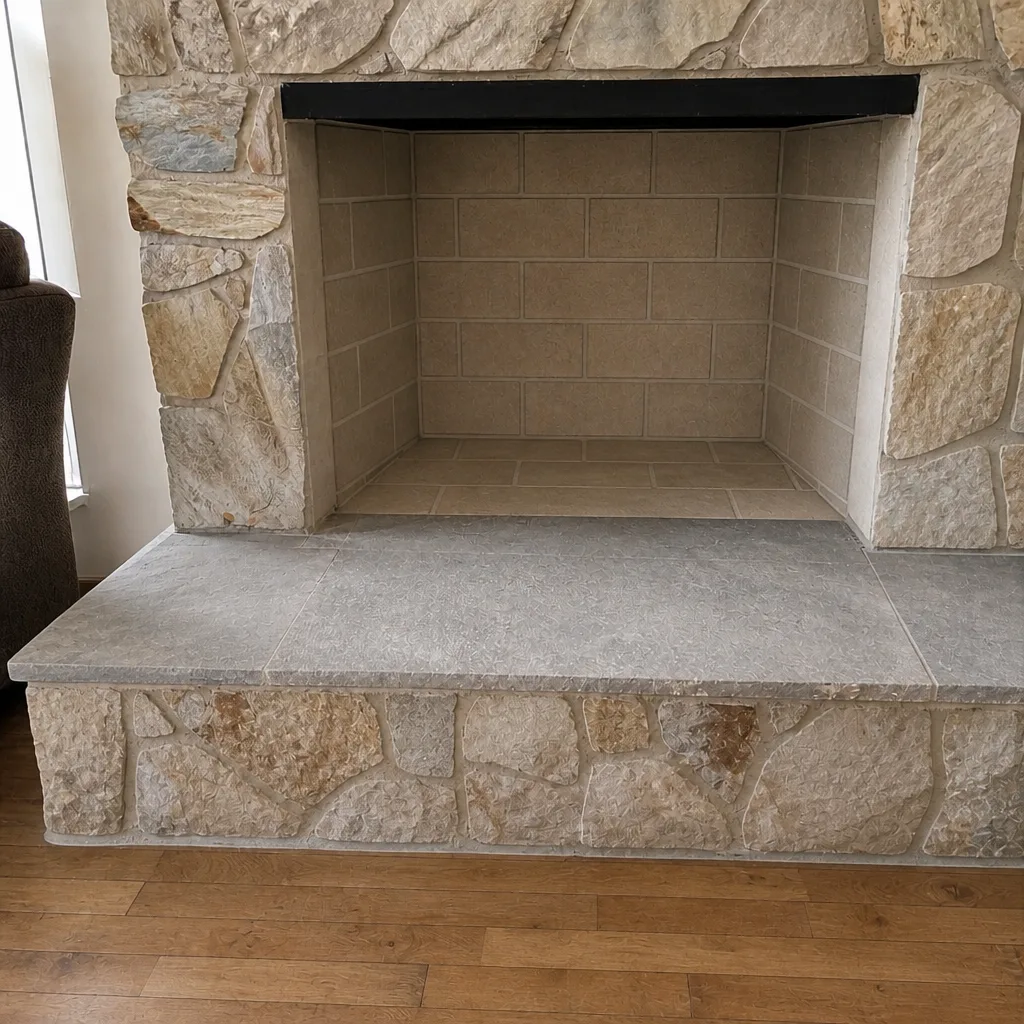
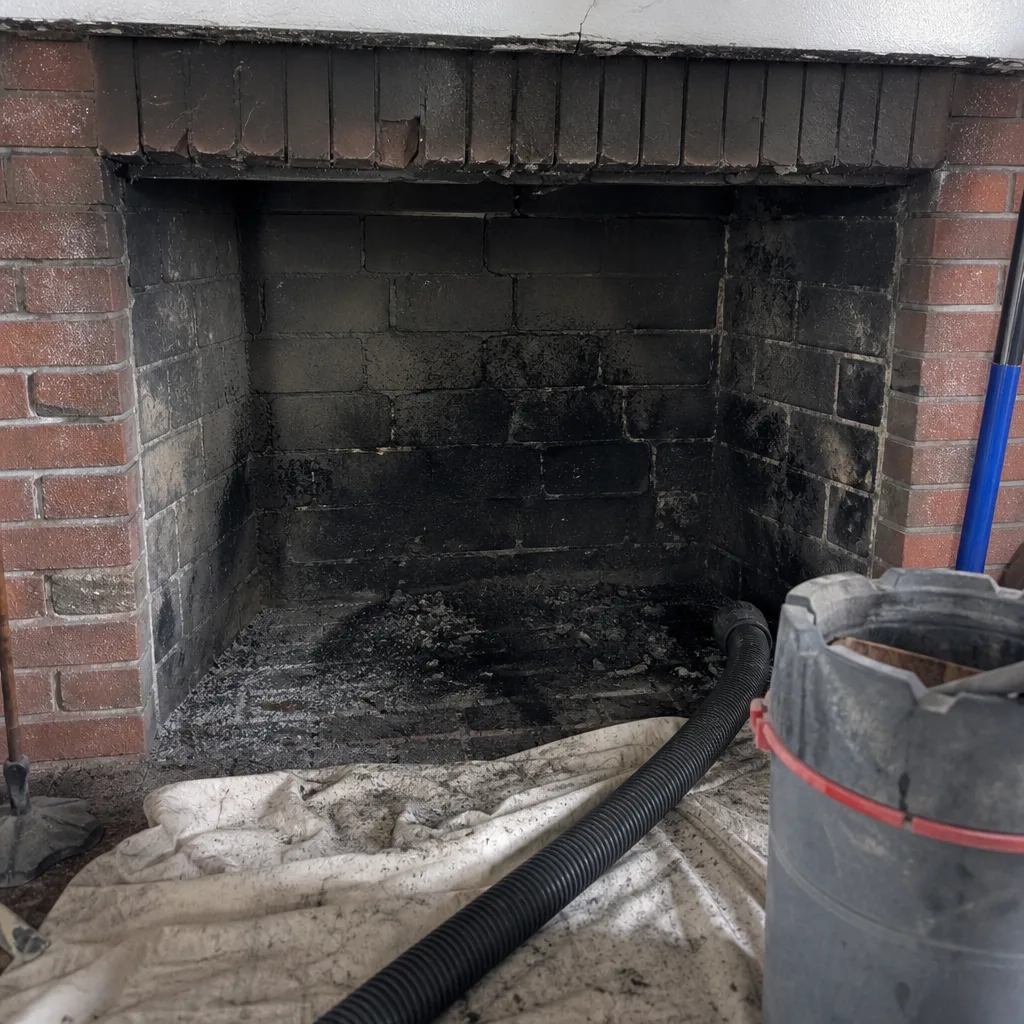
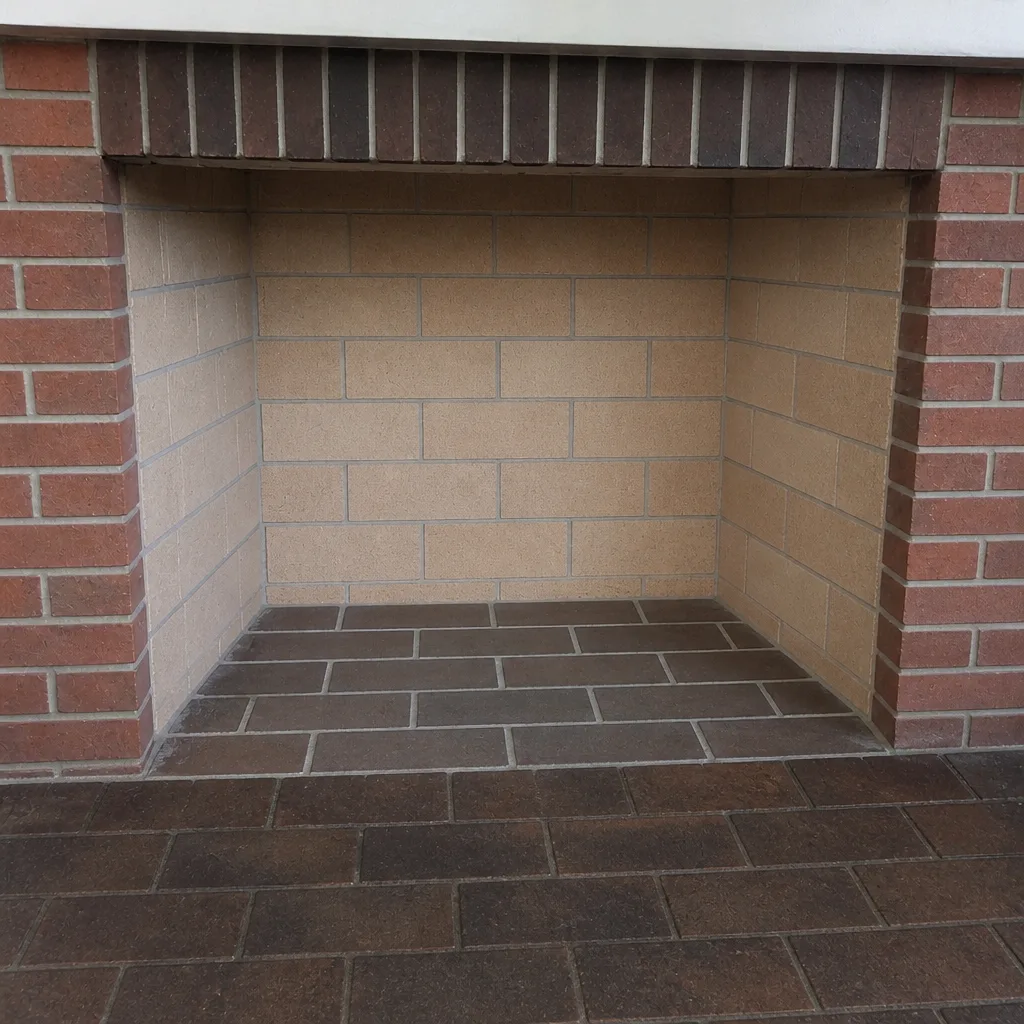
See the difference
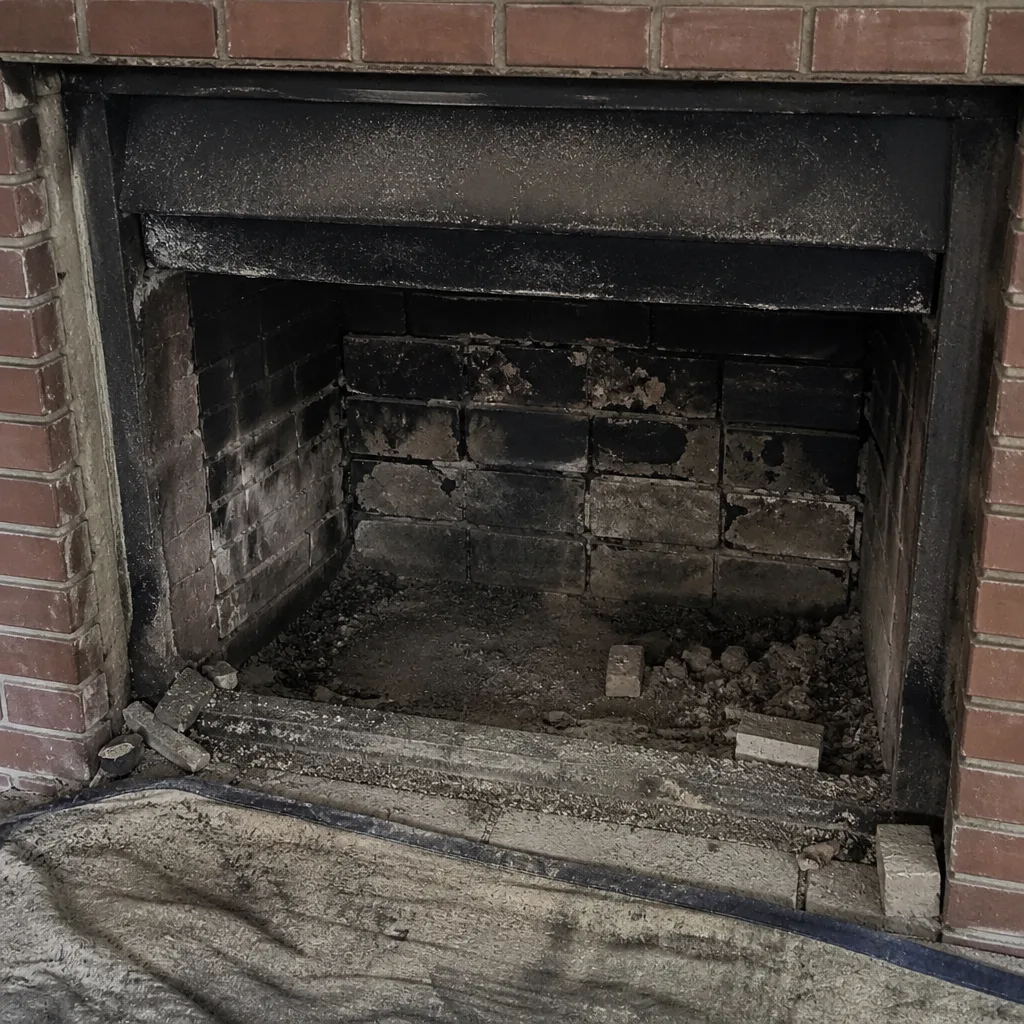 Before
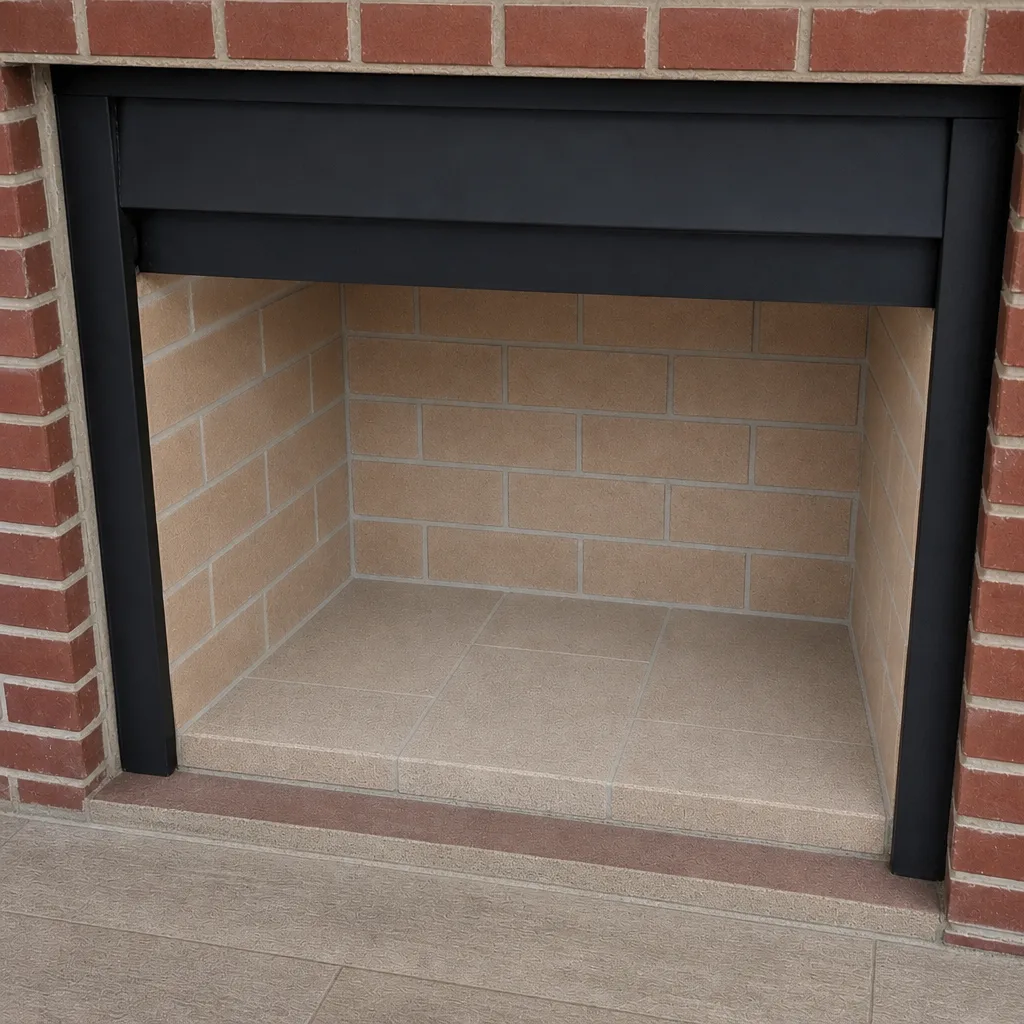 After
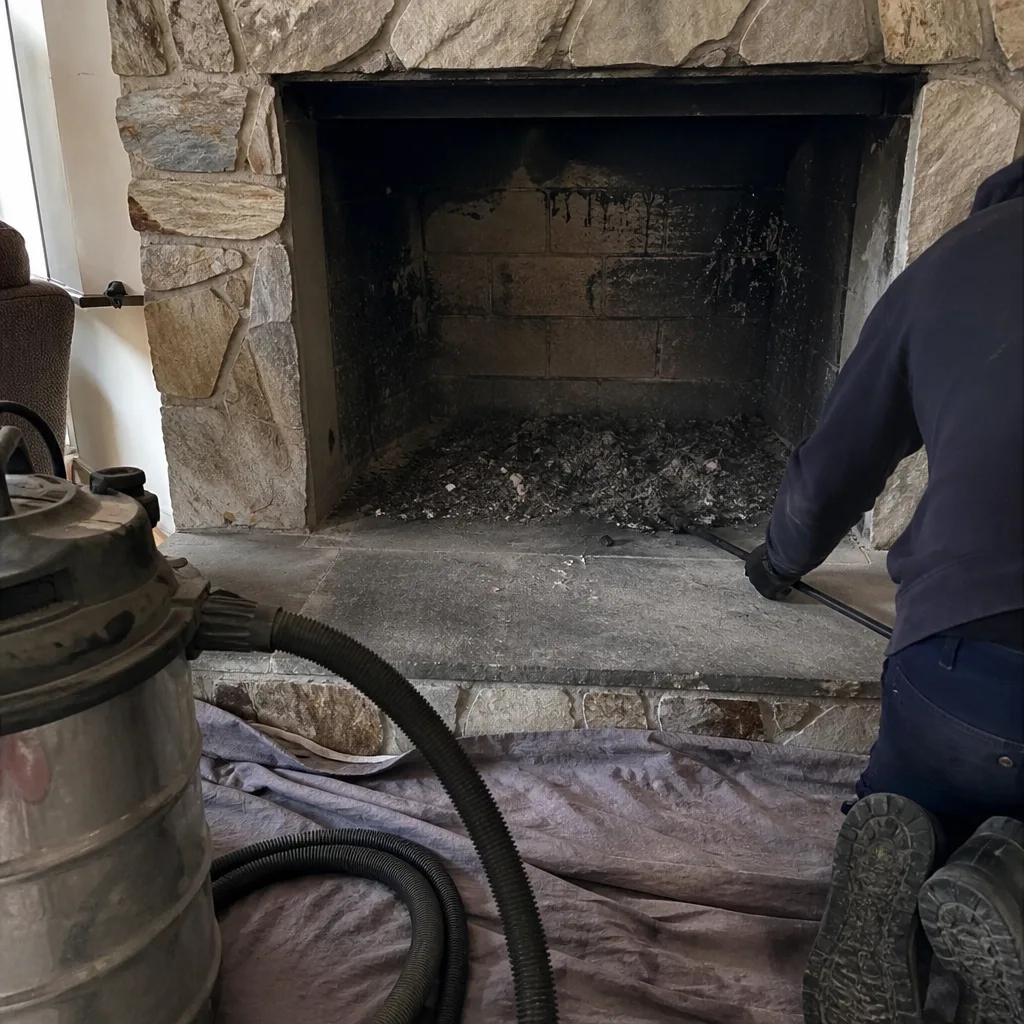 Before
 After
 Before
 After
HeatShield Products We Service & Install in Kent
We work with the HeatShield system across the flue, and the inspection tells us which part of it a Kent chimney actually needs.
- HeatShield Cerfractory Flue Sealant – the cast-in-place liner coating that goes onto prepared clay tile.
- HeatShield Resurfacing System for damaged flue tiles – for tile that’s pitted, spalled, or separated at the joints but still structurally whole.
- HeatShield 2000 and HeatShield Gold refractory mortar products – used where joints and masonry need rebuilding before any coating goes on.
- HeatShield masonry crack and joint repair sealants – for localized joint and crack work.
Which of these fits your flue depends entirely on what the camera shows. We don’t apply a coating to a flue that needs a rebuild, and we don’t recommend a rebuild on a flue that a resurfacing would genuinely restore.
We Also Service These Brands
We’re not tied to a single product line. Alongside HeatShield, we work with DuraFlex stainless liner systems for full relining, and Gelco components for caps, dampers, and venting matched to each flue’s configuration. That matters in Kent because a resurfacing decision and a relining decision often sit side by side on the same chimney. One company, one assessment, one answer – no hand-off to a second contractor halfway through.
FAQs – HeatShield Chimney Cleaning Service in Kent
No. We’re an independent HeatShield service provider, not affiliated with or authorized by HeatShield, and we don’t speak for the manufacturer. We service HeatShield-coated flues using genuine HeatShield refractory materials because they’re the materials that bond correctly. The judgment about what your flue needs is ours, based on what the camera shows. Call (866) 942-7714 with questions about your specific flue.
Yes. A HeatShield coating seals the tile, but it doesn’t stop creosote from building up on the flue walls, and it doesn’t prevent water intrusion at the crown. In Kent’s wet climate, creosote on a damp flue becomes acidic and corrosive, and that attacks both the coating and the tile beneath. An annual sweep plus a visual check catches a separated joint before it becomes a recoat.
Watch for flakes of tan refractory material in the firebox or on the smoke shelf, white staining at the chimney top, and smoke that rolls back instead of drawing. Those three symptoms point at coating separation, moisture at the termination, or a narrowed flue. None of them confirm anything on their own – a camera inspection does. Call (866) 942-7714 and we’ll look.
Not over a structural crack. A coating applied over a hairline crack can look sound from the top while the tile underneath is broken through, and that’s a temporary patch, not a fix. If the camera shows the tile is cracked through, the honest recommendation is a full reline rather than a recoat. If the tile is whole and the problem is at a joint, resurfacing is usually the right call. Estimates are free – call (866) 942-7714.
Nearly always because water got behind it. A failed crown or flashing lets moisture into the masonry, the tile stays damp, and the bond between coating and tile lets go. Kent’s cool, wet winters and high water table make that a common pattern here, and it’s why we fix the water entry before we recoat. Recoating over an active leak just repeats the failure.
HeatShield is a flue resurfacing system, so it’s applied to the flue – the chimney passage – not to the appliance. Whether it’s appropriate depends on the flue’s condition and what’s venting into it, not on whether the firebox holds wood or a gas insert. A camera inspection answers that for your chimney.
A standard sweep and visual check is typically in the low hundreds, and resurfacing work costs more because of the materials and the prep. The written estimate sets the final price, and nothing is recommended without camera evidence you can review yourself. Call (866) 942-7714 for an exact quote – estimates are free.
Book Your HeatShield Service in Kent, WA
If your HeatShield-coated flue is flaking, staining, or just due for its annual sweep, we’ll inspect it with a camera and tell you what’s actually going on – recoat, reline, or nothing yet. Call (866) 942-7714. We answer 24/7. Fast dispatch from 7am to 7pm, Sunday through Friday. The estimate is free, and the price is set per job by the written estimate.
Written by the team at Chimney Sweep Kent.