
Last updated November 15, 2026
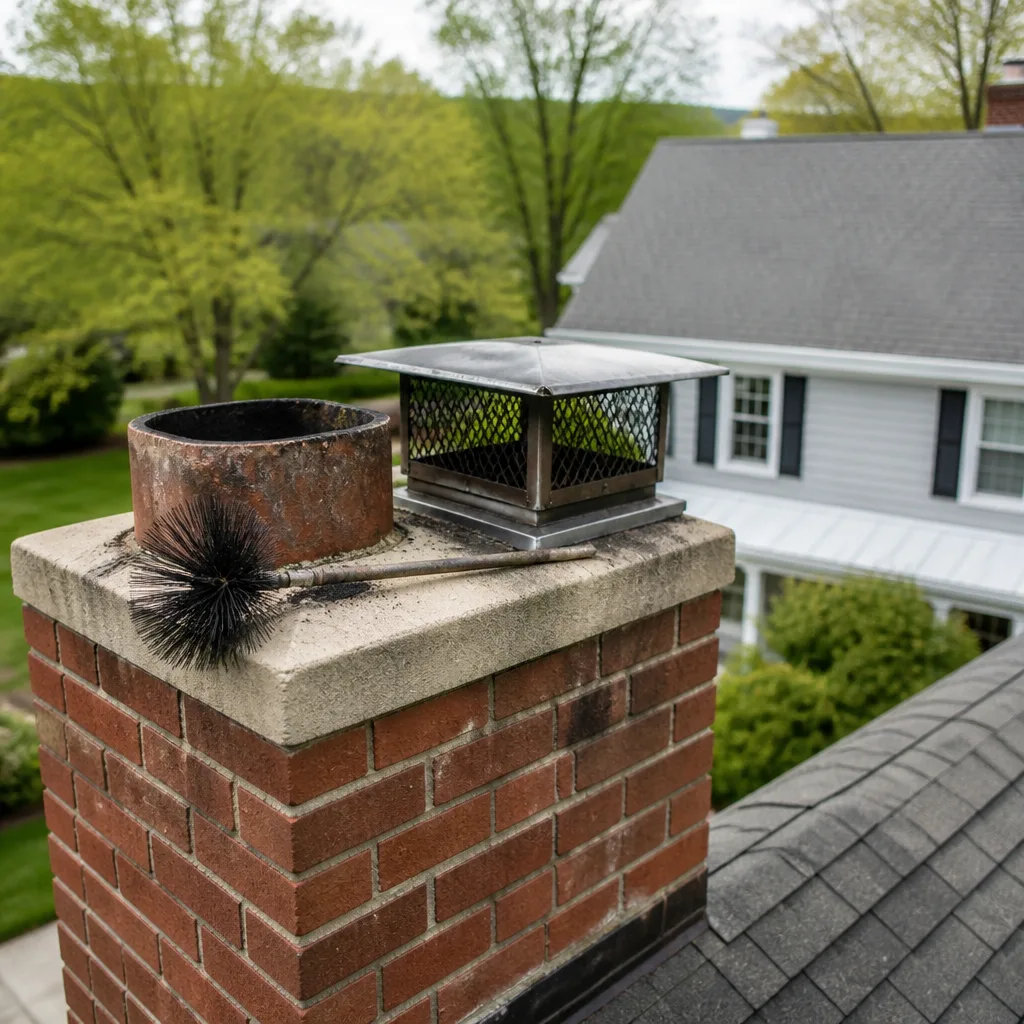 Sweep & inspection
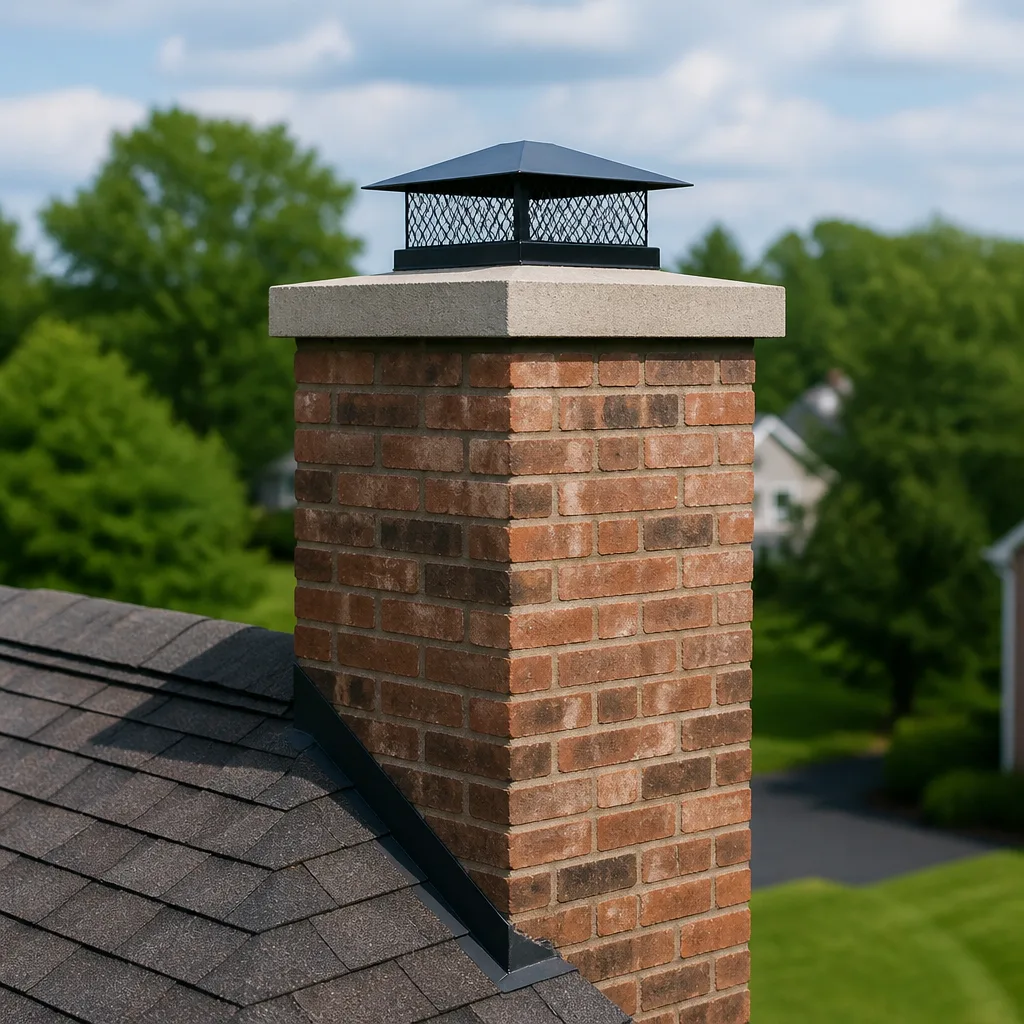 Caps & crowns
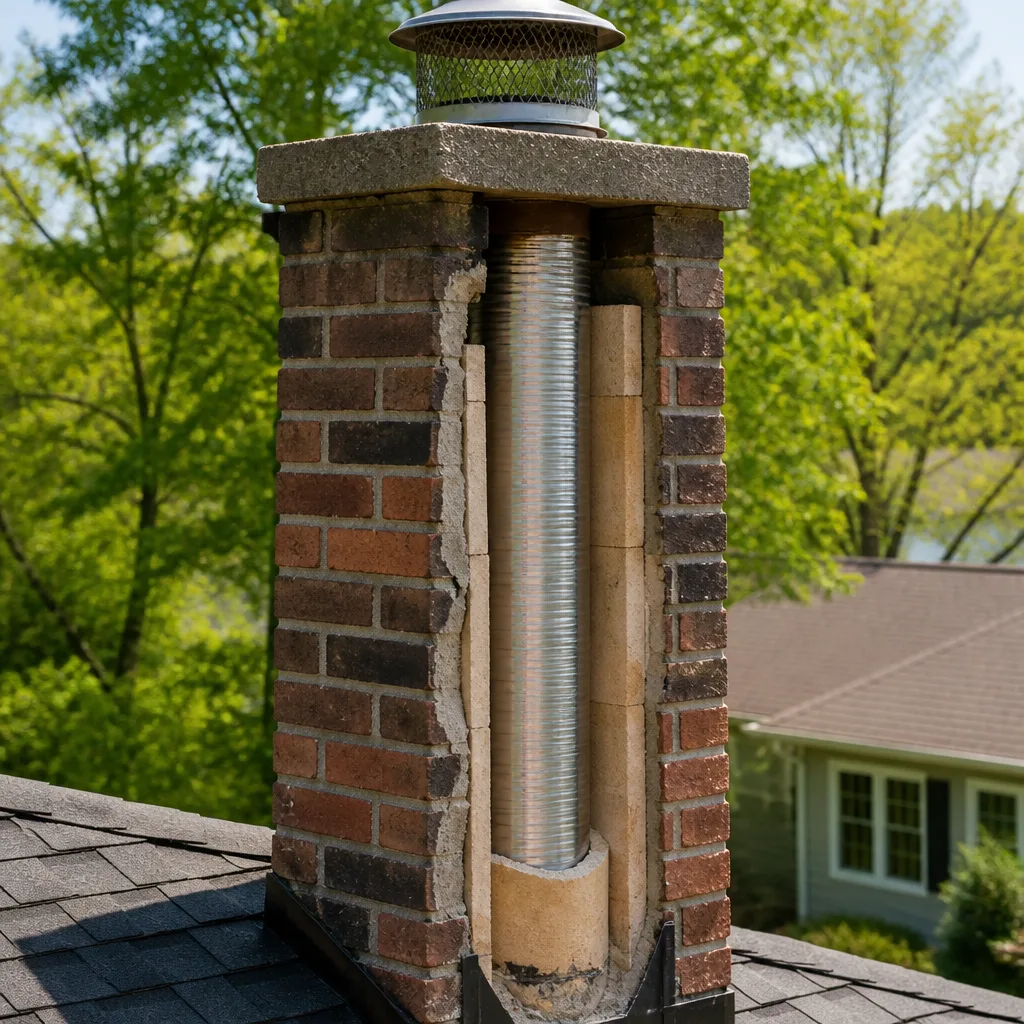 Flue relining
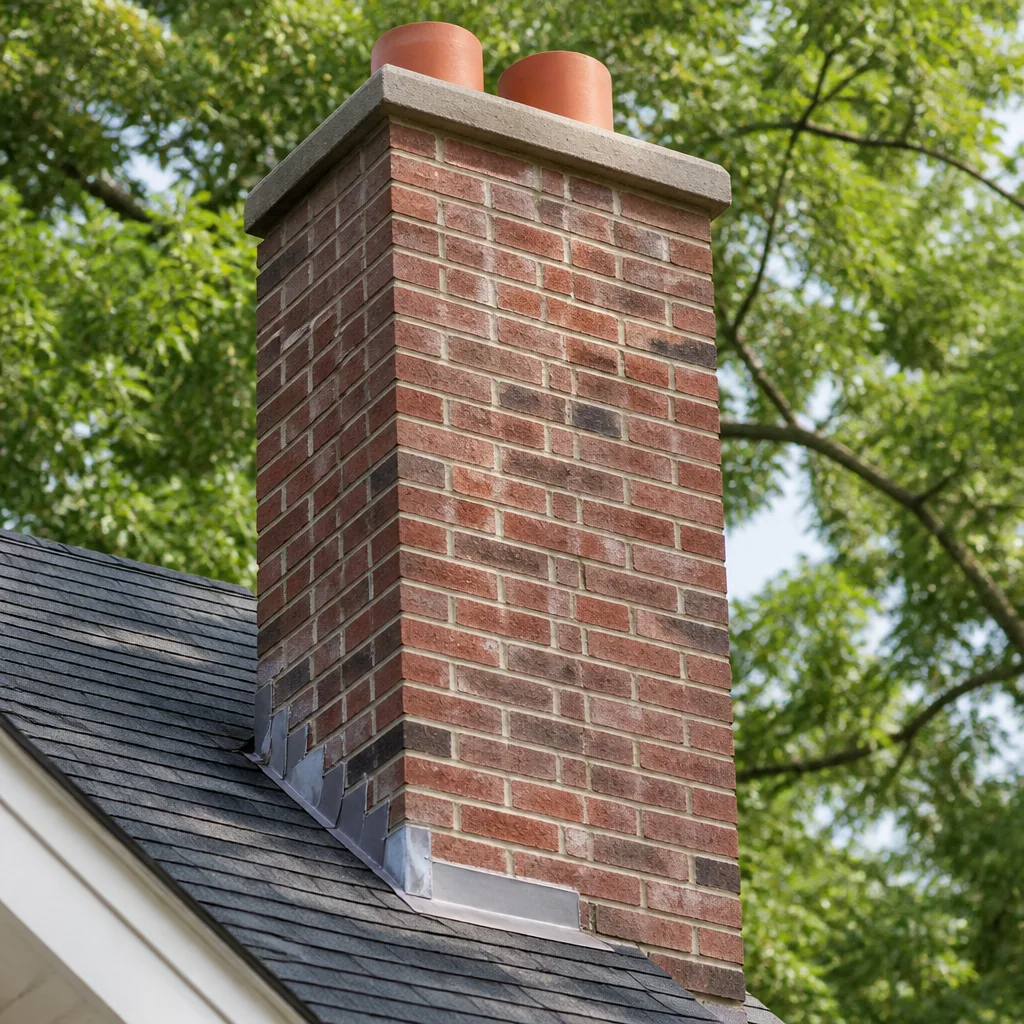 Masonry repair
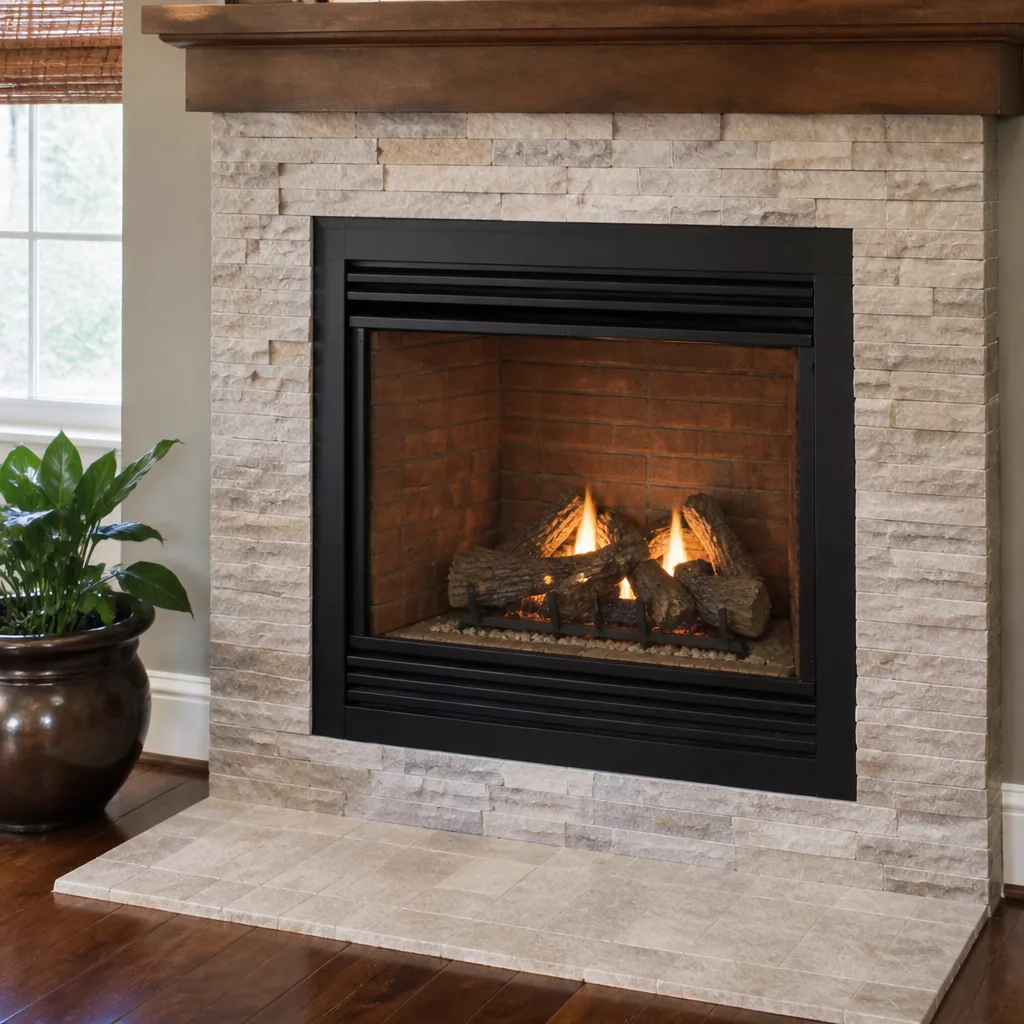 Gas fireplace service
Level 1 sweep and inspection to the NFPA 211 annual standard - flue, crown, cap, and flashing checked and photographed
Chimney sweep logs do not sweep chimneys. They loosen some creosote - which then falls where a brush and vacuum still have to collect it.
Chimney Sweep Maintenance Schedule: What to Do and When
The most common chimney advice you’ll hear is “sweep it once a year,” and it’s the advice most likely to cost you money. That annual rule assumes average use, and almost nobody burns an average amount of wood. A Kent homeowner feeding four cords through a fireplace insert every winter is running a very different system from someone who lights a decorative fire six times between November and March. Same house type, same neighborhood, completely different maintenance needs. What follows is a schedule you build around your fuel, your burn volume, and the age of your components – not a generic checklist you copy from a website. We’ll walk through how to calculate your real sweep interval, which parts fail on a calendar whether you burn or not, and the warning signs that should override any schedule.
Styles & brands we work with
- Sweep & inspection
- Caps & crowns
- Flue relining
- Masonry repair
- Gas fireplace service
Quick Answer
There’s no single correct chimney maintenance schedule. The right one is built from four inputs: what you burn (wood, gas, or pellets), how many cords you burn per season, the moisture content of that wood, and the age and material of your flue liner, cap, and chase cover. A heavily used wood-burning chimney in Kent typically needs sweeping every 40 to 60 fires or roughly once per cord burned, while a gas insert used a few times a month may only need inspection annually with cleaning every two to three years. Everything else – inspections, cap and gasket checks, moisture-related component checks – runs on a fixed calendar regardless of how often you light a fire.
Table of Contents
- Why “Once a Year” Isn’t the Right Schedule for Everyone
- How to Calculate Your Actual Sweep Interval
- The Kent Month-by-Month Maintenance Calendar
- Components That Age on a Calendar, Not on Use
- What to Log After Every Sweep Visit
- Red Flags That Override Your Schedule
- Fuel Type Changes Everything
- Inspection Levels and When You Need Each One
- Common Mistakes to Avoid
- When to Call a Professional
- Frequently Asked Questions
- The Bottom Line
Why “Once a Year” Isn’t the Right Schedule for Everyone
The annual inspection standard exists because it’s a floor, not because it’s right for every chimney. NFPA 211 calls for an annual inspection, and it was written with average residential use in mind. Average means maybe a cord and a half per season, mixed fuel, a mid-life flue. Kent homeowners rarely fit that average cleanly. Some run wood stoves as primary heat through long, wet winters. Others have a gas fireplace they run a few evenings a month. A handful have an untouched chimney attached to a fireplace they never light at all.
Those three households need three different schedules, and treating them identically is where money gets wasted and problems get missed.
Here’s the split that matters most in our experience:
- Heavy wood use (3+ cords per season): sweep based on creosote accumulation, which can mean more than once a year, with a formal inspection annually.
- Moderate wood use (1-2 cords): one sweep per season, timed to your burn pattern, with annual inspection.
- Light or occasional use (gas insert, decorative fires): inspection every year, sweep on the technician’s finding, not on habit.
- Unused chimney: no sweep needed, but the cap, chase cover, and flashing still need checking every year because moisture doesn’t care whether you burn.
The Pacific Northwest shoulder seasons matter here too. Kent’s wet autumn and spring put a lot of moisture against caps, crowns, and gaskets, and that’s often what degrades an unused chimney faster than a used one. When we build a maintenance calendar for a Kent home, the weather gets as much attention as the firebox.
How to Calculate Your Actual Sweep Interval
You don’t need a calendar to know when to sweep. You need a rough count of cords burned and an honest look at your wood.
Creosote accumulates in proportion to how much fuel you burn and how completely it burns. Damp wood burns cooler and incompletely, which deposits more creosote per cord than dry wood does. That’s the whole calculation.
Here’s a working method we use when sizing up a chimney:
- Track your burn volume. Note how many cords (or fractions of a cord) you go through from first fire to last. A full cord is 128 cubic feet stacked.
- Check your wood moisture. A moisture meter on a freshly split face should read under 20% for seasoned firewood. If you’re burning wet wood, drop your sweep interval by roughly a third.
- Estimate accumulation. A practical rule of thumb is a sweep after every 40 to 60 fires, or roughly once per cord burned, whichever comes first. Heavy burners with damp wood should treat the 40-fire mark as a hard ceiling.
- Do a visual check mid-season. Look up the flue from the firebox with a flashlight. A glaze or heavy black fluff on the flue walls means it’s time now, not at the end of the season.
- Book the sweep before your burn season, not after. In Kent that usually means September, so you’re not waiting on a crowded schedule once the first cold snap hits.
If you want a professional assessment rather than an estimate, a chimney sweep from our team will inspect the flue and give you a straight answer on where your accumulation actually stands.
The Kent Month-by-Month Maintenance Calendar
Kent’s climate sets the rhythm here. Our wet autumn and spring mean the chimney shell and its seals take more moisture stress than chimneys in drier regions, and our burn season runs long. That’s why a shoulder-season schedule makes so much sense for Kent homes – September prep, April post-season review.
September: Pre-Season Prep
- Sweep the flue before the first fire of the season, not after the first month of burning.
- Check the chimney cap and spark arrestor for debris, bird nests, and corrosion.
- Confirm the damper opens, closes, and seals properly.
- Check the firebox and lintel for cracks or loose mortar that loosened over the wet spring.
- Inspect the exterior crown and flashing for cracks before the rain sets in.
October through March: Burning Season
- Do a flashlight check of the flue every few weeks during heavy burning.
- Keep an eye on the cap and any visible exterior components after storm events.
- Note any new smells, sounds, or draw issues in your log.
- Continue using dry, seasoned wood and store it covered and off the ground.
April: Post-Season Inspection
This is the most important month on the calendar for a Kent chimney. After a full winter of burning and a wet spring, an inspection catches whatever the season produced: creosote near the top of the flue, cracked mortar from freeze-thaw, a cap gasket that’s gone brittle. Book a formal inspection before things dry out and problems become invisible again.
May through August: Repairs and Component Refresh
- Schedule any repairs an inspection flagged – flue resurfacing, cap replacement, crown sealing, flashing repair.
- Address cracks in the flue with a proper restorative product rather than a sealant from a hardware store.
- Store firewood under cover to season for the coming season.
The thinking is simple: fix in the dry months, so the wet months test a properly repaired chimney rather than a fresh crack.
Components That Age on a Calendar, Not on Use
Here’s the part most homeowners miss: some chimney components fail on a timeline that has nothing to do with how much you burn.
The moisture sits, the seal dries out, and eventually the part fails. Three components lead the way:
- Cap gaskets and seals: the elastomer or gasket material around a chimney cap hardens and cracks with UV and temperature cycling. A hardened gasket admits water and small pests. Check annually; expect to replace every few years depending on material.
- Chase covers: on a framed chase chimney, the metal cover takes the weather directly. Paint fades, seams open, and screws back out. Inspect the cover and its fasteners every year; reseal or replace when edges begin to lift.
- Liner seals and joints: the top plate seal and flue joint at the cap is where moisture gets in. A failed top seal can let water run the length of the flue. Check it alongside the cap on the annual inspection.
This is why we specify professional-grade components – Famco caps and venting accessories are matched to the flue configuration rather than improvised – and why an unused chimney in Kent still needs an inspection every year. Our technicians have up to experience, and the pattern shows up repeatedly: a chimney nobody lit for three winters has a cap gasket that let water in for those three winters.
What to Log After Every Sweep Visit
A good log is what turns a series of disconnected service calls into real diagnostic history. The next technician shouldn’t have to start from scratch.
Keep a simple maintenance log – a notebook, a folder, or a document shared with everyone in the household. After every visit, record:
- Date and season. The month matters because so much depends on whether a problem developed during burning season or during wet shoulder season.
- Cords burned since last sweep. This is what tells the next technician whether your interval is right or needs adjusting.
- Wood moisture reading. A quick meter reading on the current woodpile.
- Creosote condition. The technician’s description of stage and location – glazed, flaky, light dust, top of flue, lower flue. This is the most useful single note in the whole log.
- Photos. Before and after shots of the flue, the cap, the crown, the firebox. Photos from a prior year are the fastest way to see whether a crack has grown.
- Work recommended and work declined. Note what the technician flagged and what you chose to defer, so a later decision can be reviewed with context.
- Parts installed and materials used. Brand and component type for any cap, damper, or liner work – Famco or Copperfield cap, DuraFlex liner, HeatShield flue resurfacing. That record matters when the next inspection rolls around.
Six lines per visit, written down. Next year’s inspection becomes a conversation instead of a guess.
Red Flags That Override Your Schedule
Any one of these signs collapses your carefully planned 12-month schedule into a service call now, regardless of when you last had the chimney swept.
The signals are specific. Look for:
- A strong, distinct creosote smell in the room, or from the flue when the fireplace is off. That’s fuel waiting to ignite.
- Visible glaze or flaky creosote on the flue walls, especially near the top of the chimney, that you didn’t see on your last check.
- A white or green staining on the exterior brick or chase that suggests a failed flue joint letting water through.
- Smoke coming from odd places – a crack in the flue, a seam in the chimney, or back into the room when the fire is burning.
- A tapping or ticking sound in the chimney after the fire is out, or whenever the wind picks up – an obstruction or loose component.
- Bits of mortar, brick, or cap material appearing in the firebox – something above is failing.
- A sudden change in draw on a chimney that’s always worked well.
That last one is easy to dismiss and shouldn’t be. When a chimney that used to draw cleanly starts smoking into the room, it’s usually an obstruction or a structural change, and every fire you light before it’s diagnosed makes it worse.
Fuel Type Changes Everything
Wood, gas, and pellets each load a chimney differently, and the schedule has to reflect it.
Wood. The classic case. Creosote forms from incomplete combustion, and the amount depends on burn volume and wood moisture. A Kent wood stove running 3 cords per season needs the sweep schedule at the top of the list: roughly once per cord, and a formal inspection annually. Wood burning is where the intervals shorten fastest.
Gas. Gas inserts and gas fireplaces don’t produce creosote the way wood does, but they still produce a byproduct – a fine acidic condensate that deposits on the flue as a white or gray powder. That deposit can corrode metal liners, and it’s the reason gas appliances need inspection even when the firebox looks clean. Annual inspection, sweep on the technician’s finding.
Pellets. Pellet stoves burn cleanly and produce less creosote than wood, but they produce more ash, which can build up in the flue and vent. Plan a sweep or vent cleaning once per season for a pellet stove used through the winter, and watch the vent terminations for ash blockages.
If you’re switching fuels – say, putting a gas insert into an old wood fireplace – the schedule should be rebuilt, not just adjusted. The flue, liner, and venting need to match the new appliance, and that’s work for a chimney professional, not a set of generic parts.
Inspection Levels and When You Need Each One
Not every inspection is the same. The industry recognizes three levels, and knowing which one you need prevents both overpaying and missing problems.
Level 1 – The Annual Check
A visual inspection of readily accessible portions of the chimney, firebox, and appliance. Your annual visit should include at least this level, and it’s what most Kent homeowners need every year.
Level 2 – The Full Diagnostic
More thorough, with a camera inspection of the flue interior, and the standard used whenever a fuel type, appliance, or major component has changed – or when you’re buying or selling a home, or meeting an insurance requirement. If you have a real estate transaction coming up in Kent, this is the level your inspector needs.
Level 3 – The Destructive Access Inspection
Reserved for suspected hidden problems. A level 3 inspection involves opening concealed areas of the chimney, and it’s used when earlier inspection turned up a problem that couldn’t be diagnosed otherwise.
Chimney inspection is a standalone service for us. We run it as a formal process, not an add-on to a sweep, and we show you what we find – photos, plain-language explanation, and your options – before anything is recommended for repair.
Common Mistakes to Avoid
- Sweeping on a calendar month instead of a burn count. “We sweep every September” ignores whether you burned one cord or four, and some Kent chimneys need the mid-season sweep that a calendar omits.
- Skipping inspection on an unused chimney. Moisture doesn’t care whether you burn. Caps, gaskets, and chase covers fail on an empty chimney in Kent just as fast, sometimes faster.
- Burning wet wood because it’s what’s on hand. Damp wood meaningfully increases creosote load per cord and shortens the effective interval. Buy seasoned wood, meter it, and store it covered.
- Treating a “flue sealant” from the hardware store as a repair. Most of these products aren’t rated for a chimney flue and won’t survive the heating and cooling cycle. Use proper restorative products.
- Assuming a gas fireplace needs no inspection. Gas systems still deposit acidic condensate on the flue and can corrode a metal liner quietly. Annual inspection catches it.
- Waiting until the fire won’t draw to call. A chimney that suddenly stops drawing is a symptom, not a maintenance window – treat it as an immediate problem.
- Not keeping a log. Without records, the next technician can’t tell whether the crack got worse or was always there.
When to Call a Professional
Some things clear up with a sweep. Others need a real diagnostic. Call when any of these applies:
- You’ve burned a full season and haven’t had the chimney inspected since the prior autumn.
- You notice any red-flag sign – smell, glaze, odd draw, tapping, or debris in the firebox.
- You’re switching fuel – converting a wood fireplace to a gas insert, for instance.
- You’re buying or selling a Kent home and need a level 2 inspection for the transaction or an insurer.
- Your cap, chase cover, or top seal looks damaged or missing after a season of weather.
Chimney Sweep Kent offers free estimates in Kent. Call (866) 942-7714. We answer 24/7. Fast dispatch from 7am to 7pm, Sunday through Friday. Our chimney repair service covers everything from flue resurfacing to complete relining with DuraFlex when resurfacing isn’t enough, and we’ll tell you plainly when work can safely wait.
Frequently Asked Questions
Sweep based on accumulation, not a fixed calendar. A practical rule is every 40 to 60 fires or roughly once per cord burned, and more often if your wood is damp. One sweep per season is typical for a moderate wood burner, while a gas insert used occasionally may only need cleaning every two to three years with annual inspection. Call (866) 942-7714 for an exact quote – estimates are free.
Yes, even if you don’t need a sweep. Annual inspection catches cap gasket failures, liner seal issues, and moisture damage that have nothing to do with burn volume, and it’s the standard the industry uses for average residential chimneys. On a light-use or unused chimney in Kent, the inspection is often the only service you need. Call (866) 942-7714 for an exact quote – estimates are free.
Split a piece and meter the fresh face. Seasoned firewood should read under 20% moisture. Wood that’s been covered and stacked off the ground for a year typically gets there; wood that’s been sitting in the rain will not. Damp wood costs you in creosote load and sweep frequency. Call (866) 942-7714 for an exact quote – estimates are free.
Not sweeping in the wood sense, but it does need inspection. Gas appliances deposit an acidic condensate on the flue that can corrode a metal liner over time, and the deposit isn’t always visible from the firebox. Annual inspection is the right schedule for a gas insert. Call (866) 942-7714 for an exact quote – estimates are free.
HeatShield resurfacing restores a cracked or damaged flue liner from the inside, and it’s often an alternative to full relining when the existing liner is structurally sound but its surface has failed. When resurfacing won’t hold, DuraFlex liner installation replaces the liner entirely. We assess which applies before recommending either. Call (866) 942-7714 for an exact quote – estimates are free.
Sweeping can wait; inspection can’t. A chimney that sees a handful of fires a year rarely needs more than annual inspection, but the cap, chase cover, and liner seals still degrade from weather whether you burn or not, and Kent’s wet shoulder seasons accelerate that. Call (866) 942-7714 for an exact quote – estimates are free.
The Bottom Line
The right chimney schedule for your home in Kent is built from your fuel, your cords burned, your wood moisture, and the age of your components – not a single annual rule. Track your burn volume, sweep when accumulation says so, inspect every year regardless, and check the parts that fail from weather even when the fireplace is cold. Log each visit so the next technician has history, and act on red flags without waiting for the calendar. One company handles your sweep, inspection, and repair, and if you’d like help building a schedule for your own chimney, Chimney Sweep Kent serves homeowners across Kent. Call (866) 942-7714. We answer 24/7. Fast dispatch from 7am to 7pm, Sunday through Friday. Estimates are free.
Written by the team at Chimney Sweep Kent.
See the difference
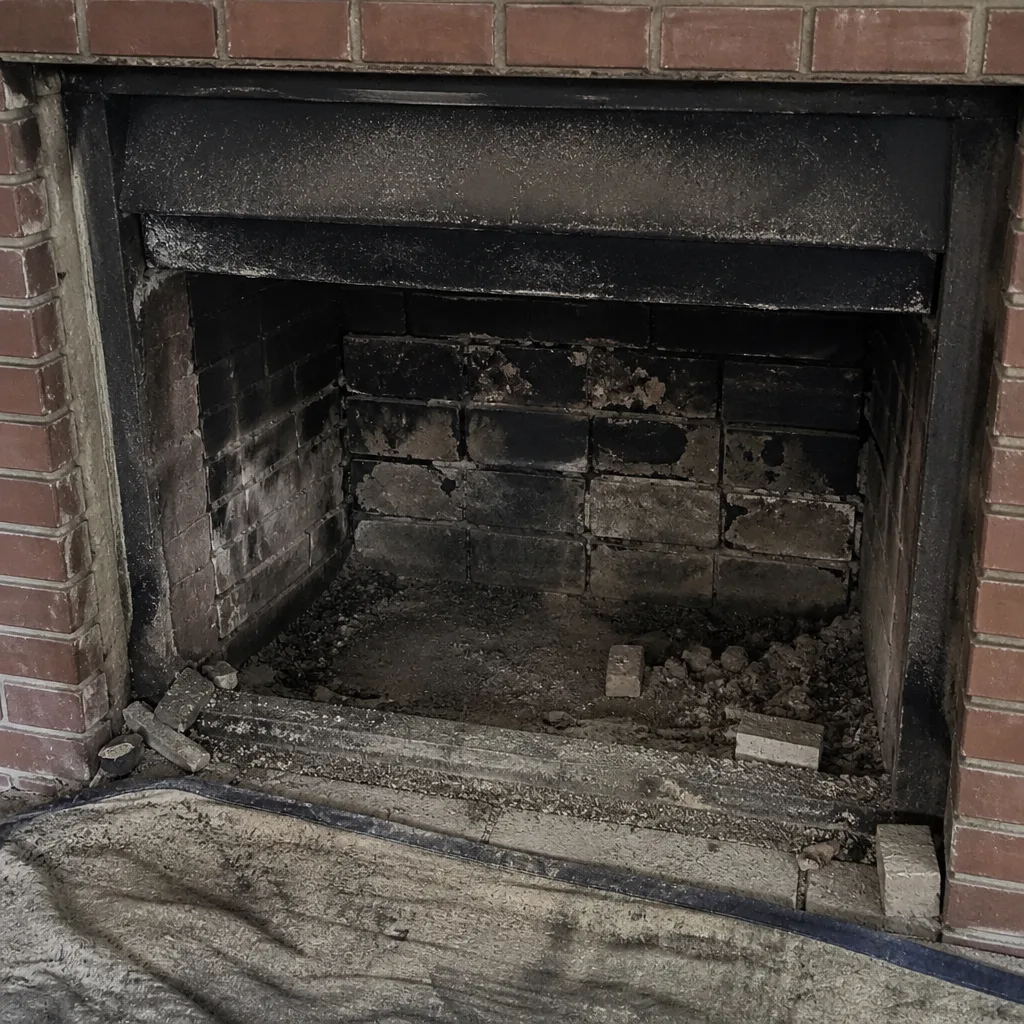 Before
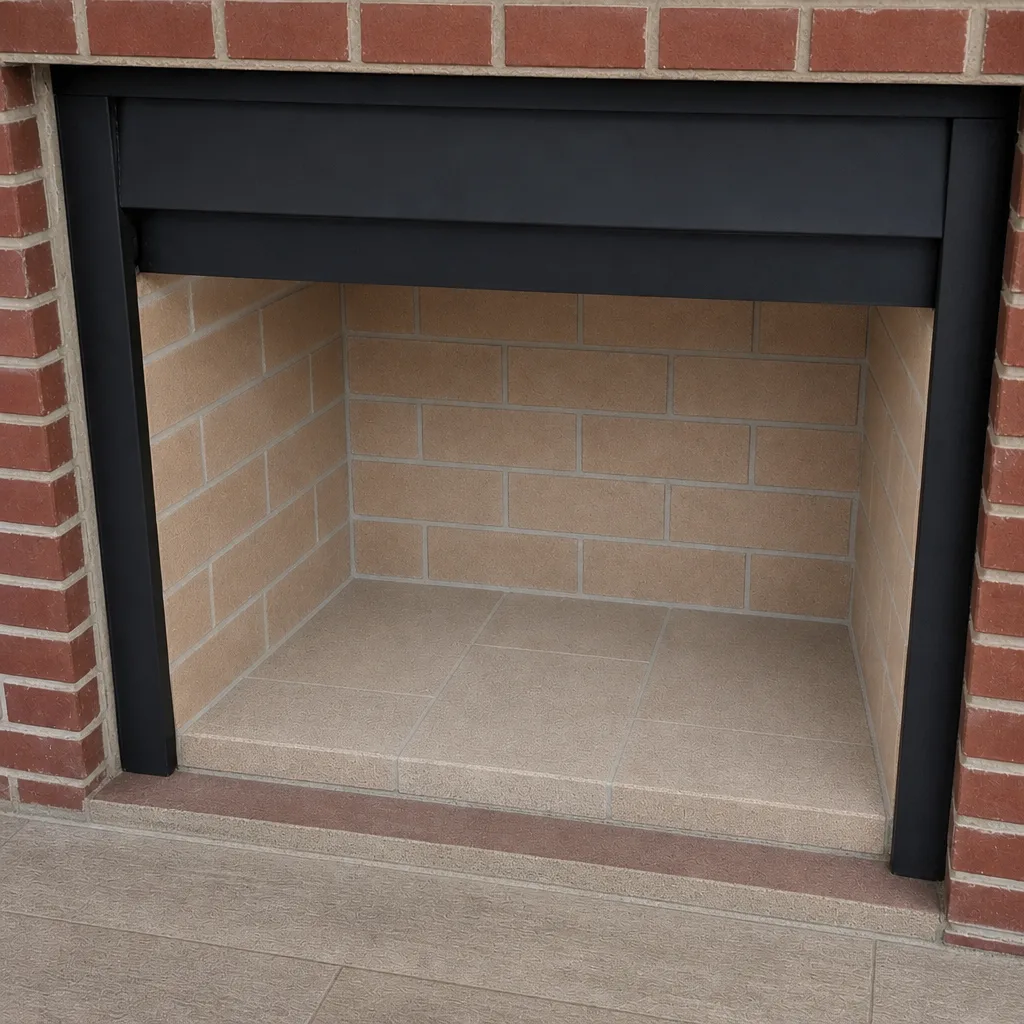 After
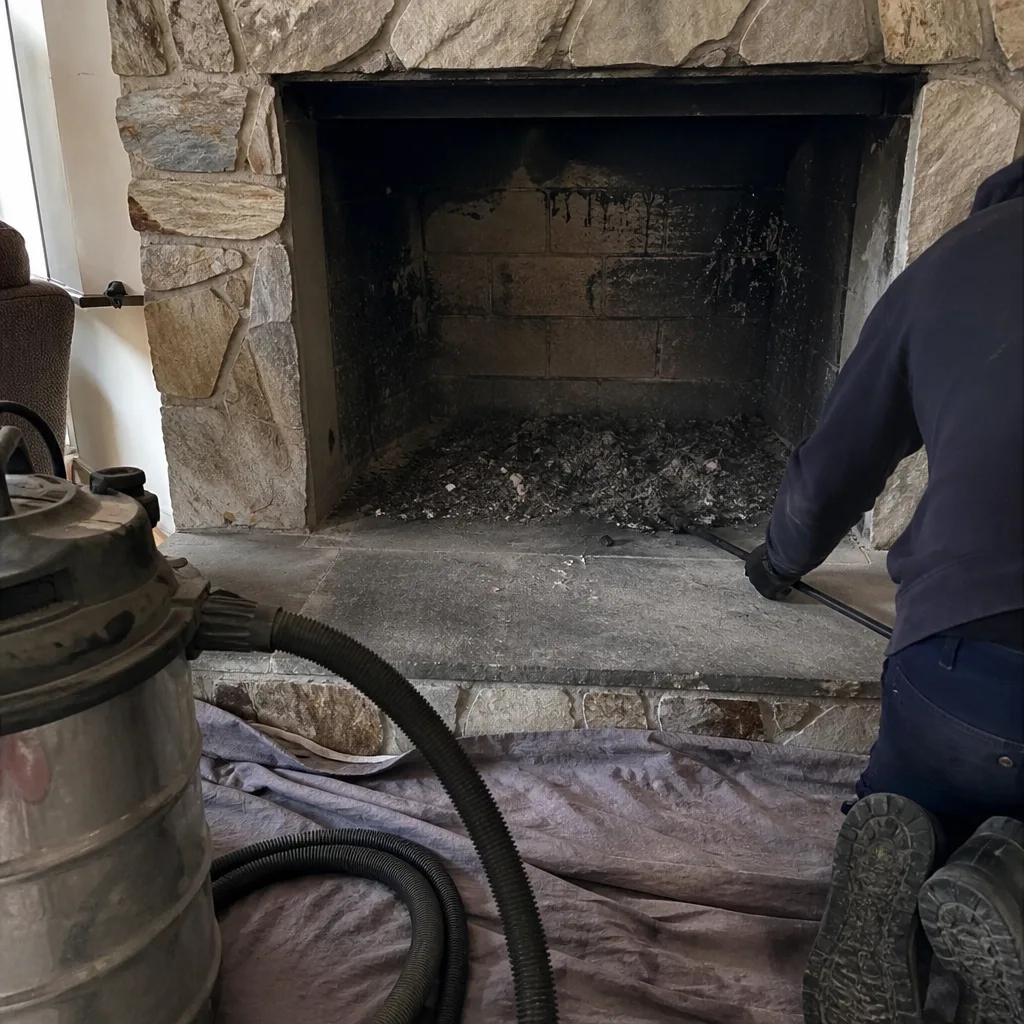 Before
 After
 Before
 After