
Last updated November 15, 2026
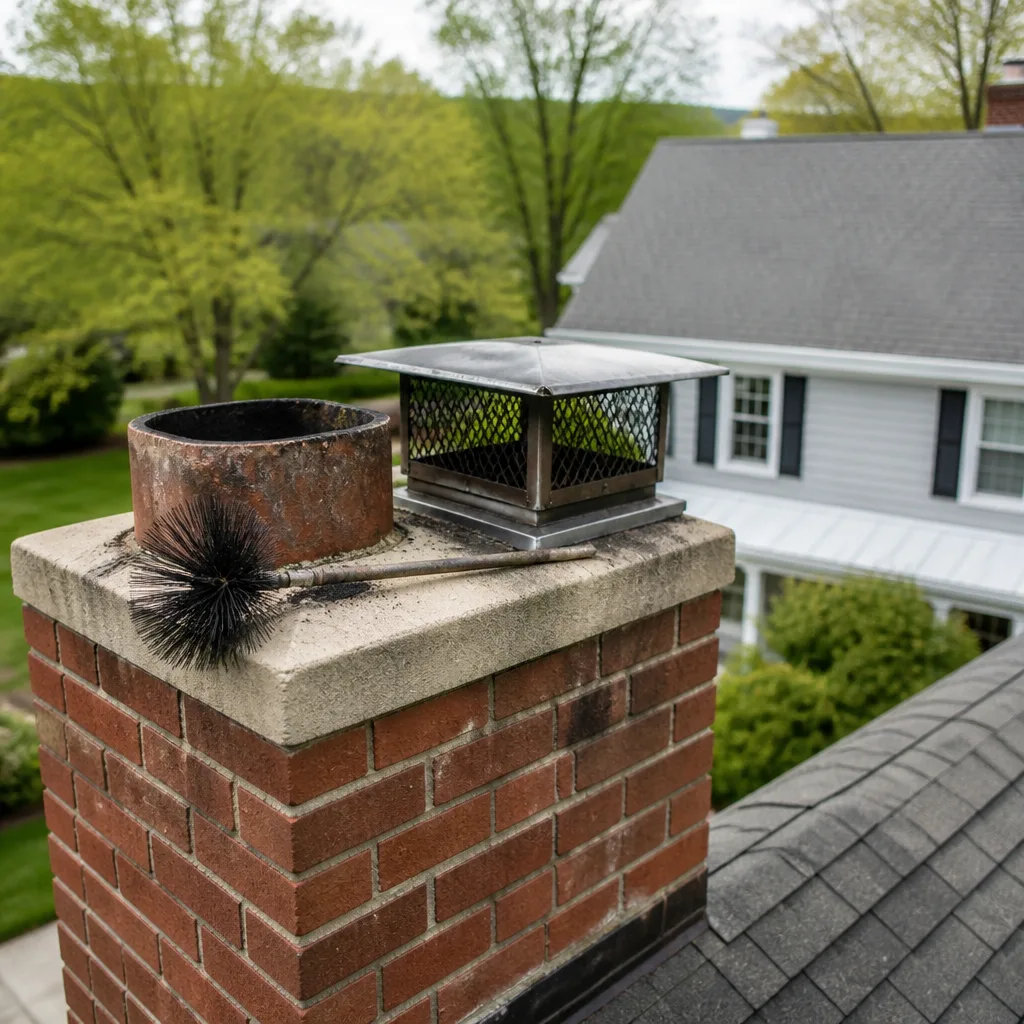 Sweep & inspection
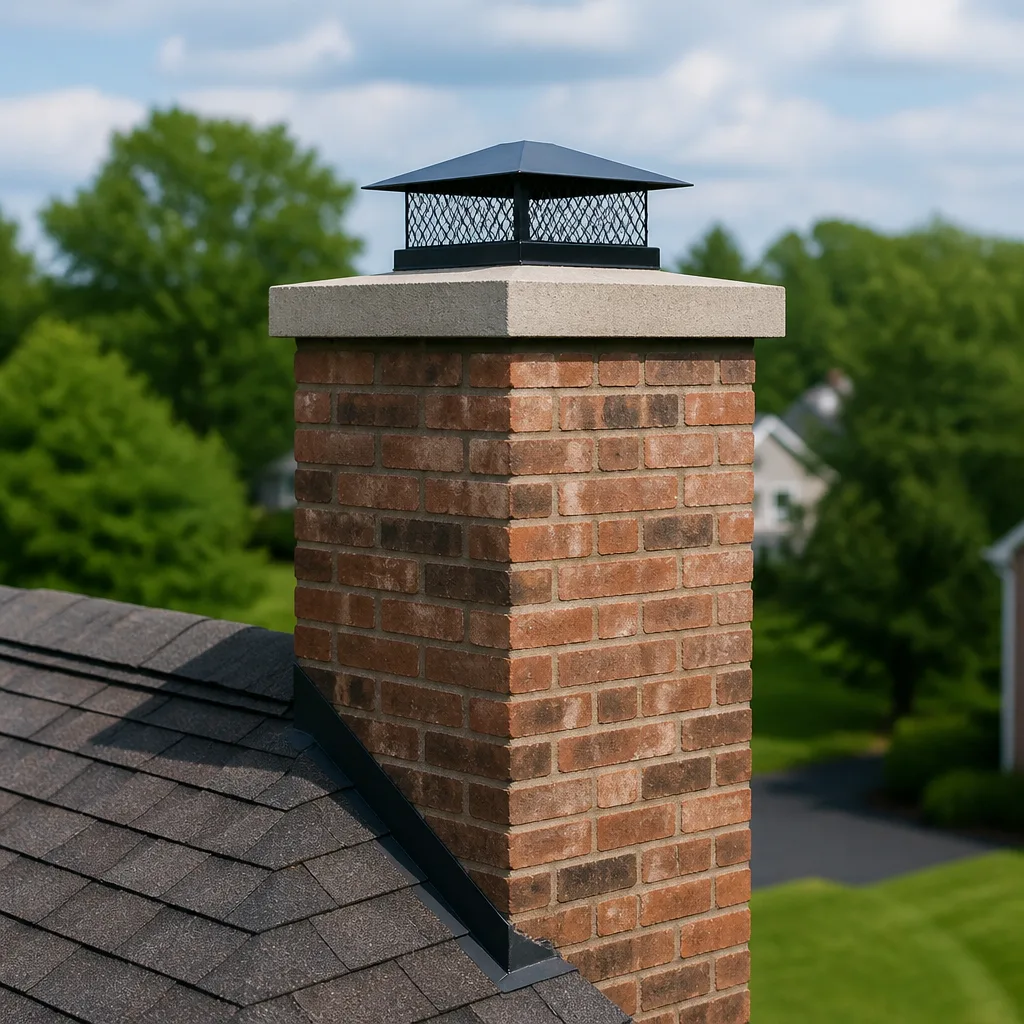 Caps & crowns
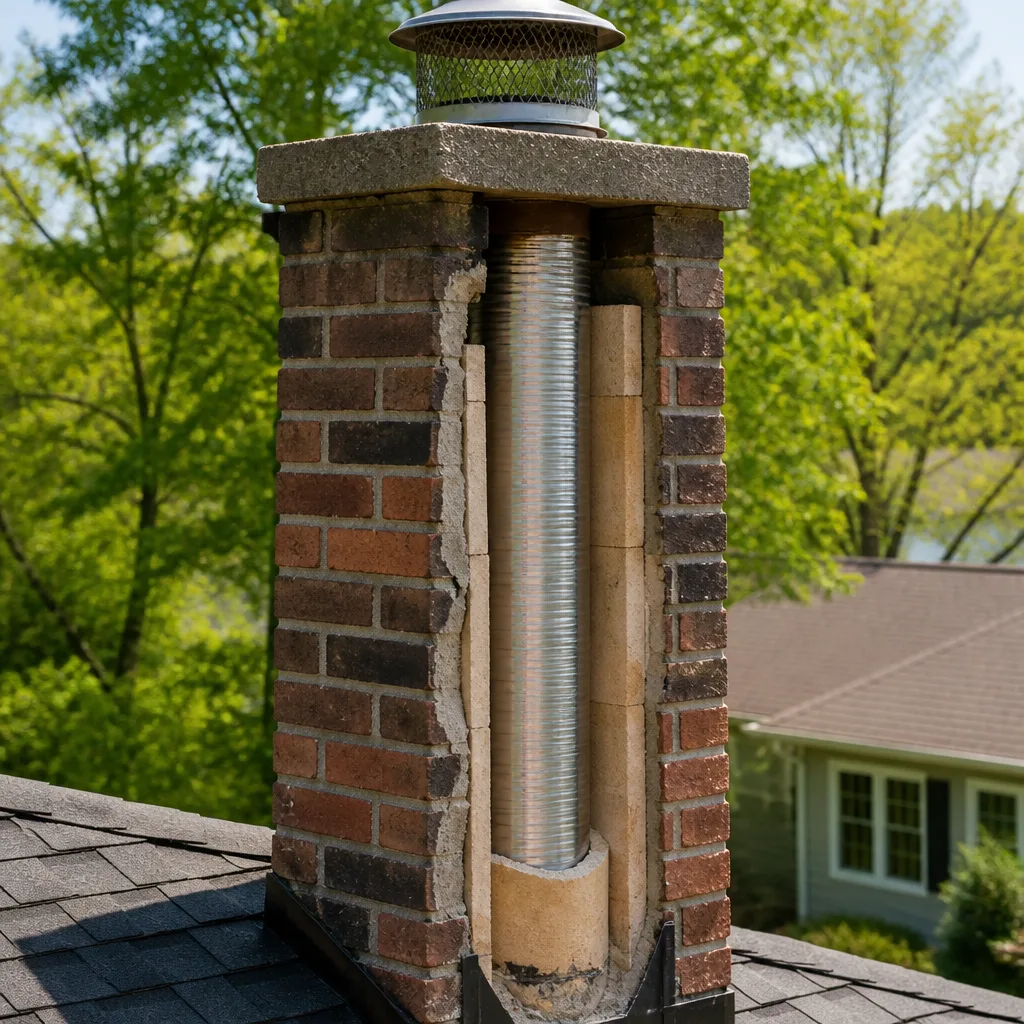 Flue relining
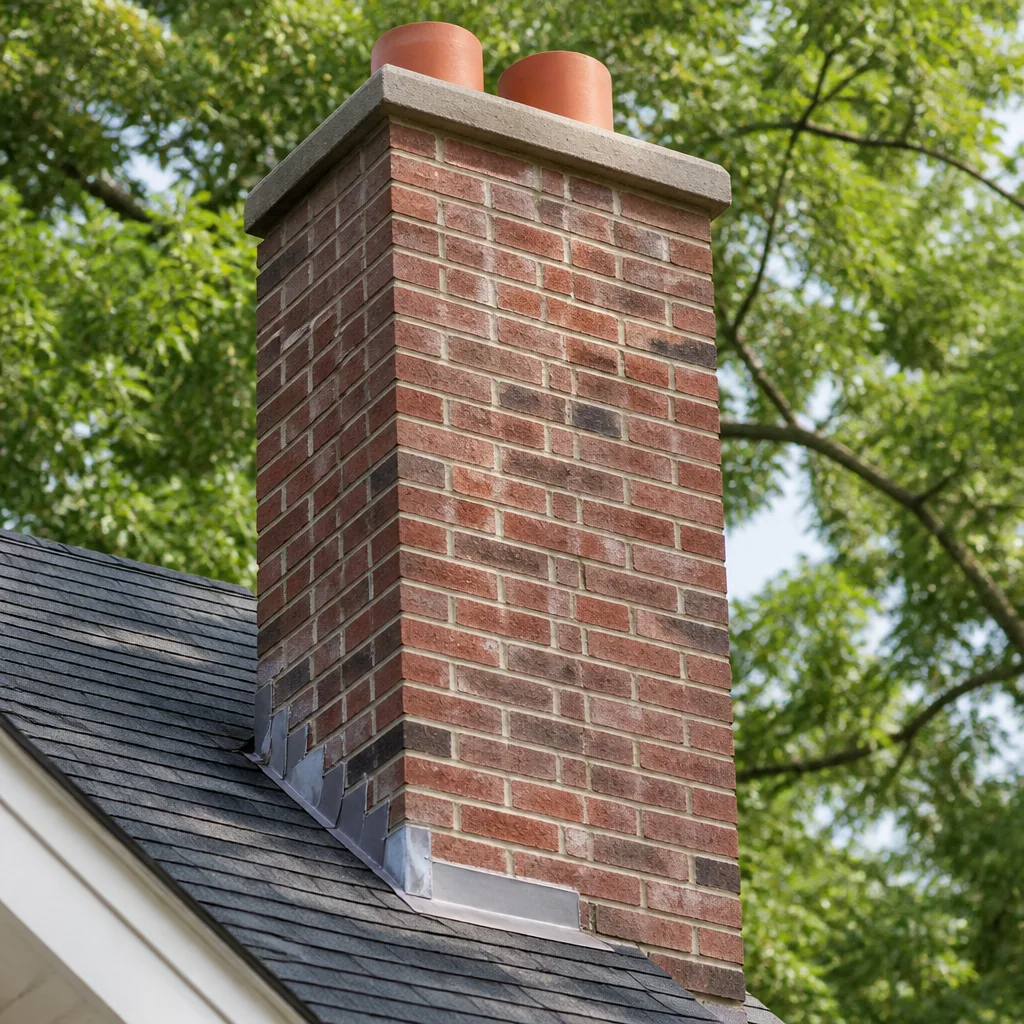 Masonry repair
 Gas fireplace service
Level 1 sweep and inspection to the NFPA 211 annual standard - flue, crown, cap, and flashing checked and photographed
Chimney sweep logs do not sweep chimneys. They loosen some creosote - which then falls where a brush and vacuum still have to collect it.
Chimney Cleaning Warning Signs: A Kent Homeowner’s Reference Guide
The acrid, oily smell that drifts into a Kent living room on a rainy November day usually isn’t a drafting quirk. It’s often stage-two creosote releasing vapors under negative pressure, and it’s one of the clearest pre-chimney-fire warnings homeowners walk past for an entire season. Most warning signs are visible or smellable long before anything dangerous develops. The trouble is knowing what you’re actually looking at, not just that something seems off. In this guide we’ll walk through the signals that matter, how to tell a harmless quirk from a real problem, and which findings mean stop using the fireplace today versus which can wait for a scheduled appointment.
Quick Answer
The main chimney cleaning warning signs are a strong oily or tar-like smell, dark glazed creosote on the firebox walls, smoke that keeps rolling back into the room, a sudden change in how the fire draws, and white staining or crumbling brick on the outside of the chimney. Any of these means the flue needs a professional look before the next fire. Two of them are urgent: glazed creosote and persistent backdraft after a blockage or liner problem.
Styles & brands we work with
- Sweep & inspection
- Caps & crowns
- Flue relining
- Masonry repair
- Gas fireplace service
Table of Contents
- What Creosote Buildup Actually Looks Like Inside Your Firebox
- Backdraft vs. a Real Drafting Problem
- Why a Sudden Change in Draw Matters
- Exterior Warning Signs You Can See From the Ground
- Smells, Stains, and What They Tell You
- Stop-Use Signs vs. Signs That Can Wait
- A Kent Seasonal Checklist
- Common Mistakes to Avoid
What Creosote Buildup Actually Looks Like Inside Your Firebox
Creosote moves through three recognizable stages, and knowing which one you’re seeing tells you how urgent the job is. Stage one is a light, flaky soot you can brush away. Stage three is a hard, shiny, tar-like glaze that has bonded to the flue walls and needs mechanical or chemical treatment to remove. The middle stage is where most people lose track, and it’s the one that quietly turns into a fire risk.
Open the firebox door and look up at the smoke chamber and the first stretch of flue. Standard soot is dry, gray, and powdery. Glazed creosote looks like dark glass or dried varnish. It’s glossy, often black or deep brown, and it won’t flake off with a brush. The visual difference is what sets urgency. Powdery soot can usually wait for a scheduled chimney sweep. Glaze means the fuel has been burning cool and wet, and the deposit is concentrated and combustible.
- Stage one soot: dry, flaky, easy to brush. Routine cleaning territory.
- Stage two: darker, crusty, sometimes shiny patches. Needs attention before the season gets busy.
- Stage three: hard, glazed, tar-like. This is the immediate concern.
Glaze tends to build fast on a flue that runs cold, which is common in Kent when homeowners burn unseasoned wood or throttle the air intake to make a fire last longer. If you see glossy black deposits, that’s the signal to stop and get an assessment. Removing glaze is a different job from a routine clean, and it’s one a sweep-only operator sometimes can’t finish. We specify professional-grade materials when a flue needs resurfacing after heavy glaze, including chimney repair work using HeatShield for the liners that can be restored without a full reline.
Backdraft on Windy Days vs. a Real Drafting Problem
Backdraft on a windy day is normal. Smoke that keeps rolling into the room regardless of the weather is not. That’s the distinction that matters most, because the two look similar from the couch and one of them is harmless.
Kent sits in the Green River valley, and the wind coming off the surrounding hills does occasionally push a puff of smoke down a chimney when a fire is just starting. That first cold, smoky minute before the flue warms up is expected. Once the fire has been burning steadily and the flue is hot, a properly functioning chimney should pull smoke up and out without fuss. If it doesn’t, the cause is usually one of a few things: a blockage like a bird nest or a collapsed liner, a cracked or separated flue tile, negative pressure from a tightly sealed house, or a flue that’s undersized for the appliance connected to it.
Here’s how to tell the difference:
- Check the weather. A single gust that causes a brief puff is normal. Smoke that rolls back on a still day is not.
- Wait for the flue to warm. Give the fire fifteen or twenty minutes. If the draw doesn’t improve, treat it as a problem.
- Look for a pattern. Every fire, every time, regardless of wind? That’s persistent backdraft, and it points at blockage or liner damage.
- Note any other triggers. Bathroom fans, kitchen exhaust, and a second fireplace can all pull air the wrong way in a tight house.
Persistent backdraft is a stop-use signal. Smoke carries creosote and carbon monoxide back into living space, and a damaged liner behind it can let heat reach framing. An inspection with a camera tells you exactly what’s going on inside the flue, and we show you the photo before we recommend any work.
Why a Sudden Change in Draw Matters
A fireplace that suddenly draws better, or worse, than it used to is telling you the flue has changed structurally. Neither direction is seasonal weather. Both are worth a professional look.
Stronger draw can feel like good news, and sometimes it’s just a colder day. But a draft that’s noticeably stronger than usual, especially after a repair or a chimney cap installation, can mean a gap has opened in the flue that’s pulling air from an unintended place, or that the liner has separated from the appliance connector. Weaker draw is the more common complaint, and it usually points at an obstruction, a falling piece of liner, or a buildup of glaze that has narrowed the flue.
What to check before you call:
- Is the damper fully open? Check it by hand.
- Is the chimney cap intact? A missing or damaged cap lets birds and debris in.
- Has anything changed about the appliance, the fuel, or how you’re burning?
- Is the cap screen clear of soot?
If none of that explains the change, it’s time for an inspection. We treat a draw change as an early signal because it’s cheap to diagnose and expensive to ignore. In our experience the change is usually traceable to a small structural issue that’s easier to fix early. A flue assessment can catch a cracked tile or a failing liner before it turns into a reline, and we check whether resurfacing with HeatShield can restore a compromised flue before we recommend a full DuraFlex liner installation. One company handles the sweep, the inspection, and the repair, so there’s no hand-off mid-project.
Exterior Warning Signs You Can See From the Ground
Some of the clearest warning signs are on the outside of the chimney, and you can spot them from the sidewalk without climbing a ladder. Efflorescence, spalling brick, and a cracked crown are all visible at eye level or with binoculars, and each tells you something different about what’s happening inside.
- Efflorescence: white, chalky staining on the brick. It means moisture has been moving through the masonry and leaving mineral salts behind as it dries. A patch or two is minor. Repeat staining that comes back after rain is a sign water is getting in somewhere it shouldn’t.
- Spalling brick: the face of the brick peeling, flaking, or popping off. That’s freeze-thaw damage, and it’s more serious than staining because the masonry is physically breaking down. Once spalling starts, it tends to spread.
- Crown cracking: the cement cap on top of the chimney is split. A cracked crown lets water run straight into the flue and into the house. Small hairline cracks can be sealed. A crown that’s crumbling or pulling away from the flue needs rebuilding.
- Rusted or loose flashing: the metal where the chimney meets the roof. Failed flashing is one of the most common causes of roof leaks around a chimney, and it’s easy to miss from inside.
- Missing cap or screen: an open flue is an invitation for birds, squirrels, and rain. A properly sized cap is a small job that prevents big ones.
We see all of these on chimneys across Kent, and Kent’s wet, mild winters are hard on masonry. Water is the quiet enemy. It gets in through a crack, freezes, expands, and opens the crack a little wider each cycle. That’s why the exterior tells you so much. If you’re seeing efflorescence or spalling, it’s worth having someone look at the whole system rather than just patching the symptom. For more on the town itself, see our Kent page.
Smells, Stains, and What They Tell You
Your nose is a legitimate diagnostic tool. A fireplace should smell like wood smoke when it’s burning and like nothing when it isn’t. A smell that lingers hours after the fire is out, or shows up on a damp day with no fire at all, is a signal.
The classic is the oily, acrid smell that appears on rainy, low-pressure days. That’s often stage-two creosote off-gassing. It happens because the creosote has absorbed moisture from the damp air, softened, and started to release vapors that then travel down the flue and into the house. It’s not a draft problem and it isn’t the wood. It’s the deposit telling you it’s there.
Other smells worth paying attention to:
- Smoky smell in rooms with no fireplace: smoke is escaping somewhere it shouldn’t. Check the chimney chase, attic, or upper floors.
- Musty, earthy smell: moisture is trapped. Look for water staining inside the firebox and around the damper.
- Gas smell with a gas insert: stop, ventilate, and treat it as a safety issue. Don’t operate the appliance.
- Creosote smell in spring: the deposit is heavy enough to be noticeable even when the fireplace is cold.
Stains matter as much as smells. A brown or black stain running down the outside face of the chimney usually means water is moving through the masonry and carrying soot or creosote with it. Staining on the ceiling or wall near the chimney is a red flag for a leak, and it’s the kind of thing that’s easy to ignore until the drywall gives way.
Stop-Use Signs vs. Signs That Can Wait
The most useful thing you can do with this guide is sort what you’re seeing into two piles: stop now, and schedule soon. Here’s how that breaks down.
Stop using the fireplace immediately if you notice:
- A fire in the flue itself, or a hot, roaring sound you can’t explain.
- Smoke backing into the room on a still day, every fire.
- A strong smell of gas with a gas log set or insert.
- Black, glazed creosote visible in the firebox or flue.
- Cracked or missing flue tiles seen during an inspection, with visible damage inside.
- Water actively coming into the house around the chimney.
Schedule an appointment soon (these can usually wait a short while) if you see:
- Powdery soot buildup ahead of your normal cleaning.
- Efflorescence or minor spalling on the outside.
- A small crack in the crown.
- A missing cap screen.
- A slight change in draw that isn’t persistent.
We don’t tell everyone they need work. A chimney that’s overdue for a clean is different from one with a structural problem, and we say so. The cost of a sweep and the cost of a reline are a long way apart, which is why the inspection comes before the recommendation. When the interior of your flue is assessed with a camera, the photo shows you whether a simple clean is all it needs or whether a repair is in order, and the written estimate sets the number.
A Kent Seasonal Checklist
Kent’s climate drives the burn season and the risks that go with it. Cool, wet falls, a long rainy stretch through the winter, and a mild spring mean the fireplace gets a real workout from October through March. Here’s a simple checklist to run through as the season turns.
- Early fall, before the first fire: have the flue inspected and swept. This is the best time to catch a missing cap, a cracked crown, or a problem the summer left behind.
- Every fire: burn seasoned wood, keep the damper open, and don’t throttle the air so low the fire smolders. Smoldering fires are the main cause of creosote buildup.
- Monthly through the season: glance up at the firebox walls. Look for new glaze, and check that the cap screen is clear.
- After a heavy rain or wind event: walk outside and look at the chimney. Check for new staining, spalling, or a damaged cap.
- Late spring, after the last fire: do a final sweep so creosote doesn’t sit all summer and absorb moisture. Also check the damper and cap before the rain comes back.
Our sweep-and-inspection service is built around this rhythm, and we’re the same company whether the job is a routine clean, a Chimney Sweep Kent standard, or a repair that calls for a DuraFlex liner. Our technicians have up to experience with these systems, and the products we install are the same brands trusted across the chimney industry.
Common Mistakes to Avoid
- Assuming a single puff of smoke means a blocked flue. A quick backdraft on a windy start is normal. It’s the persistent backdraft you need to act on.
- Confusing dark soot with glazed creosote. Powdery soot is routine. Glossy, tar-like glaze is not. The look matters, not the amount.
- Patching a cracked crown without finding the source of the water. A patch that seals the crack while the leak persists just hides the evidence.
- Burning unseasoned or wet wood to save money. Green wood cools the fire and lays down creosote faster than dry wood does. You’ll pay for the savings at the next inspection.
- Waiting for the smell before booking the sweep. A strong creosote smell is the point at which the deposit is already substantial.
- Skipping the pre-season look because you cleaned last year. A year is a long time in a chimney. A cap that went missing over summer lets you know it at inspection, not when the first fire smokes back.
- Treating the outside of the chimney as cosmetic. Staining and spalling on Kent masonry are early warning signs, not just how an older chimney looks.
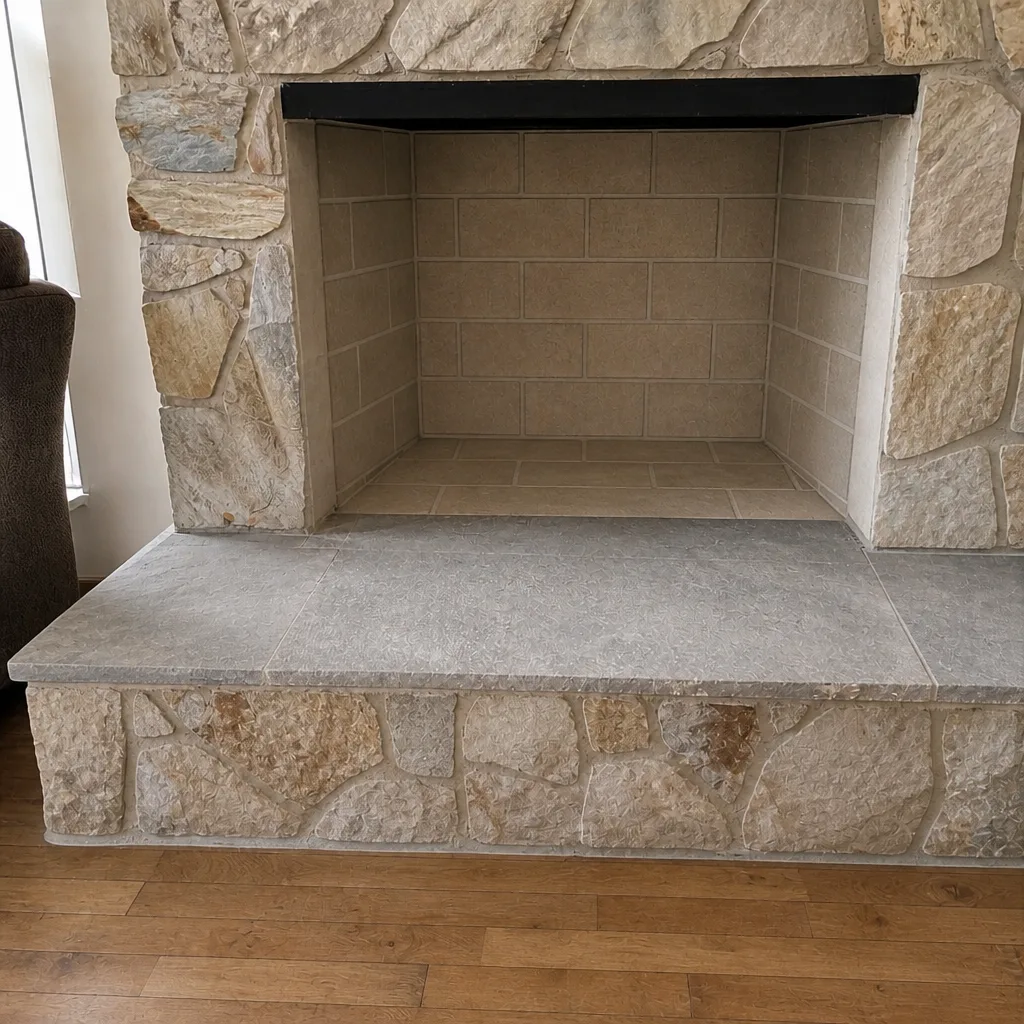
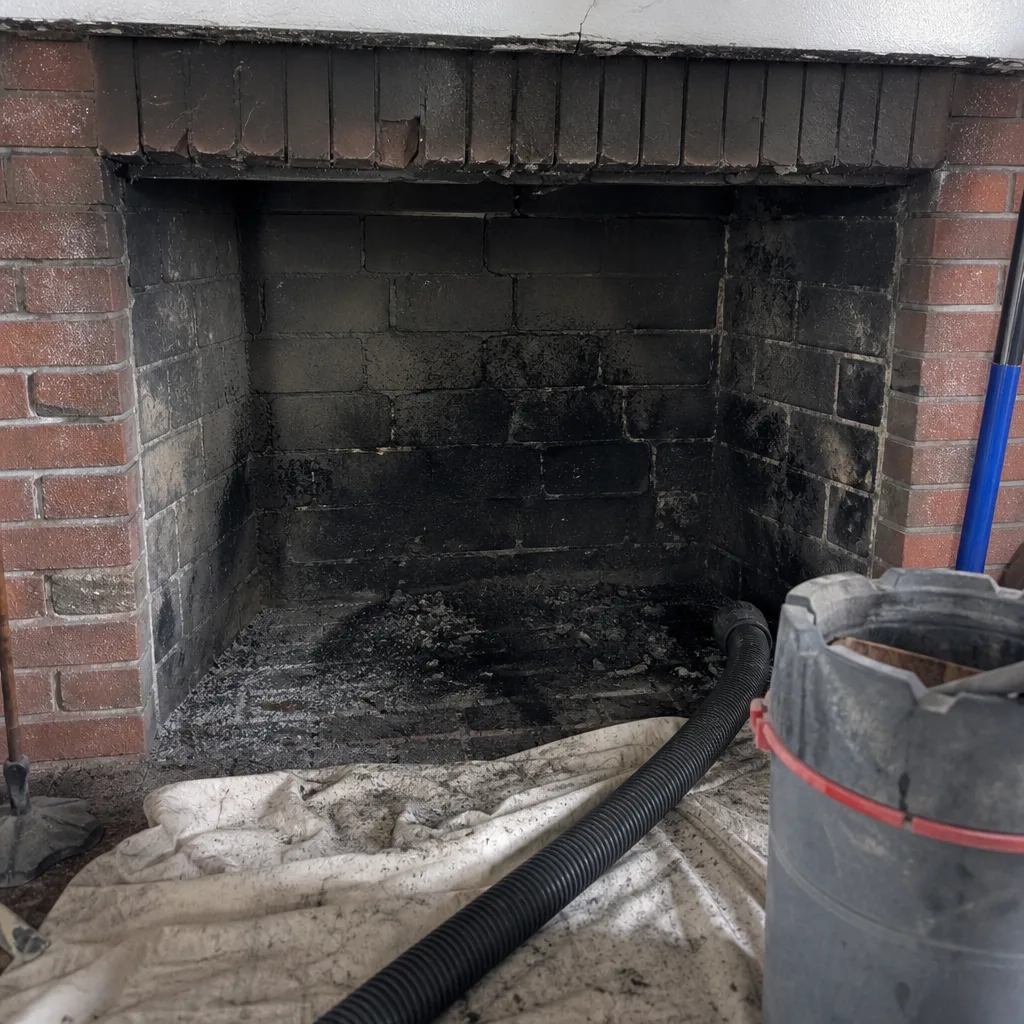
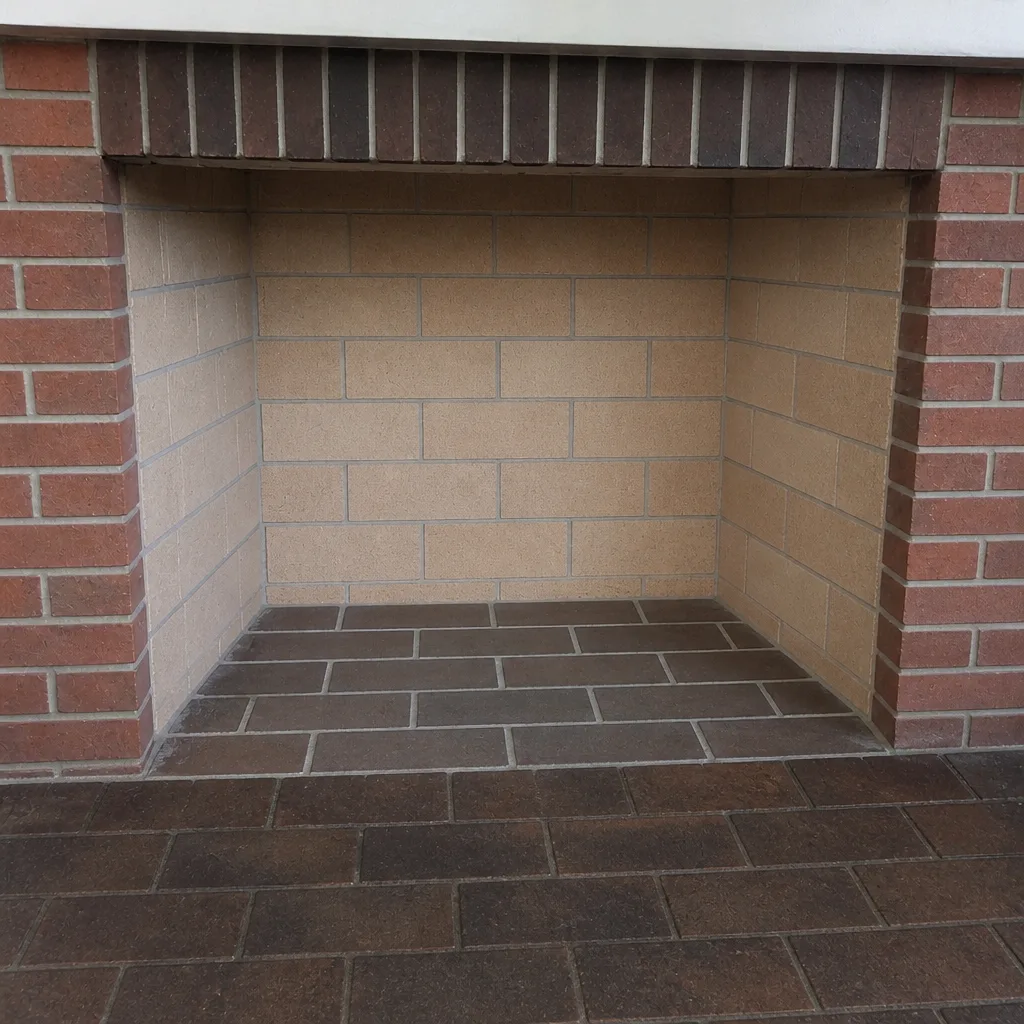
See the difference
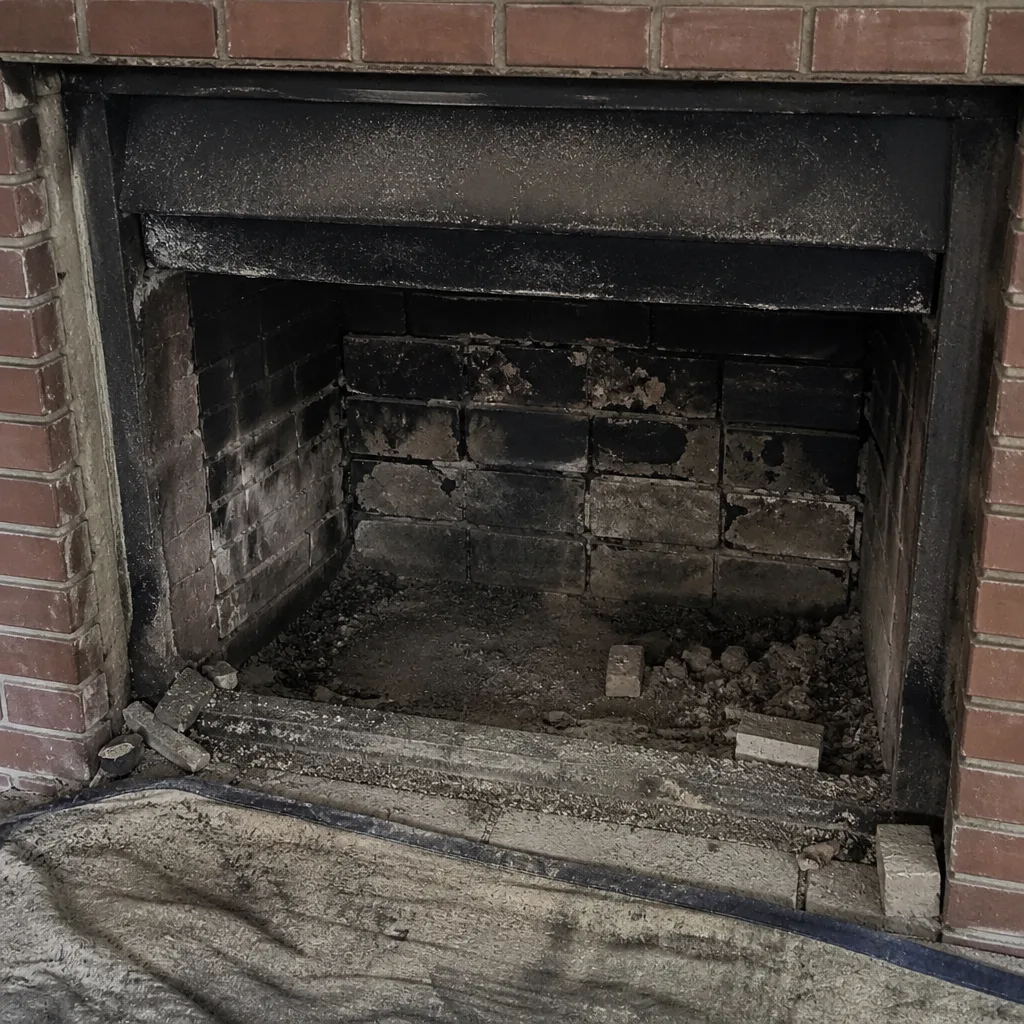 Before
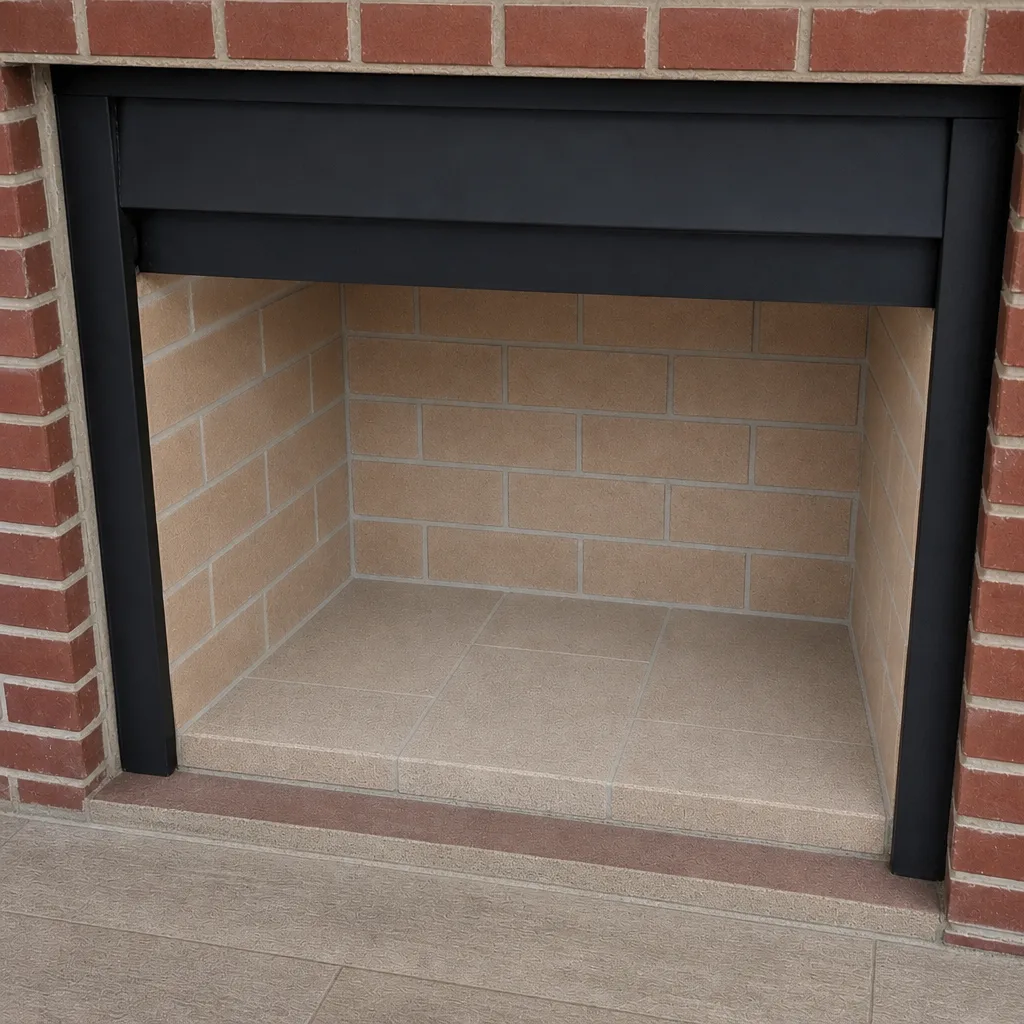 After
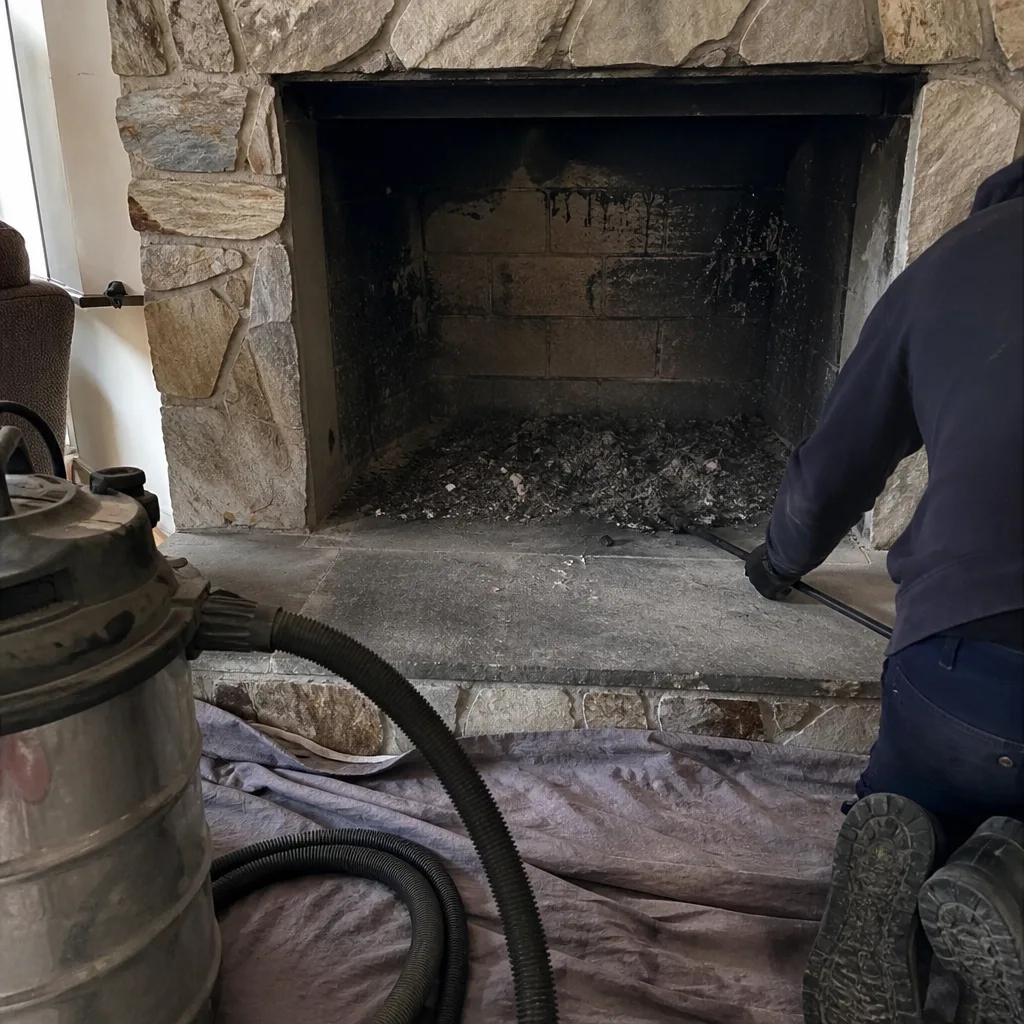 Before
 After
 Before
 After
When to Call a Professional
Call when any of the stop-use signs appear, when the draw changes and doesn’t settle, when you see glazed creosote or persistent backdraft, or when the outside of the chimney starts staining or spalling. Call before buying a house with a wood-burning fireplace, and call after a storm. Also call if it’s simply been a year and you haven’t had a proper sweep. We show you photos, explain what we find in plain language, and lay out your options so you can decide. Chimney Sweep Kent offers free estimates in Kent and the surrounding area, and we’ll tell you when work can safely wait. Call (866) 942-7714. We answer 24/7. Fast dispatch from 7am to 7pm, Sunday through Friday.
Frequently Asked Questions
Most fireplaces that see regular use through the burn season should be swept once a year, usually in the fall before the first fire. If you burn a lot, or if the wood is unseasoned, a mid-season look is worth it. An annual inspection catches the issues a sweep alone won’t. Call (866) 942-7714 for an exact quote – estimates are free.
Glazed creosote is dark, shiny, and tar-like, and it’s bonded to the flue so it won’t brush off. It’s urgent because it’s concentrated fuel sitting right where a hot flue can ignite it. If you see gloss on the firebox walls, stop burning and have it assessed. Call (866) 942-7714 for peace of mind on what you’re looking at.
A brief puff when a fire is just starting on a windy day is normal. Persistent backdraft after the flue has warmed up is not. That points at a blockage, a cracked liner, or negative pressure in a tight house, and it needs an inspection. Call (866) 942-7714 – estimates are free.
White, chalky staining is usually efflorescence, which means moisture has been moving through the masonry and leaving salts behind. A small patch is minor. Staining that returns after rain points at a leak somewhere in the system. Call (866) 942-7714 to have it looked at.
It depends on the problem. Glazed creosote, persistent backdraft, a gas smell, or visible flue damage mean stop and don’t burn until it’s assessed. Minor soot, a missing cap screen, or an early crack in the crown can usually wait for a scheduled appointment. Call (866) 942-7714 and we’ll tell you which category you’re in.
Yes, if it’s been a year or more. Even occasional fires lay down creosote, and a flue that isn’t regularly cleaned can develop a problem you won’t see from the room. Sweep cost is much lower than repair cost. Call (866) 942-7714 for a free estimate.
The Bottom Line
Chimney warning signs are mostly visible and smellable long before they’re dangerous, but only if you know what you’re looking at. Glazed, glossy creosote is a stop-use signal. Persistent backdraft points at blockage or liner damage. A sudden change in draw means the flue has changed structurally. White staining and spalling brick on the outside are early warnings about water and masonry. And the simple rule is this: get an inspection, look at the photos, and let the evidence drive the decision. A sweep can wait in some cases, a repair can’t. We handle sweep, repair, and inspection under one roof in Kent.
Written by the team at Chimney Sweep Kent.